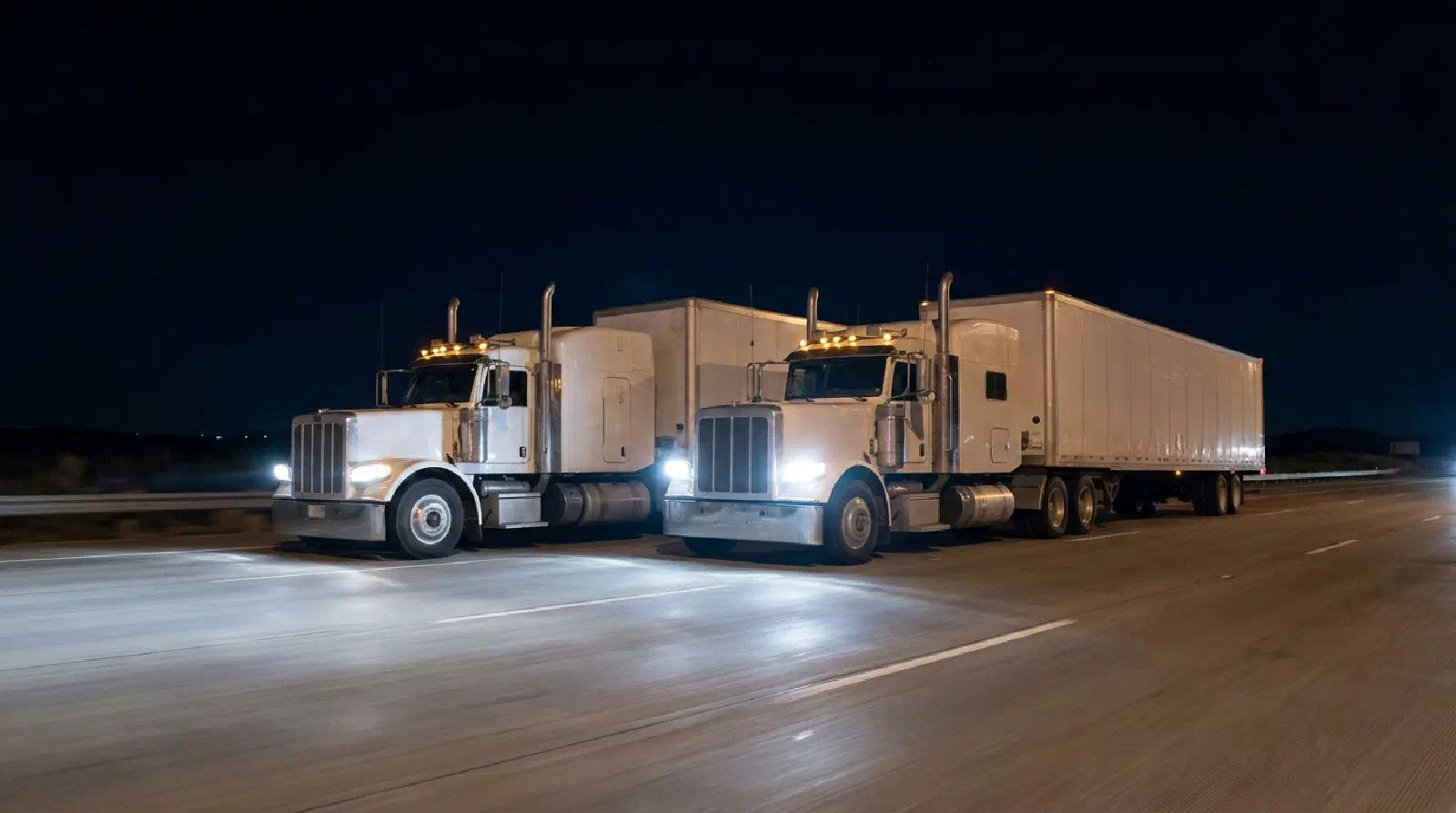
Expedited Freight Shipping: When to Use It
There are moments in every supply chain when standard shipping is not fast enough and the cost of being late is higher than the cost of moving faster. That is exactly what expedited freight shipping is built for. Whether you are dealing with a production line waiting on a critical part, a retail deadline that cannot slip, or a shipment that got delayed upstream and needs to recover time, expedited freight is the tool that keeps your operation moving when the normal network cannot.
What Is Expedited Freight Shipping?
Expedited freight is a shipping service where cargo receives priority treatment throughout the transportation process. Unlike standard freight, which may sit at terminals, get consolidated with other shipments, or travel indirect routes, expedited freight moves directly from origin to destination with minimal delays.
The core difference is elimination of stops. Standard LTL shipping routes freight through carrier terminals where it is unloaded, sorted, reloaded, and moved again. Expedited freight skips that entirely. Your cargo gets on a dedicated vehicle or an air carrier and moves point to point without touching a terminal.
Expedited freight operates on-demand, often requiring special handling and faster delivery, with direct routing, no multiple stops or cargo transfers, and 24/7 tracking so you can monitor your shipment’s location in real time.
How Expedited Freight Works
Once you request expedited service, the process moves fast. The system tags the order as expedited, triggering priority workflows. A specialized rate engine calculates costs in real time, pulling in dedicated ground or team driver options. Once a rate is approved, the booking is confirmed, often within minutes, and dedicated equipment is assigned.
From there, the freight moves. No waiting for a consolidation window. No relay through a regional terminal. Just direct, committed transit from pickup to delivery.
Expedited Freight Options Explained
Not all expedited shipping looks the same. The right option depends on your freight size, distance, and how fast it needs to arrive.
Team drivers.
When a full truckload shipment needs to move quickly, team drivers are often the best solution. Two drivers take turns at the wheel, so the truck never stops moving during federally mandated hours of service breaks. Since team drivers can cover 1,000 or more miles within 24 hours, this allows for twice the progress compared to a single driver. This is the most common expedited option for large, long-haul freight.
Dedicated single driver.
A single driver in a 53-foot truck moves your freight without sharing trailer space with other shippers. Faster than standard full truckload due to priority booking and direct routing, though subject to normal hours of service limits.
Straight truck or sprinter van.
For smaller urgent shipments, a straight box truck or sprinter van can often cover regional lanes same-day or next-day. These are ideal for parts, samples, or small volume time-sensitive loads that do not justify a full 53-foot trailer.
Air freight.
Air expedited is the fastest option for domestic and international shipments, delivering cargo across the country in hours or internationally in one to three days. It is ideal for high-value, lightweight, or extremely urgent shipments. It is also the most expensive option and is best reserved for situations where nothing else will work.
What Does Expedited Freight Cost?
Expedited freight shipping costs more than standard service. How much more depends on the mode, the distance, and how quickly you need it covered.
Expedited rates in 2026 run $2.50 to $5.00 per mile for cargo vans and straight trucks, and $3.00 to $7.00 per mile for tractor-trailers, compared to standard dry van rates of $2.30 to $2.80 per mile.
Team drivers add approximately $0.50 per mile plus a $500 flat fee on top of base rates. True emergency freight that must ship immediately can cost 50 to 100% more than standard rates.
Timing matters enormously. If you plan and book two weeks in advance, a shipment might cost around $1,800. If you wait until the night before pickup, that same shipment could surge to between $3,500 and $5,000 depending on truck availability and demand.
The practical takeaway is this: expedited freight is significantly cheaper when you plan for it than when you scramble for it. Building expedited into your contingency process rather than treating it as a last resort is where the savings are.
When Does Expedited Freight Make Sense?
The decision usually comes down to one question. Is the cost of being late higher than the cost of moving faster? When the answer is yes, expedited freight is the right call.
Production line emergencies.
When an auto assembly plant needs a critical part and every minute of downtime costs tens of thousands of dollars, the cost of expedited freight becomes irrelevant compared to the cost of the delay. Manufacturing shippers use expedited to get plants back online when a component fails or a shipment misses its window.
Retail compliance deadlines.
Large retailers enforce strict delivery windows. A missed appointment can mean chargebacks, refused loads, or lost shelf placement. Expedited and guaranteed service protects those windows when standard transit is at risk.
Service recovery.
When an LTL shipment gets delayed in transit and a delivery commitment is in jeopardy, expedited freight can pull the load and recover the time. It is often faster and less costly than the downstream consequences of a missed delivery.
Temperature-sensitive freight under time pressure.
When temperature-controlled shipments are at risk of spoilage or compliance failure due to a delay, expedited movement protects both the product and the relationship with the receiver.
High-value or low-volume urgent shipments.
When the freight value is high and the volume is small, the premium for expedited is often a small fraction of the asset at risk.
When Expedited Freight Is Not the Right Answer
Expedited shipping is a powerful tool, but it is not always the right one. Expedited shipping is used when delivery windows are tight or the cost of delay is high. For standard lanes with flexible timing, the premium rarely justifies the cost.
If your operation is consistently relying on expedited freight to meet normal delivery commitments, that is a signal that something upstream in your planning or carrier network needs attention, not a reason to keep paying the premium. A managed transportation partner can help identify where those gaps are before they become emergencies.
FAQ
What is expedited freight shipping?
Expedited freight shipping is a service that moves cargo directly from origin to destination with no terminal stops, consolidated loads, or indirect routing. It prioritizes speed over cost and is used when standard transit times are too slow for the delivery window required.
How much does expedited freight shipping cost?
Expedited freight typically costs 30 to 100% more than standard shipping. In 2026, rates run $2.50 to $5.00 per mile for vans and straight trucks and $3.00 to $7.00 per mile for tractor-trailers. Booking in advance significantly reduces the cost compared to same-day or next-day emergency requests.
What is the difference between expedited freight and standard LTL?
Standard LTL freight moves through a network of carrier terminals where it is unloaded, sorted, and reloaded multiple times before reaching its destination. Expedited freight moves point to point on a dedicated vehicle with no terminal handling, which eliminates delays and reduces transit time to one to three days on most domestic lanes.
When should a shipper use expedited freight?
Expedited freight makes sense when the cost of a late delivery exceeds the premium for faster service. Common scenarios include production line emergencies, retail compliance deadlines, service recovery on delayed LTL shipments, and time-sensitive temperature-controlled freight.
What equipment options are available for expedited freight?
The main options are team drivers in a 53-foot truck for large long-haul freight, dedicated single-driver trucks for direct regional moves, straight trucks or sprinter vans for smaller urgent shipments, and air freight for the most time-critical or international needs.
Is expedited freight available for temperature-controlled shipments?
Yes. Expedited service is available for temperature-controlled freight when a shipment is at risk of spoilage or compliance failure due to a transit delay. HighQ Logistics coordinates expedited temperature-controlled moves through its vetted carrier network.
How far in advance should I book expedited freight?
Booking two weeks in advance can reduce the cost significantly compared to same-day or next-day requests. Emergency bookings are available but typically cost 50 to 100% more than planned expedited moves due to limited carrier availability at short notice.
Final Takeaway
Expedited freight shipping exists for the moments when the normal network is not enough. Used reactively, it is expensive. Used strategically, with the right partner and a clear understanding of when it is warranted, it protects your operation, your customers, and your margins when timing matters most.
At HighQ Logistics, our expedited and guaranteed shipping service is available when you need it, with the carrier relationships to move quickly and the communication to keep you informed every step of the way. If you have a time-sensitive shipment or want to talk through a contingency plan for your freight, get in touch with the HighQ Logistics team and we will find a solution.