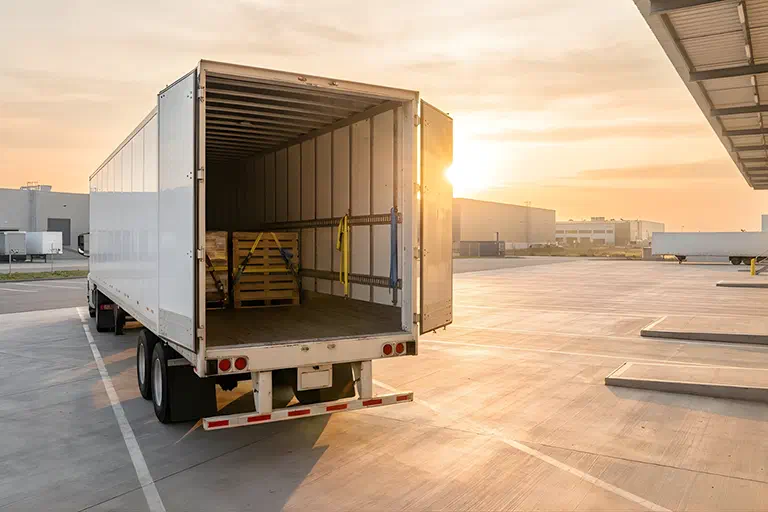
A photo of pallets loaded inside a dry van trailer.

Commercial LTL freight shipping

Less Than Truckload Freight Quotes and LTL Shipping Support

Compare LTL carrier options and partial load shipping companies to find the right fit for your freight - then get support with freight class, accessorials, transit times, and shipment visibility from pickup through delivery.

How LTL Quotes Work

Get a Freight Quote

LTL Pricing Factors

See what drives your quote and how to avoid common surprises.

Specialized LTL Services

Explore guaranteed, expedited, liftgate, and other service options.

Contact Us

Have questions about freight class, timing, or quoting?

Origin

Destination

Shipment Description

Quote-focused LTL support

HighQ helps shippers quote, book, and manage LTL freight with fewer surprises.

Less-than-truckload shipping works best when your freight is too large for parcel but does not need a full trailer. HighQ helps you compare carrier options, verify shipment details before booking, and stay ahead of pricing, service, and billing issues that commonly affect LTL moves.

Trusted by companies ranging from small businesses to Fortune 500 enterprises, HighQ gives you a person on the phone when something goes wrong, not a ticket number.
Quote Support Built Around Real Shipment Data
HighQ helps gather the shipment details that matter most to an LTL quote, including lane, pallet dimensions, freight class, weight, and accessorial requirements before you book.
Carrier Options Matched to Rate and Transit Goals
Compare national and regional carrier options with transit expectations, service levels, and routing fit so you can choose based on cost, timing, or a balance of both.
Help Prevent Reclass and Accessorial Surprises
We help shippers plan for common invoice drivers like liftgate needs, limited access, residential delivery, and freight class issues before the shipment tenders to the carrier.
Visibility from Booking Through Delivery
HighQ supports document generation, tracking updates, and follow-through from pickup to proof of delivery so smaller shipments move with more control and less administrative drag.

Specialized LTL Services

HighQ supports standard and specialized LTL freight programs for shippers that need more than a basic dock-to-dock move.
Photo of a U.S. map with shipment location markers.
Guaranteed LTL

Firm delivery commitments for freight that cannot slip.
Expedited LTL

Faster service options when standard LTL transit time is not enough.
Liftgate and Limited-Access Support

Planning support for locations without standard dock access.
Temperature-Controlled and Event Freight

Service coordination for reefer LTL and time-sensitive venue deliveries.

How LTL quoting works

Getting an LTL quote starts with complete shipment details.

The more accurate the shipment data is before booking, the more useful the quote will be. HighQ helps shippers line up the details that most often affect rate, routing, and invoice accuracy.
Origin and destination lane
ZIP codes and lane details influence carrier availability, service consistency, and how the move is priced.
Weight, dimensions, and pallet count
LTL carriers rate around the shipment profile, so total weight and per-pallet dimensions need to be right before tender.
Freight class confirmation
Freight class can materially change the rate. HighQ helps shippers review commodity and density details before booking when classification is unclear.
Accessorial planning
Liftgate needs, inside delivery, residential destinations, appointments, and limited-access locations should all be called out up front.
Carrier selection and booking
Once the shipment details are solid, HighQ helps compare carriers by rate, service level, and transit expectations before generating the Bill of Lading and tracking the move.
Bill of Lading generation and accuracy
Once shipment details are confirmed, HighQ generates the Bill of Lading with all carrier requirements - commodity description, class, weight, dimensions, origin, destination, and service requirements. Accuracy here prevents invoice disputes, accessorial surprises, and delivery issues downstream.

What affects your quote

Six factors usually drive an LTL rate.

Quote-intent searches usually come from shippers trying to understand why one LTL shipment prices differently than another. These are the factors that most commonly shape the final number.
Freight class
Class reflects density, handling, stowability, and liability. Incorrect class is one of the biggest causes of re-bills.
Weight and density
Heavier and denser freight is usually more efficient to move than lightweight freight that takes up more trailer space.
Lane and distance
Freight moving between major markets often has stronger carrier coverage than rural or lower-density lanes.
Fuel surcharge
Fuel usually sits outside the base line-haul rate and can change with carrier programs and broader market conditions.
Accessorial requirements
Services beyond standard dock-to-dock handling often add cost and should be reflected in the quote before dispatch.
Timing and seasonality
Capacity shifts, seasonal demand, and last-minute bookings can influence both rate and carrier choice on the same lane.

When LTL shipping makes sense

LTL is usually the right mode when a shipment is too large for parcel but does not justify dedicated truckload capacity.
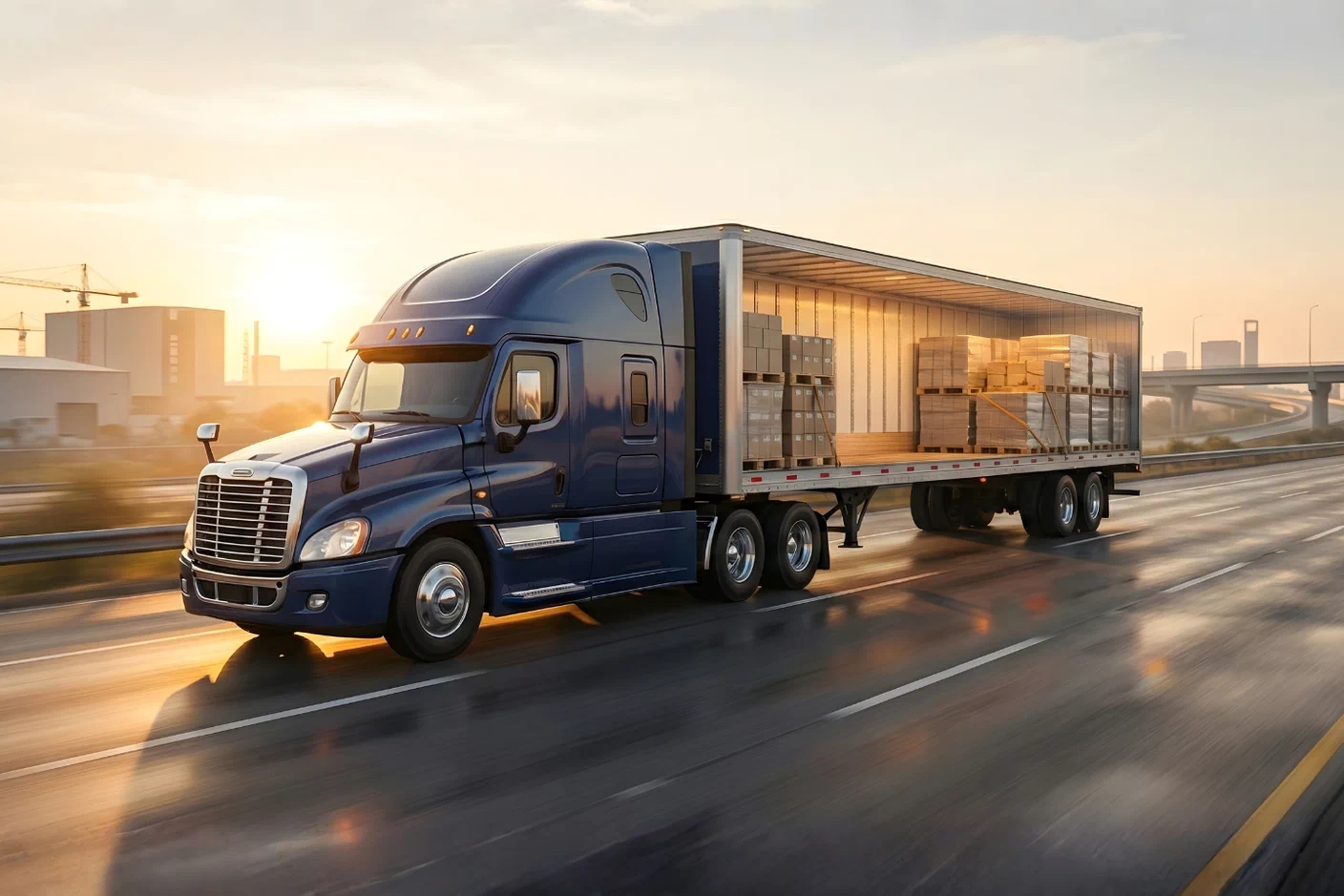
Photo of a truck moving palletized freight.
E-commerce brands shipping customer orders

You are fulfilling 15 to 20 orders per week across the country, but no single shipment fills a trailer. LTL consolidates multiple pallets into one move without paying for empty space, with predictable two to four day regional transit times.
Regional manufacturers with distributed customers

You produce eight to 10 pallets weekly and ship to three or four different states. LTL lets each regional batch move on its own schedule, keeping inventory flowing without the cost penalty of dedicated equipment.
Seasonal retailers managing peak inventory

During Q4, you ship 40 to 50 pallets per week; come January, that drops to five to 10. LTL scales with demand so you are never locked into minimum volumes or paying for unused capacity.
Wholesale distributors with mixed-commodity shipments

You are sending a mix of products to one customer, with some pallets of one item and a few of another. LTL moves the exact quantity needed when needed, without waiting to consolidate or managing partial FTL complexity.

LTL freight FAQ

What is less than truckload freight shipping?
LTL shipping is used when a shipment does not need a dedicated trailer. Multiple shippers share trailer space, and each shipper pays for the portion of capacity their freight uses.
How do I get a less than truckload freight quote?
To quote LTL accurately, you typically need origin and destination ZIP codes, total weight, pallet dimensions, freight class, and any special service requirements. HighQ can help review those details before you book.
What affects my LTL rate the most?
Freight class, density, weight, lane, distance, fuel surcharge, and accessorial requirements usually drive the quote. Inaccurate class or incomplete delivery details are two of the most common causes of price changes after tender.
What is a standard LTL transit time by lane?
Regional lanes often move in one to two business days, mid-range lanes in two to three business days, and cross-country freight in four to five business days, though service levels and carrier routing can change that range.
How do I determine the right freight class for my shipment?
Freight class is based on density, handling, stowability, and liability. Shippers usually need dimensions, weight, and commodity details to classify a shipment correctly and avoid reclass charges.
What accessorial charges should I expect?
Common accessorials include liftgate service, residential delivery, inside delivery, limited access, appointment delivery, redelivery, and detention. These charges depend on the shipment and location and should be declared before booking whenever possible.
Can I track my LTL shipment in real time?
HighQ provides shipment visibility and tracking support from pickup through final delivery so shippers can follow the move and respond faster if a service issue appears during transit.
What is the difference between a freight broker and a carrier for LTL?
A carrier operates the equipment and physically moves the freight. A freight broker works across a network of carriers, helping compare options, secure rates, manage documentation, and support execution through one point of contact.
When should I choose LTL instead of full truckload?
LTL is often a better fit when the shipment is too large for parcel but too small to justify dedicated trailer capacity. Once a shipment grows into higher pallet counts or heavier weight, a partial or full truckload comparison can make more sense.
Why does the Bill of Lading matter on an LTL shipment?
The Bill of Lading documents the shipment description, class, weight, dimensions, origin, destination, and service requirements. Errors on the BOL are a common cause of invoice disputes, accessorial charges, and delivery issues.
A photograph of a semi truck driving through the desert.

Need better LTL execution?

Get help with pricing, freight class, and carrier fit

HighQ helps shippers compare carrier options, review shipment details, and manage accessorial, tracking, and billing concerns before they turn into delivery surprises.