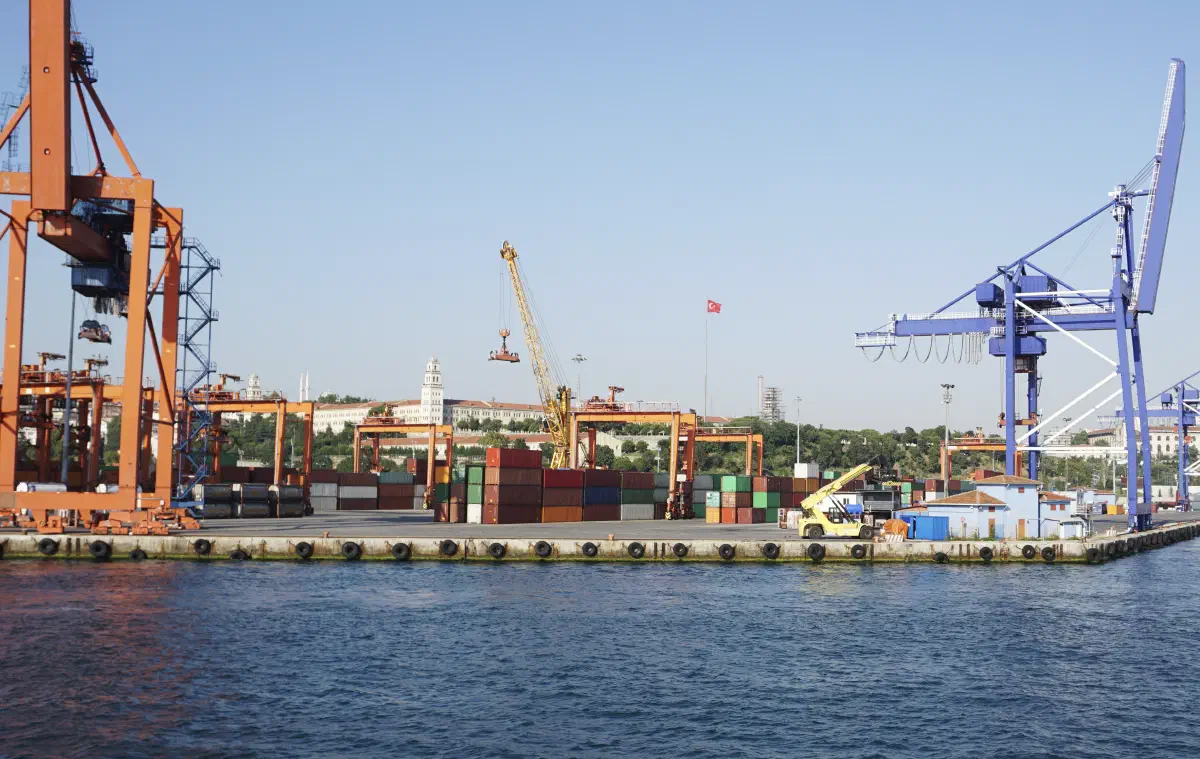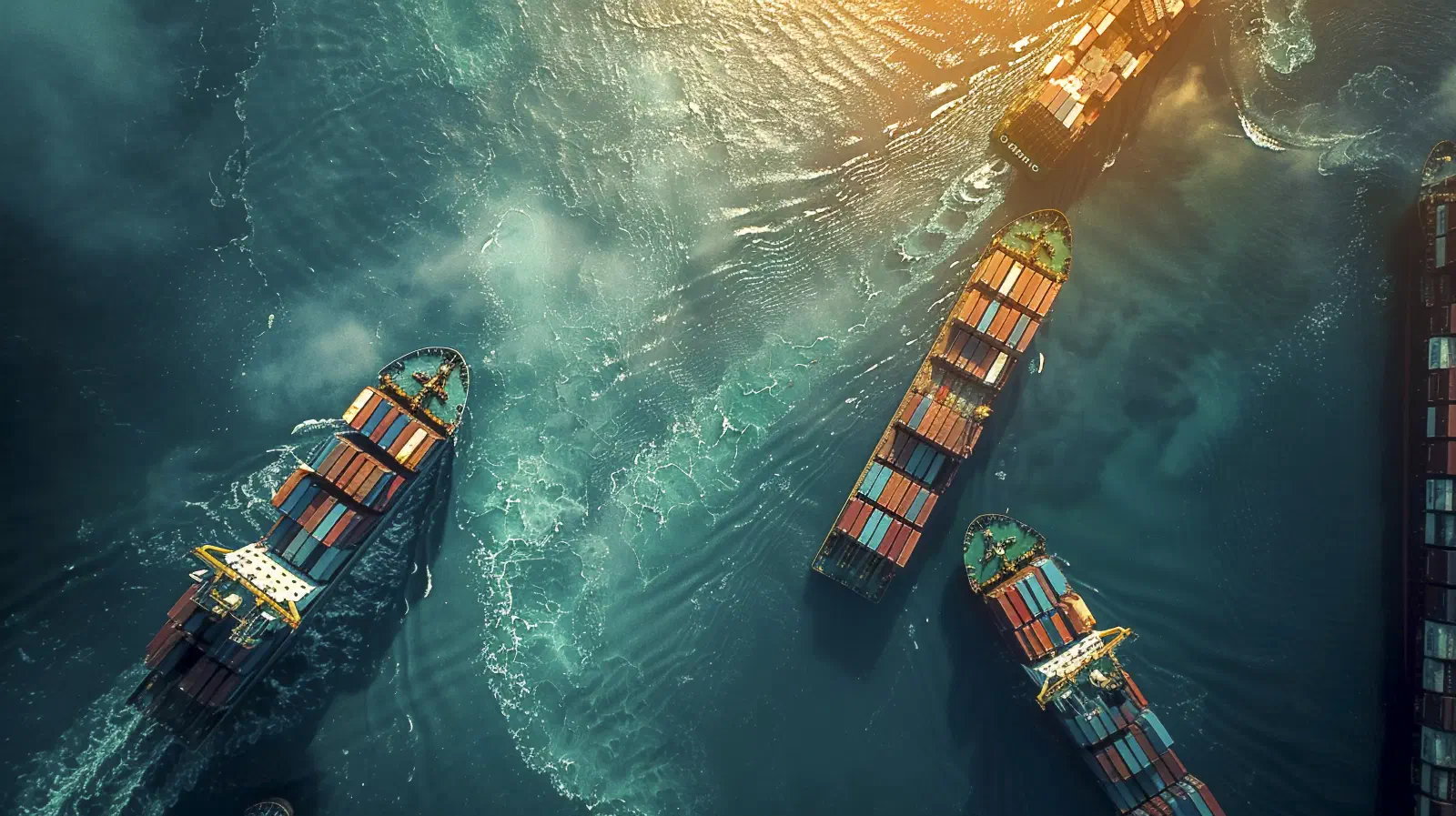
Port congestion is now absorbing approximately 12 percent of global vessel capacity, the highest figure in four years. That is not a minor disruption. One in eight ships in the global fleet is effectively sitting idle, waiting for a berth, waiting to discharge, or waiting for a pilot. The consequences are flowing through to transit times, rates, and reliability on every major trade lane.
How Bad Is It?
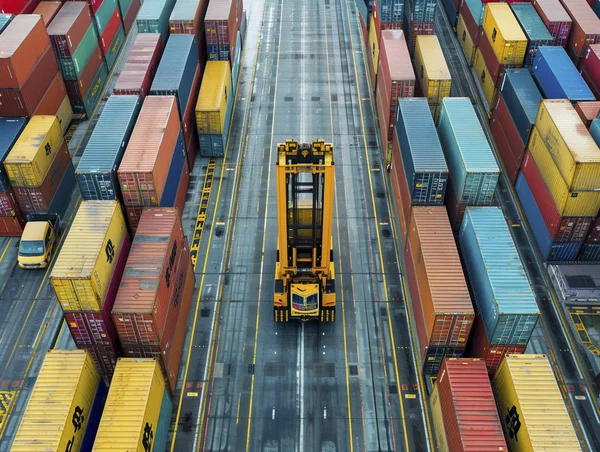
To put 12 percent in context: at the height of the post-COVID port crisis in late 2021 and 2022, global congestion was absorbing roughly 13 to 14 percent of capacity. The current figure is approaching that level, and it is arriving during a peak shipping season that was already under pressure.
Golden Week blank sailings reduced effective capacity through mid-October, meaning the vessels that would normally be working were deliberately withheld from service. That reduced capacity meets a market where demand has been persistently strong, driven by front-loading ahead of tariff uncertainty, holiday inventory builds, and the kind of supply chain behavior shippers have adopted after several years of disruption.
Spot rate data for the week of October 20 shows Far East to U.S. West Coast rates at $2,138 per FEU, up 38 percent year over year, and Far East to U.S. East Coast at $3,038 per FEU, up 23 percent. The U.S. East Coast is staying tighter than the West Coast, consistent with the congestion pattern and the continued weight of East Coast import demand.
Panama Canal: The Draft Reduction That Did Not Happen
One piece of news that has not received enough attention: the Panama Canal Authority cancelled its planned October 1 draft reduction for Neopanamax vessels. That reduction had been expected to limit vessel capacity through the canal and was closely watched by shippers routing cargo to U.S. East and Gulf Coast ports.
The cancellation is good news for capacity, but it comes with context. Daily transits through the Panama Canal fell from 34 to 32 on September 15, 2026, as the Authority tightened management of water levels. The situation is stable relative to the severe drought restrictions of 2023 and 2024, but it has not returned to full pre-drought throughput.
For importers routing through the Port of New York and New Jersey, Panama Canal capacity remains a relevant variable. Most East Coast volume transits the canal, and even modest reductions in daily transits affect scheduling and vessel positioning across the entire East Coast port system.
India to North America: A Constrained Lane Through Mid-October
The India to North America trade lane is running constrained through at least mid-to-late October. Importers with shipments originating in India, particularly those in textiles, pharmaceuticals, and manufacturing components, should expect tighter capacity and potentially higher rates on this corridor until conditions ease.
What This Means for U.S. Importers This Week
When 12 percent of vessel capacity is absorbed by congestion, the effective supply of available shipping space is significantly tighter than the headline fleet size suggests. Here is what that means in practice:
Transit times are stretching.
Vessels waiting outside congested ports add days or weeks to actual delivery schedules. Importers should reconfirm current ETAs with their carriers.
Rate volatility is elevated.
Spot rates move quickly when congestion is high. Shippers without fixed contracts are most exposed.
Drayage planning matters more.
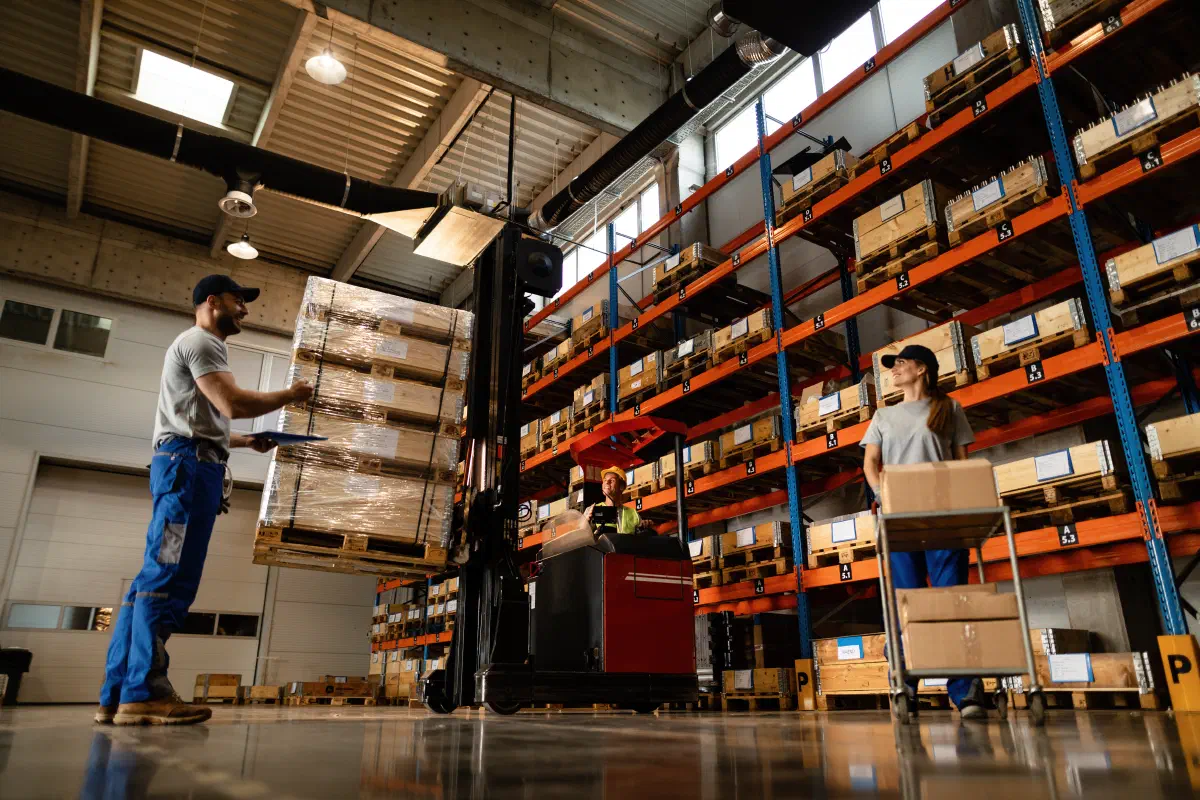
When vessels arrive late and bunched, drayage demand at the port compresses into shorter windows. Pre-booking drayage and communicating vessel ETAs early reduces demurrage and detention risk.
Customs bond coverage needs a review.
Higher freight costs and tariff changes both affect continuous bond requirements. If you have not reviewed your customs bond recently, now is a good time.
The November 9 Vessel Fee Deadline Adds Another Layer
On top of active congestion, shippers face the November 9 expiration of the USTR’s suspension of Section 301 maritime fees on Chinese-built and Chinese-operated vessels. If those fees resume, they will arrive during a period when capacity is already under pressure and rates are already elevated. We have covered this in detail in our companion post this week, and every importer using the trans-Pacific trade lane should read it before the deadline.
HighQ Is Monitoring the Market Daily
At HighQ Logistics, we track these conditions week by week to give our clients the clearest possible picture of what the market is doing. If you want to review your routing, rate exposure, or peak season strategy, reach out to our team today.
Port congestion is absorbing 12 percent of global vessel capacity, approaching the severity of the 2021 and 2022 port crisis. Golden Week blank sailings, Panama Canal transit reductions, and persistent demand from front-loading and holiday inventory builds are all driving the situation. U.S. East Coast spot rates are up significantly year over year, and the November 9 vessel fee deadline adds a policy-driven cost layer on top of market-driven rate pressure. Shippers should reconfirm ETAs, pre-book drayage, and review their customs bond coverage now.
Frequently Asked Questions
How bad is global port congestion right now?
As of October 2026, port congestion is absorbing approximately 12 percent of global vessel capacity, the highest level in four years, approaching the severity of the post-COVID port crisis in 2021 and 2022.
What is causing the current wave of port congestion?
Multiple drivers: Golden Week blank sailings reduced capacity through mid-October; strong demand from pre-tariff front-loading and holiday inventory builds; and persistent tightness on key corridors including the U.S. East Coast.
What happened with the Panama Canal draft reduction in October 2026?
The Panama Canal Authority cancelled a planned October 1 draft reduction for Neopanamax vessels. However, daily transits fell from 34 to 32 on September 15, 2026, meaning the canal is still below full pre-drought throughput.
How does port congestion affect shipping rates?
When vessels wait for berths, effective fleet capacity shrinks and spot rates rise. Far East to U.S. West Coast spot rates are up 38 percent year over year and Far East to U.S. East Coast up 23 percent for the week of October 20.
What should importers do when port congestion is high?
Reconfirm vessel ETAs, pre-book drayage early, review customs bond coverage, and monitor spot rate movements closely.