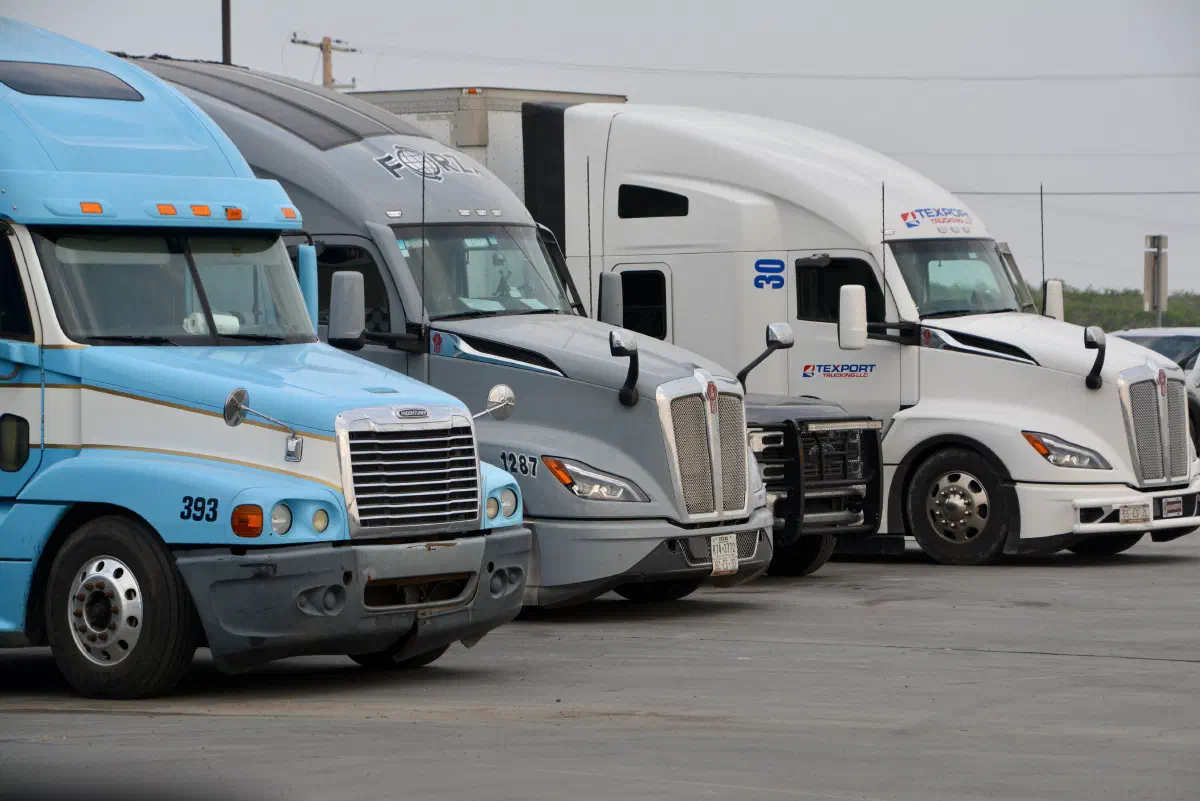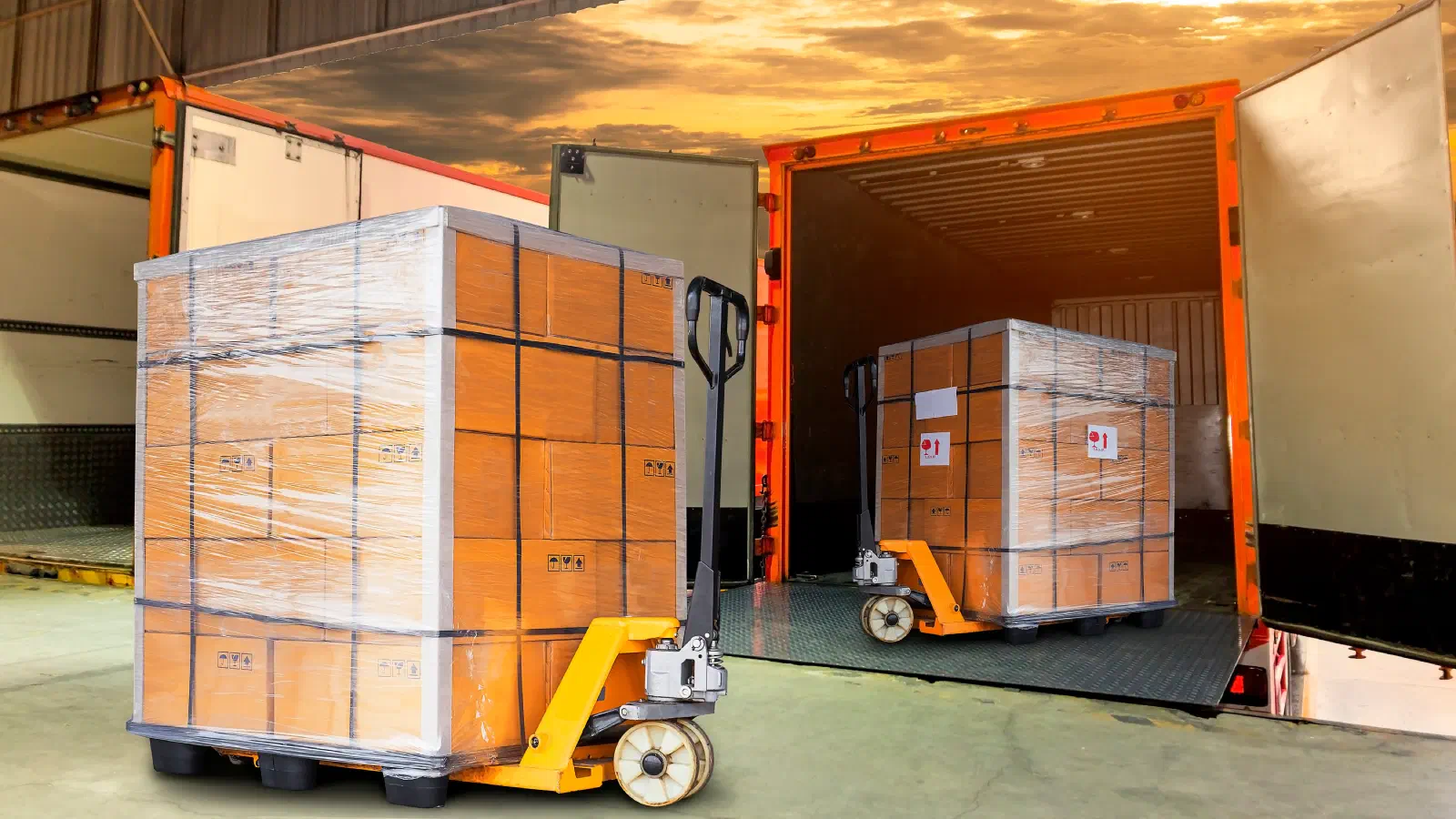
For domestic shippers who move freight in less-than-truckload quantities, the old planning assumption, that a general rate increase would arrive once a year in the first quarter, no longer holds. In 2026, three of the largest LTL carriers in the country issued general rate increases, and each one came earlier in the calendar than the previous year’s. The pattern is not a coincidence. It reflects a structural shift in how LTL carriers manage pricing, and it has real implications for how shippers should approach their freight budgets.
The 2026 LTL Rate Increase Timeline
The timeline of LTL general rate increases in 2026 tells the story clearly. Saia issued a 7.1 percent general rate increase effective July 6, which was 120 basis points higher and three months earlier than their prior year’s increase. ArcBest issued a 5.9 percent general rate increase effective June 22, approximately six weeks before the one-year mark of their previous increase. Old Dominion issued a 4.9 percent general rate increase effective October 5, announced on September 21, one month earlier than the prior year, which had itself been moved up a month from the year before.
FreightWaves noted in reporting on the Old Dominion announcement that LTL general rate increases are no longer just annual events. That framing captures something important: the cadence that shippers built their planning assumptions around, a single annual adjustment at a predictable time of year, has shifted. Carriers are now moving faster, moving earlier, and in some cases moving more than once within a twelve-month window.
Why LTL Carriers Are Accelerating Their Rate Increases
The shift is not arbitrary. LTL carriers operate complex networks with high fixed costs, and those costs have been rising. Labor costs, including driver wages and dock wages, have increased substantially over the past several years. Equipment costs are higher. Fuel remains a significant operating expense, with diesel prices running well above historical averages. Insurance costs for carriers have also risen materially, driven in part by an increasingly difficult commercial trucking insurance market.
At the same time, the LTL market has been consolidating. Larger, well-capitalized carriers have the pricing power to push rates, and the competitive dynamics that historically kept increases modest have changed. When the three largest national LTL carriers all issue rate increases in the same calendar year, smaller regional carriers typically follow. The result is a market where rate pressure is broad-based, not limited to a single carrier relationship.
The carriers who are issuing these increases are also, generally, performing well. Old Dominion and Saia have consistently posted strong operating ratios and have continued investing in network capacity. They are not raising rates from a position of financial distress. They are raising rates because the market allows it and because their cost structures require it to sustain the service quality that justifies their position in the market.
What This Means for Shipper Budgets
The practical impact for domestic shippers is that LTL freight costs are going up, on a faster and less predictable schedule than they were five years ago. A shipper who built their 2026 freight budget on the assumption of a single 4 to 5 percent LTL rate increase, timed to the first quarter, may have already absorbed two to three rate adjustments from different carriers across the year, each layering on top of the last.
The compounding effect matters. A 5.9 percent increase from one carrier and a 7.1 percent increase from another in the same calendar year, applied to the lanes those carriers handle, represent a meaningful budget variance if they were not anticipated. Shippers who manage LTL spend across multiple carriers need to track each carrier’s rate adjustment calendar separately and model the full-year cost impact, not just the headline percentage of a single increase.
The other budget consideration is the fuel surcharge. LTL carriers apply fuel surcharges as a percentage of the base rate, which means that when the base rate increases, the fuel surcharge component increases proportionally. With diesel prices running significantly above historical averages, the combination of a higher base rate and a larger surcharge compounds the total cost increase in ways that are easy to underestimate from the headline GRI percentage alone.
How to Approach LTL Contract Negotiations Now
The freight budget conversation has to start earlier than it used to. If your LTL contracts or rate agreements are set for annual renegotiation in the first quarter, the current environment suggests moving that conversation forward. Carriers who are issuing increases in June and July are telling you something about when they expect rates to rise, and a contract negotiated in October or November is a contract you are locking in before the next round of increases takes effect.
Volume commitment is the most useful leverage a shipper has in LTL negotiations. Carriers value predictable, consistent volumes on the lanes they run efficiently. A shipper who can provide accurate weekly volume forecasts by lane, and commit to those volumes, is in a different negotiating position than one who ships variably with no advance visibility. The more a carrier can plan around your freight, the more willing they are to hold rates.
Lane-by-lane analysis is also worth doing before entering negotiations. Not all of your LTL spend sits on lanes where you have alternatives. On lanes where your primary carrier is also the most efficient option, you have less leverage, and the right strategy is different from lanes where multiple carriers compete for the freight. Understanding which lanes are competitive and which are not shapes how you prioritize the negotiation.
Planning Ahead for 2027
The pattern established in 2026 should inform how shippers plan for 2027. If carriers are moving their rate increases earlier each year, planning on a single annual adjustment in Q1 is already an outdated model. Building a freight budget that accounts for the possibility of mid-year rate adjustments from one or more LTL partners is a more realistic approach than assuming costs will be stable for twelve months after a contract renewal.
The shippers who are best positioned are those who stay close to carrier announcements, model the impact of rate changes when they are announced rather than after the invoices arrive, and renegotiate proactively rather than reactively. In an environment where freight costs are moving faster and less predictably, staying ahead of the rate calendar is a competitive advantage, not just good housekeeping.
LTL general rate increases in 2026 came earlier, more frequently, and from more carriers simultaneously than the planning assumptions most shippers were working from. The trend is confirmed and documented, and there is no reason to expect it to reverse in 2027. Shippers who adjust their budget planning to reflect the new reality, building in multiple potential rate adjustment windows, negotiating contracts earlier, and tracking carrier-by-carrier cost impacts, will be in a better position than those who keep expecting the old annual pattern to return.
Frequently Asked Questions
How many LTL general rate increases happened in 2026?
At least three major LTL carriers issued general rate increases in 2026: Saia at 7.1 percent effective July 6, ArcBest at 5.9 percent effective June 22, and Old Dominion at 4.9 percent effective October 5. Each increase came earlier in the calendar year than the same carrier’s prior year increase. Regional and smaller carriers typically follow when major national carriers issue GRIs.
Why are LTL rate increases coming earlier in the year than they used to?
LTL carriers are facing sustained cost pressure from higher labor, equipment, insurance, and fuel costs. In a market where the largest carriers have pricing power and the competitive dynamics that historically kept increases modest have shifted, carriers are adjusting rates more frequently and earlier to keep pace with their cost structures. FreightWaves noted in 2026 that LTL GRIs are no longer just annual events.
How do I calculate the real impact of an LTL general rate increase on my freight budget?
The headline GRI percentage applies to the base rate, but fuel surcharges are calculated as a percentage of the base rate, so the effective total cost increase is larger than the GRI percentage alone. To calculate the true impact, you need to apply the GRI to your current base rates on each lane, recalculate the fuel surcharge on those adjusted base rates, and then sum the difference across your LTL volume by carrier. Doing this analysis carrier by carrier, lane by lane, gives you the actual budget variance.
What leverage do shippers have in LTL rate negotiations?
Volume consistency and forecast accuracy are the most valuable leverage points. Carriers value shippers who provide predictable, plannable volumes on lanes they run efficiently. A shipper who can commit to weekly volumes by lane and deliver on that commitment is in a better negotiating position than one who ships variably. Lane concentration, which means giving a higher share of a lane to a single carrier, is also a negotiating tool on corridors where the carrier values the density.
Should I be locking in LTL rates now before more increases come?
Yes, if your current contracts allow for early renegotiation or are coming up for renewal. Given that three major LTL carriers have already issued increases in 2026 and the trend points toward earlier and more frequent adjustments, rates negotiated now are likely lower than rates that will be negotiated after the next round of GRIs.
How is diesel pricing affecting LTL costs beyond the fuel surcharge?
Diesel pricing affects LTL costs in two ways. The fuel surcharge, which is applied to the base rate, rises directly when diesel prices rise. But elevated diesel costs also feed into carrier operating costs, which in turn create pressure for base rate increases via GRIs. Shippers who are focused only on the fuel surcharge line may be underestimating the full cost impact of a sustained high-diesel environment on their LTL spend.