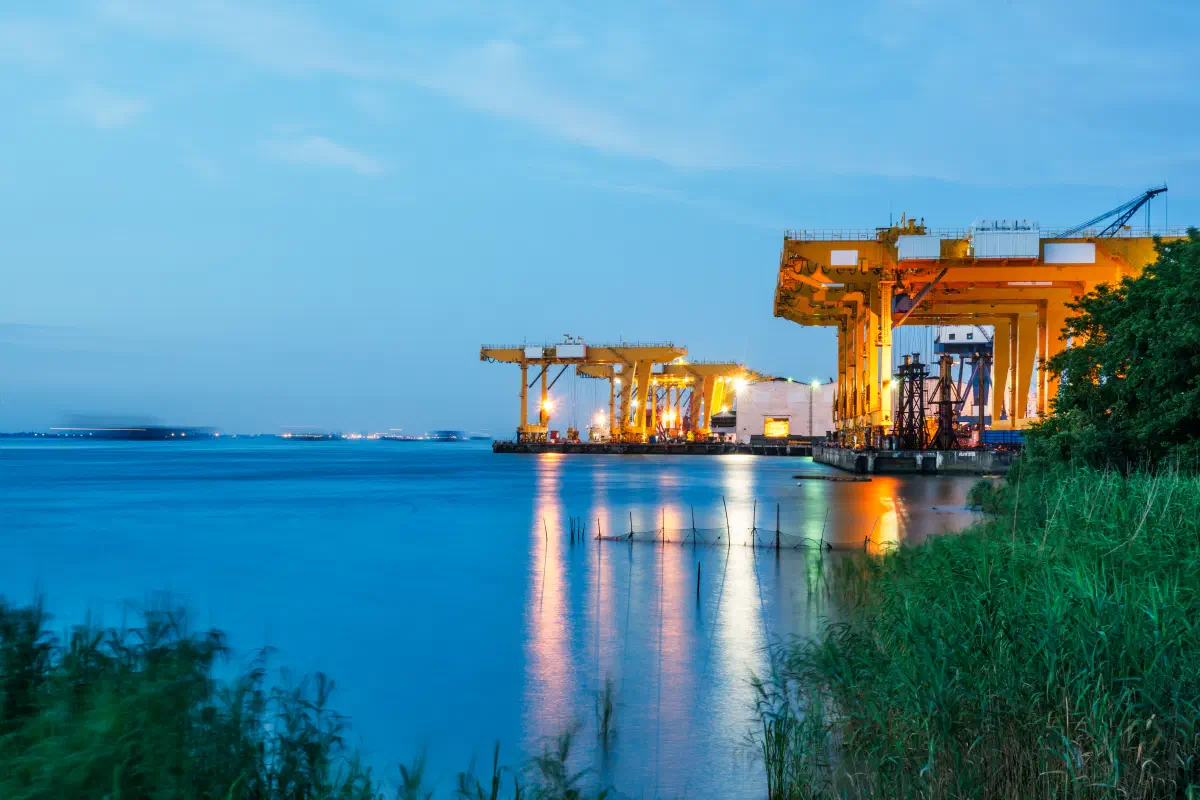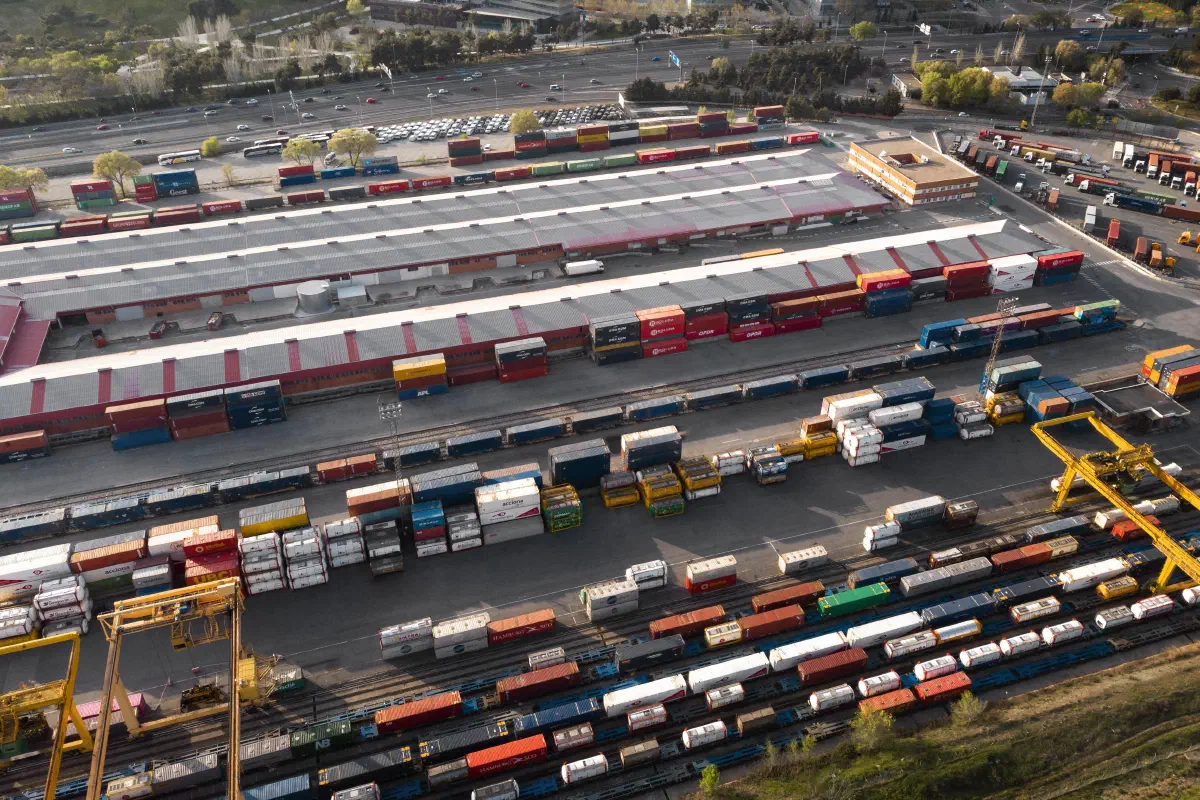
June 2026 volume reached 769,422 TEUs, an 11.9% increase year over year. Through the first half of 2026, the port has handled 4.4 million TEUs, cementing its position as the third-busiest container port in the United States. That growth is real, and it is putting pressure on the entire drayage network that feeds it.

Why volume growth creates a drayage problem
More containers moving through a port means more trucks, more appointments, more driver hours, and more competition for the same drayage capacity. Trucking rates around the port are rising in direct response to the volume increase. Cushman and Wakefield’s H1 2026 port overview noted that rising trucking rates are already pushing some occupiers to look for warehouse space closer to the port complex specifically to shorten dray moves and reduce exposure to rate increases.
If you are importing through Port Newark or the surrounding terminals and your drayage arrangement has not been reviewed recently, this is the moment to do it.
The channel deepening project
The Port Authority has signed a landmark agreement with the US Army Corps of Engineers to evaluate deepening the port’s navigation channels from their current depth to 55 feet. That is a significant infrastructure commitment. Deeper channels mean larger vessels can call at the port without tide restrictions, which will increase the size of shipments moving through the terminal and add further demand on drayage and last-mile capacity in the region.
This project is still in the evaluation phase, but it signals where the port is headed over the next decade.
Warehouse costs around the port are also rising
The Port Region warehouse market covers 84.1 million square feet, making it the largest submarket in Northern New Jersey. Class A asking rents in the first half of 2026 rose 7.1% from 2025, reaching an average of $21.69 per square foot. The Port Region carries the highest average asking rent in New Jersey at $18.85 per square foot, a 13% premium over the state average.
For shippers evaluating whether to hold inventory closer to port or push it further inland, that premium is a real cost to factor in.
What this means for your freight
If you are routing cargo through Port Newark or Port Elizabeth, three things are worth acting on now. First, confirm your drayage coverage ahead of the Q4 peak, when volume and rate pressure will be at their highest. Second, if your inland warehouse is more than an hour from the port complex, factor in rising dray costs when comparing the landed cost of your shipments. Third, the channel deepening evaluation means vessel sizes calling this port will likely grow over time. Your carrier and freight partner should already be thinking about how that changes your supply chain setup.
The port is growing. Drayage capacity is not growing at the same pace. That gap is where shipper costs tend to climb.
Get a freight quote to review your current drayage and import arrangement before Q4 gets underway.
FAQ
How much has Port of NY/NJ grown in 2026?The port handled 769,422 TEUs in June 2026, a 11.9% increase over June 2025. Year-to-date through H1 2026, the port has moved 4.4 million TEUs.
Why are drayage rates rising at Port Newark?Rising container volumes are outpacing available drayage capacity. With more trucks competing for appointments and more freight moving through the terminal, rates are increasing across the board.
What is the Port Authority’s channel deepening project?The Port Authority has signed an agreement with the US Army Corps of Engineers to evaluate deepening the port’s navigation channels to 55 feet. This would allow larger vessels to call at the port without tide restrictions.
How does port volume growth affect my supply chain?Higher volume means more competition for drayage, longer appointment windows, and higher landed costs if your drayage rates are not locked in. Shippers with flexible arrangements are most exposed to rate spikes during peak periods.
What should I do to protect my drayage costs heading into Q4?Review your current drayage coverage and rates before November. If you are on a spot arrangement, speak with your freight partner about locking in capacity ahead of the holiday peak.