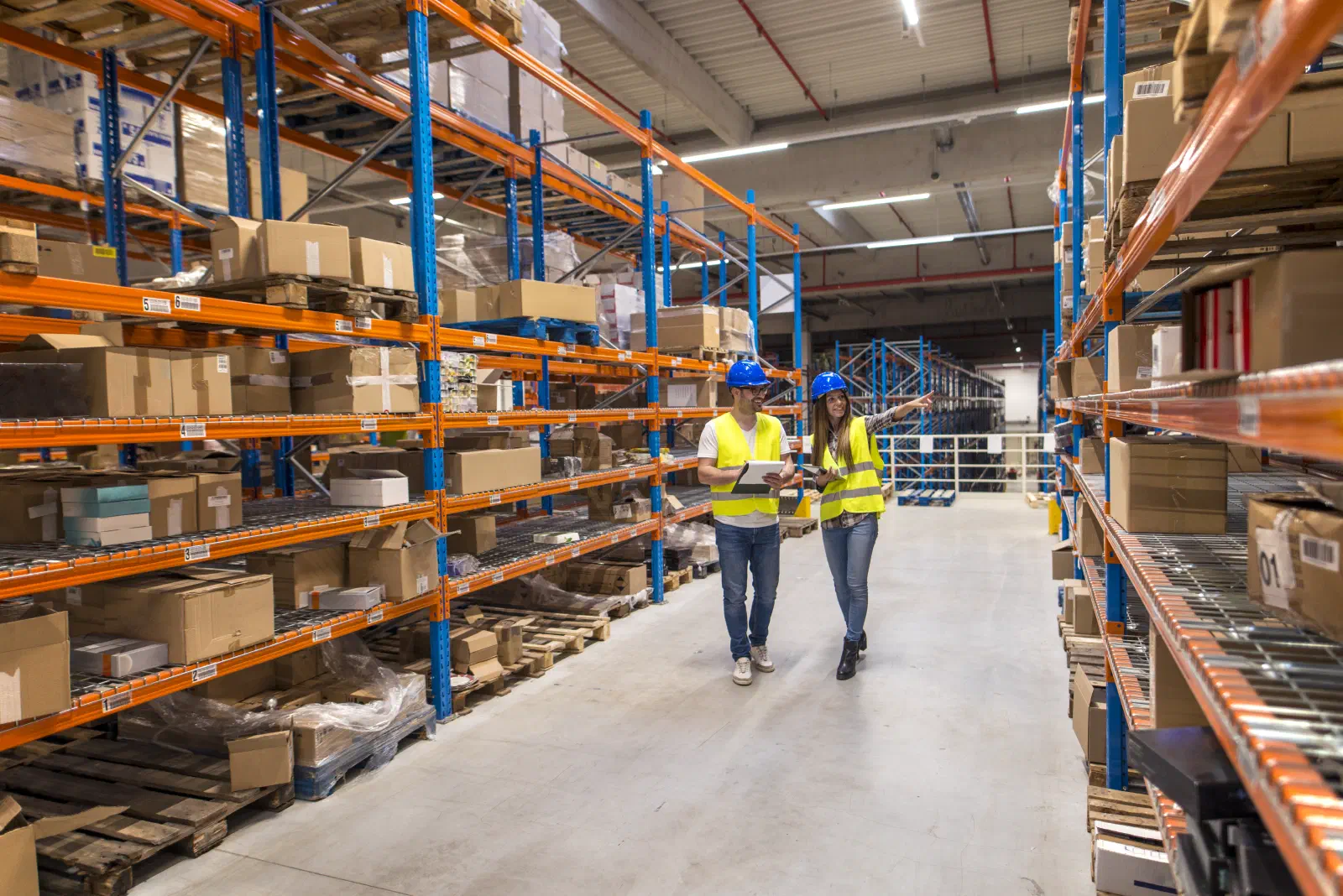
The Q2 2026 warehouse leasing data landed in July and the numbers were hard to argue with. More than 67 million square feet of leases signed in a single quarter, a record. Net absorption of 66 million square feet in the US, the strongest quarter since 2022. Occupancy at 95.5 percent and rising. Demand on pace to outrun new supply by 25 million square feet for the full year.
For anyone managing supply chain costs, those numbers matter beyond the real estate market they describe. A tightening warehouse market changes how inventory moves, where it can be held, and what it costs to get product to customers. The effects show up on freight invoices before they show up on lease agreements.
Why warehouse availability affects your freight bill
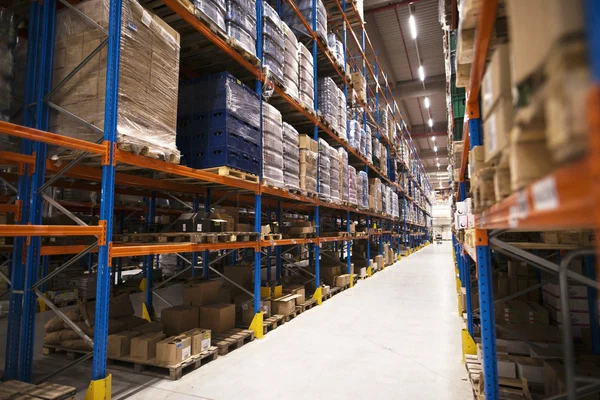
Think of warehouse space as a buffer in your supply chain. When you can store product close to your customers, you can fill orders on a normal schedule without rushing. When storage space runs out or gets too expensive, you end up holding inventory further away, and when an order comes in you pay more to get it there on time.
That connection between warehousing and freight cost is why a real estate data point matters to a logistics manager. Tighter storage means less flexibility in how you move goods. Less flexibility in how you move goods means more reliance on expensive options when timing gets tight.
With truckload rates near record highs and LTL networks tightening as the summer peak season builds, the freight side of that equation is already under pressure. A tightening warehouse market on top of that is the supply chain equivalent of both ends of the hose squeezing at the same time.
What is driving the demand surge
Several things are happening at once and they are reinforcing each other.
The frontloading of imports in May and June 2026, as companies raced to get goods into the country ahead of tariff changes and supply chain uncertainty from the Strait of Hormuz crisis, filled warehouses and distribution centers faster than planned. That inventory is still working through the network and competing for available space.
Underneath that short-term surge, longer-term structural shifts are adding sustained pressure. E-commerce keeps growing. Advanced manufacturing is expanding domestically. Supply chain reconfiguration, where companies are diversifying away from single-source suppliers and building more regional distribution capacity, is generating warehouse demand that does not go away when one tariff cycle ends.
The result is a market where demand is not just seasonally high. It is structurally higher than it was two years ago, and new construction is not keeping up. Net absorption is on pace to approach 220 million square feet for the full year against only 195 million square feet of new warehouse completions.
The Q4 problem forming right now
Here is the part that requires the most immediate attention.
The holiday peak season, which runs from October through mid-December, brings the heaviest inbound inventory volumes of the year. Companies ship product in early to make sure shelves and fulfillment centers are stocked before demand spikes. In years when warehouse space is available, that inventory lands smoothly. In years when occupancy is at 95.5 percent and vacancy is falling, it competes for whatever is left.
The best warehouse locations, those closest to major customer bases and best positioned to reduce outbound transportation costs, are being committed now. The conversations happening in July will determine who has good options in October. The conversations that happen in September will be choosing from what remains at whatever price that remaining space commands.
If you have significant Q4 volume and have not yet thought through your warehousing strategy for the second half of the year, that conversation is worth having sooner rather than later.
What to think about if you are evaluating warehousing now
Two things are worth keeping in mind given where the market sits.
The first is flexibility. With rents rising at 36.9 percent on multi-year leases, locking into a long-term arrangement in the wrong location carries real risk. Tariff policy, sourcing decisions, and customer distribution patterns are all shifting. A 3PL warehousing partner who scales space with your actual volume rather than charging for fixed capacity regardless of how much you use gives you room to adjust as those variables change.
The second is location relative to your customers. The further your inventory sits from the people who need it, the more you pay to move it when an order comes in. In a freight market where transportation costs are elevated across every mode, that distance penalty is larger than it has been in years. Positioning inventory closer to major demand centers is one of the most straightforward ways to take pressure off your freight budget without changing anything about your carrier relationships.
At HighQ Logistics, our warehousing services work alongside your freight program rather than separately from it. When storage decisions and transportation decisions are made together, the total cost of getting product to customers is almost always lower than when the two are managed independently. If you want to talk through what the current warehouse market means for your supply chain heading into Q4, reach out to the HighQ team or get a freight quote.
The warehouse market is tighter than it has been since 2022 and the structural drivers behind that tightening are not going away quickly. Record leasing activity, demand outrunning new supply, and occupancy near 95.5 percent are conditions that take time to reverse. Shippers who address their warehousing strategy now will have better options, better locations, and lower total costs than those who wait until Q4 demand forces the decision.
FAQ
Why is warehouse space harder to find in 2026?
Demand is outrunning new supply. More than 67 million square feet of warehouse leases were signed in Q2 2026, a record, and net absorption of 66 million square feet in the US was the strongest quarterly figure since 2022. Net absorption is on pace to approach 220 million square feet for the full year against only 195 million square feet of new completions, meaning the market is consuming space faster than it is being built.
How does a tight warehouse market affect shipping costs?
When warehouse space is available near customers, companies can store product strategically and ship it on normal schedules. When space gets tight and expensive, companies hold inventory further from customers and end up paying more to move it quickly when orders come in. The connection between warehousing and freight cost means a tightening storage market creates upward pressure on transportation budgets even for shippers who do not manage warehousing directly.
How tight is the warehouse market right now?
Occupancy reached 95.5 percent in Q2 2026 and vacancy is falling. Net effective rent change on multi-year leases reached 36.9 percent in the quarter. The most in-demand large facilities are at 98 percent occupancy. The market is at its tightest point since 2022 and structural demand drivers suggest it will stay tight rather than reversing quickly.
Why does Q4 warehousing need to be planned now rather than later?
The best warehouse locations near major customer bases are being committed now. When Q4 inventory starts arriving in September and October into a market at 95.5 percent occupancy, what remains will be less strategically located and more expensive. Shippers who make arrangements now have more options at better prices than those who wait until the urgency of Q4 forces a decision.
Is a 3PL warehousing arrangement better than a direct lease in this market?
For many shippers, yes. With rents rising at 36.9 percent on multi-year leases and supply chain conditions in flux, the flexibility of a 3PL arrangement that scales with your volume is more valuable than a fixed long-term lease. A 3PL partner absorbs the cost variability rather than passing it to you as a fixed overhead regardless of how much space you actually use.
What structural factors are driving warehouse demand beyond peak season?
E-commerce growth, domestic manufacturing expansion, defense and semiconductor supply chain investment, and the reconfiguration of supply chains away from single-source dependencies are all generating sustained warehouse demand that is not tied to any single season or tariff cycle. These shifts took years to build and will take years to fully play out, which is why the current tightening is structural rather than purely cyclical.
How does warehouse location affect freight costs specifically?
The further inventory sits from customers, the more it costs to deliver when orders come in. With truckload rates near record highs and LTL networks tightening, the transportation premium for holding inventory in the wrong location is larger than it has been in years. Every mile of unnecessary distance between a warehouse and a customer base adds cost that compounds across every outbound shipment.