The 2026 State of Logistics Report delivered a conclusion that supply chain managers have suspected for years but that is now backed by hard data: volatility is no longer a market condition to manage through. It is a structural feature of the global logistics environment that shippers need to build for permanently. US logistics costs reached $2.4 trillion in 2025, representing 7.8 percent of GDP. Every disruption covered in HighQ’s blog this year, the Strait of Hormuz closure, back-to-back typhoons hitting China’s two largest ports, Panama Canal capacity cuts, truckload rates at historic highs, was not an anomaly. It was a preview of the operating environment that logistics programs need to be built for going forward.

What the data actually says
The scale of US logistics costs is worth sitting with for a moment. $2.4 trillion represents the total cost of moving and storing goods across the US economy in a single year. At 7.8 percent of GDP it is not a rounding error in business operations. It is one of the largest cost categories in the entire economy. And those costs have been rising, not because logistics is becoming more inefficient, but because the world freight moves through has become genuinely more complex, more expensive, and more volatile.
The report’s central finding, that volatility is now permanent, does not mean every year will have a typhoon season that closes China’s ports twice in a month, or a Middle East conflict that closes a major shipping strait, or a canal system that cuts capacity due to drought. It means that the frequency of major supply chain disruptions has increased to the point where planning around their absence is no longer a viable strategy. In any given year, something significant will go wrong. The only planning question is which part of the network it hits and whether the freight program is built to absorb it.
Why this year proves the report’s point
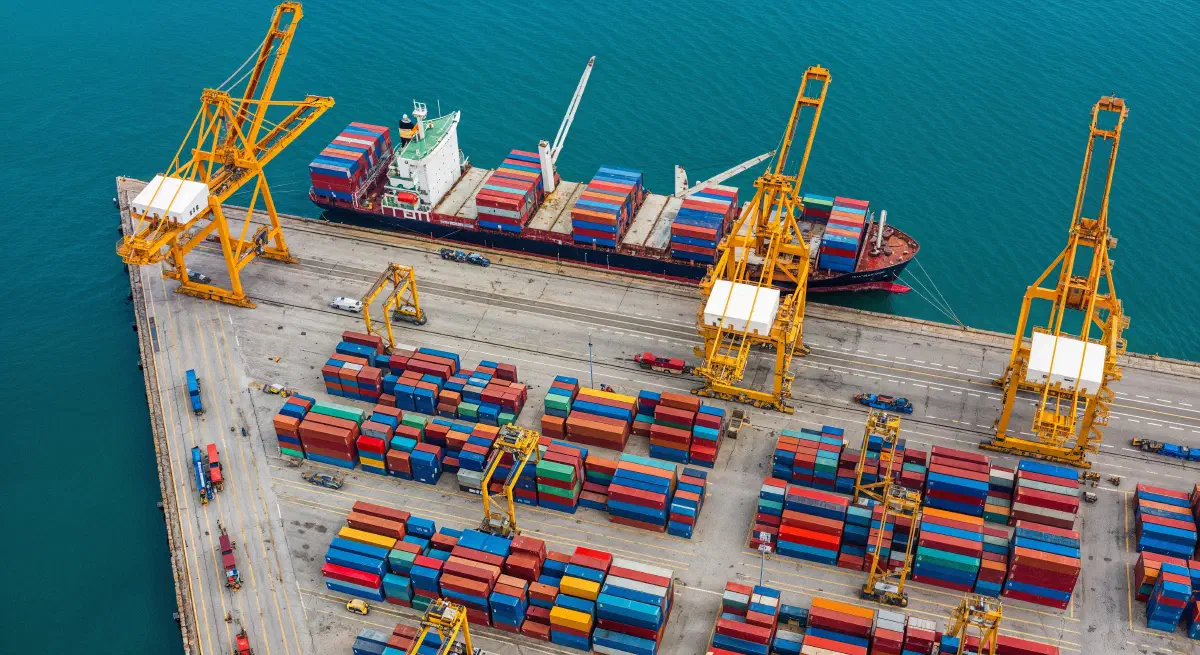
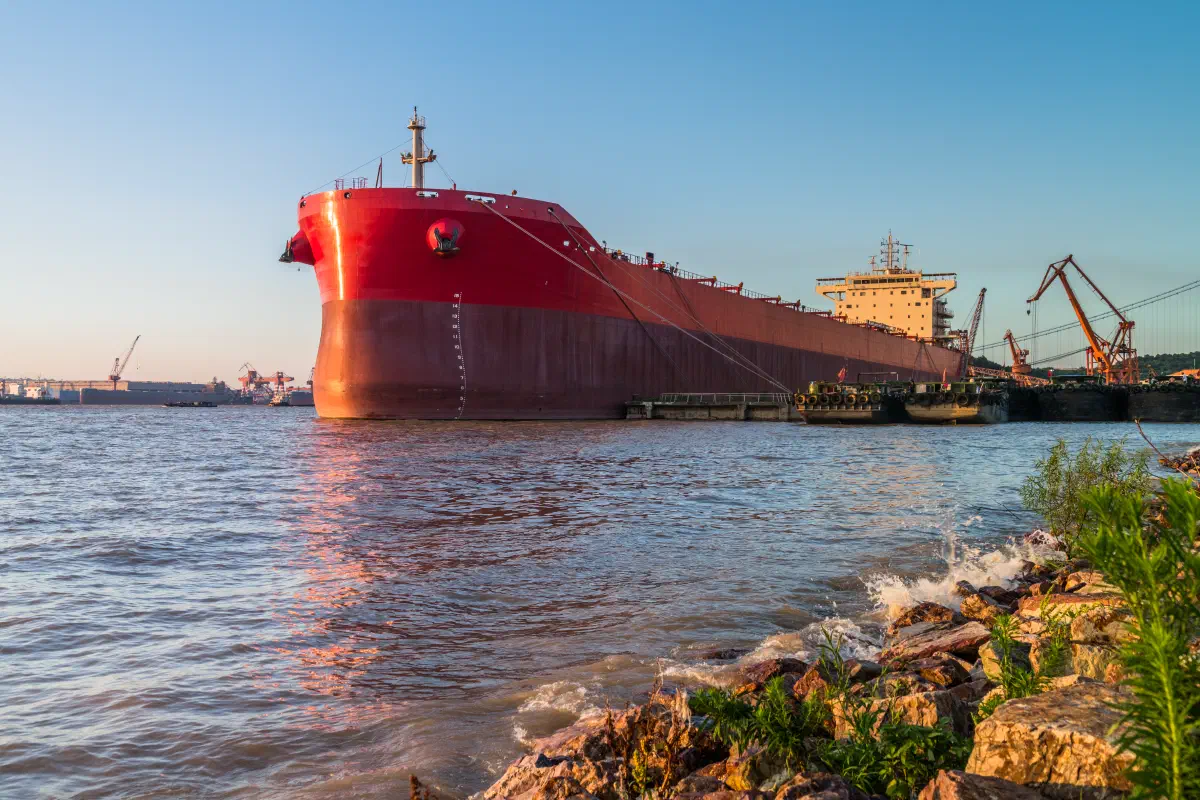
The freight disruptions of 2026 have arrived in a pattern that would have seemed extraordinary in any previous year. The Strait of Hormuz has been effectively closed to commercial shipping since February, with daily transits down to just 3 to 4 crossings against a pre-crisis baseline of more than 60. Typhoon Dolphin closed Shanghai and Ningbo in August with enough severity to strand more than 2.4 million TEUs. Before the Dolphin backlog cleared, Typhoon Saudel closed the same ports again, sending berthing delays to 10 days at Shanghai and Ningbo, the worst congestion since the pandemic. The Panama Canal reduced daily transit slots from September 3 with a further reduction September 15, driven by watershed rainfall running 34 percent below historical averages. Domestic truckload rates are running 43 percent above year-ago levels, driven by structural carrier capacity contraction rather than temporary demand surges.
These are not separate bad-luck events. They are five simultaneous pressures hitting the global logistics system at the same time. The 2026 State of Logistics Report’s conclusion that volatility is permanent is not a forecast. It is a description of what has already happened.
What shippers who are managing this well are doing differently
The freight programs that are absorbing 2026’s disruptions most effectively share a set of characteristics that are worth naming specifically, because they are not the characteristics of the lowest-cost logistics program.
They have carrier depth that goes beyond a primary and a backup. A routing guide with two carriers per lane worked in a market where rejection rates were below five percent. In a market where rejections are running at 14 percent and rising toward peak season, a routing guide that exhausts itself in two steps is a routing guide that regularly lands loads on the spot market at 43 percent above contracted rates.
They have ocean freight coverage that is not entirely dependent on any single corridor. Shippers with Q4 import volume routing exclusively through the Panama Canal are exposed to the slot reductions that began September 3. Shippers routing exclusively through Shanghai and Ningbo are exposed to sequential typhoon disruptions. Shippers who have built routing flexibility that can shift volume between West Coast and East Coast entry points, or between Panama Canal and direct rail routing, have options when a single corridor becomes constrained.
They are using intermodal shipping on qualifying domestic lanes where the cost differential with truckload makes a compelling case. Intermodal has been gaining share throughout 2026 precisely because its capacity is not subject to the same driver shortage dynamics that are driving truckload rates to historic levels. The shippers who made that mode shift earlier in the year are paying meaningfully less than those still booking 100 percent truckload on 1,500-mile lanes.
They have freight audit processes that catch billing errors before they leave the account. In a surcharge-heavy market where multiple charge types are stacking on every invoice, the probability of billing errors compounds. Systematic pre-payment auditing is recovering real money in programs that are already paying above-market rates for the capacity they need.
And they have logistics partners who are watching the market on their behalf rather than waiting to be called. The shippers who found out about Typhoon Saudel from their logistics provider rather than from the news are the ones who had time to act before the disruption affected their freight. The ones who found out after their container missed its appointment are managing the consequences.
What permanent volatility means for how you evaluate logistics partnerships
If supply chain volatility is now structural rather than cyclical, the criteria for evaluating a logistics partner should reflect that reality.
The question is not which provider has the lowest rate on a given lane on a given day. The question is which provider can keep your freight moving when something goes wrong, which is now a question of when rather than if.
That means carrier depth matters more than margin. A logistics partner who maintains genuine relationships across a broader carrier network, including backup carriers on your specific lanes, is more valuable in a volatile market than one who finds the cheapest truck on a load board on a clear day.
It means market intelligence matters more than transaction processing. Knowing that Typhoon Saudel is building before it hits, that Panama Canal slot allocations are tightening before the September 3 reduction takes effect, that tender rejections are rising at specific ports before they affect your drayage availability, is the difference between proactive management and reactive crisis response.
And it means accountability for outcomes rather than individual loads matters more than it ever has. In a market where disruptions are permanent features rather than exceptions, a logistics partner who is accountable for your freight program’s performance, not just whether a specific load delivered, is the partner that actually helps you manage through the year ahead.
At HighQ Logistics, we manage LTL, full truckload, intermodal, drayage, warehousing, and managed transportation alongside the market intelligence that connects global disruptions to practical decisions for your specific freight program. If you want to talk through what permanent supply chain volatility means for how your program is built, talk to the HighQ team or get a freight quote.
The 2026 State of Logistics Report confirmed what this year’s freight market has demonstrated in practice: supply chain volatility is no longer a condition to manage through. It is a permanent feature of the operating environment. US logistics costs at $2.4 trillion and 7.8 percent of GDP reflect a system under sustained structural pressure from multiple directions simultaneously. The shippers building freight programs that can absorb that pressure, through carrier depth, routing flexibility, intermodal optionality, systematic auditing, and proactive logistics partnerships, are the ones who will manage Q4 2026 and beyond better than those who are still planning around the assumption that disruptions are the exception.
Frequently Asked Questions
What did the 2026 State of Logistics Report find?
The report found that supply chain volatility is now permanent rather than cyclical, and that US logistics costs reached $2.4 trillion in 2025, representing 7.8 percent of GDP. The finding reflects a freight environment where major disruptions have become frequent enough that planning around their absence is no longer a viable strategy.
What does it mean for supply chain volatility to be permanent?
It does not mean every year will have exactly the same disruptions. It means the frequency of significant supply chain disruptions has increased to the point where any given year should be expected to include at least one major event affecting freight costs, transit times, or capacity availability. Planning frameworks that assume a stable baseline with occasional disruptions need to be replaced by frameworks that treat disruption as the baseline.
How much do logistics costs represent as a share of the US economy?
US logistics costs reached $2.4 trillion in 2025, representing 7.8 percent of US GDP. This figure covers the total cost of moving and storing goods across the US economy, including transportation, warehousing, and carrying costs. At that scale, logistics cost management is one of the most significant levers available to businesses managing their overall cost structure.
What characteristics do freight programs that are managing 2026’s disruptions well share?
The most effective programs have carrier depth beyond a single backup on each lane, ocean freight routing that is not entirely dependent on any single corridor, active use of intermodal on qualifying domestic lanes, systematic pre-payment freight auditing, and logistics partners who monitor the market actively rather than responding after problems have already affected freight.
Why is intermodal increasingly important in a volatile freight environment?
Intermodal capacity is supported by the rail network’s large fixed asset base rather than the variable driver pool subject to the same regulatory and compliance pressures affecting truckload capacity. In a market where truckload rates are running 43 percent above year-ago levels due to structural carrier contraction, intermodal offers meaningful cost advantages on lanes over 500 miles without the same capacity volatility that drives truckload rate spikes.
How should shippers evaluate logistics partners differently given permanent volatility?
Rather than optimizing for the lowest rate on a given load, the more relevant questions are which provider maintains genuine carrier depth on your specific lanes, which provider delivers market intelligence that allows proactive response to disruptions, and which provider is accountable for freight program outcomes rather than just individual transaction execution. In a volatile market, the value of a logistics partner shows up most clearly when something goes wrong, not when everything is running smoothly.
What does the current disruption environment mean for Q4 2026 planning specifically?
Q4 holiday freight will arrive into a market shaped by Typhoon Saudel congestion still clearing from China’s major ports, Panama Canal slot reductions that took effect September 3, Transpacific rates at new peak season highs, and domestic truckload rates running 43 percent above year-ago levels. The Q4 planning decisions that matter most are contracted carrier coverage on high-volume lanes, Q4 sailing slot confirmation on Transpacific routes, warehousing arrangements in a market at 95.5 percent occupancy, and routing flexibility that does not depend entirely on any single disrupted corridor.