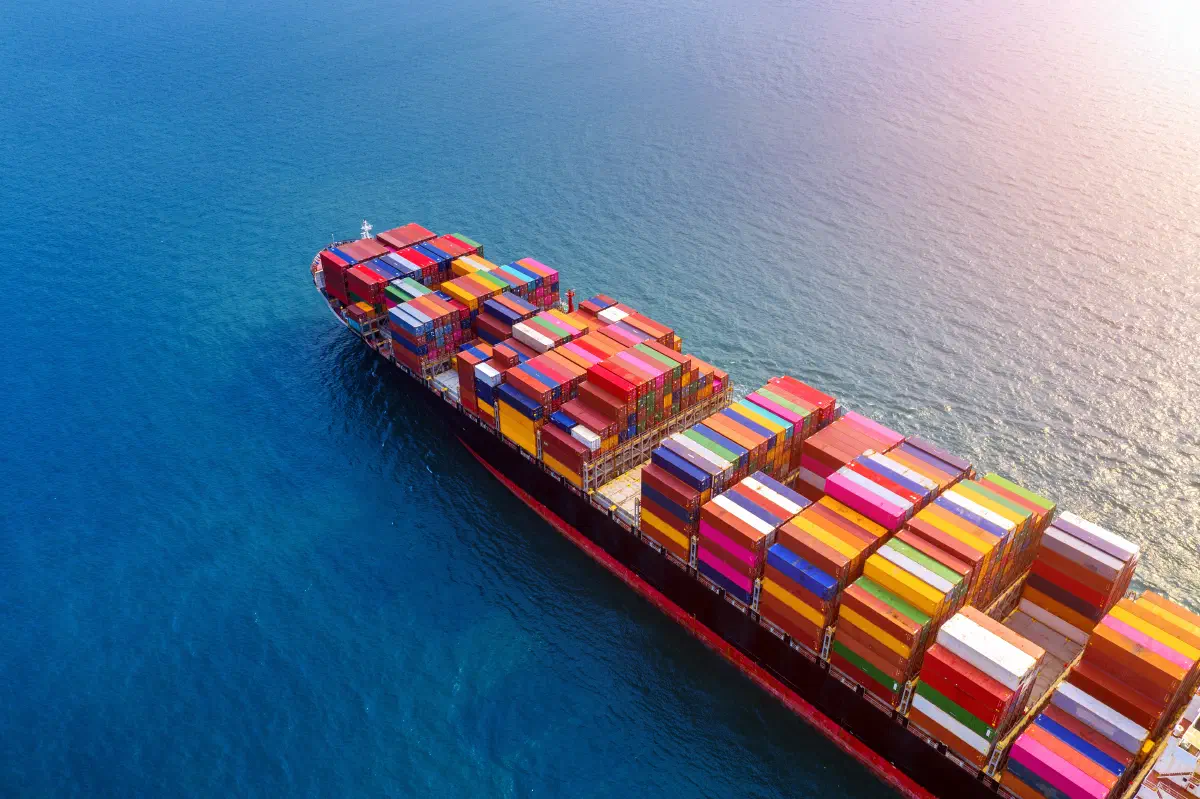
What HighQ Logistics Does and How We Can Help You
Most shippers do not need a vendor. They need a partner who knows their freight, picks up the phone when something goes wrong, and brings the same level of attention to a Tuesday afternoon LTL booking as they do to an urgent expedited move on a Friday evening. That is what HighQ Logistics is built to be.
We are a freight broker and third-party logistics provider, and we work specifically with small and mid-sized shippers who need a logistics partner that actually knows them. Not their account number. Them. This is a look at what we do, how each service works, and how to know which ones make sense for your operation.
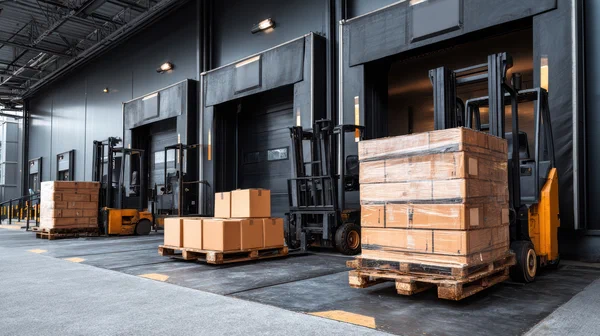
Who we work with
HighQ was built for growing businesses that ship regularly but do not have the internal logistics infrastructure of a large enterprise. Logistics managers, supply chain directors, and business owners who are spending too much time managing freight, too much money on costs that should be lower, and not enough time on the work that actually grows the business.
If your freight program feels reactive, if your invoices regularly surprise you or if nobody is watching the market on your behalf, those are the problems HighQ is designed to solve.
Less-than-truckload shipping
LTL shipping is for freight that does not fill an entire trailer. Your pallets share space with other shippers’ goods, and you pay only for what you use. It is the right choice for most regular pallet freight under around eight to ten pallets, and it is one of the most technically complex freight categories to manage well because of freight class requirements, accessorial charges, and terminal network variability.
At HighQ, we verify freight class before your shipment moves, audit invoices for billing errors, and build carrier relationships on your specific lanes so your freight is not just another load competing for space on a load board. If you are seeing unexpected charges on LTL invoices or carrier rejections on lanes you run regularly, that is where we start.
Full truckload shipping
Full truckload means one shipper, one trailer, one direct move from origin to destination. You pay for the whole truck whether you fill it or not, but what you get in return is faster transit, less handling, and a shipment that moves without touching a terminal.
FTL is the right choice when your freight is heavy enough that LTL gets expensive, when your product cannot afford multiple terminal handoffs, when timing is critical, or when you simply need the predictability of a direct move. HighQ maintains carrier relationships across your specific lanes so that truckload coverage holds up even when the market gets tight.
Expedited and guaranteed shipping
There are moments when standard transit is not fast enough and the cost of being late is higher than the cost of moving faster. Expedited and guaranteed freight is built for exactly those moments.
When a production line is waiting on parts, when a retail delivery window cannot slip, or when a standard shipment has been delayed and needs to recover time, HighQ deploys dedicated resources immediately. Team drivers who keep trucks moving around the clock, hot shot vehicles for smaller urgent loads, and guaranteed delivery commitments backed by contractual assurance. When every minute counts, this is the service that delivers.
Temperature controlled shipping
Moving freight that has to stay cold, frozen, or at a precise temperature throughout transit is one of the highest-stakes categories in logistics. One degree of deviation at the wrong moment can mean spoiled product, a compliance violation, or a load the receiver will not accept.
Temperature controlled shipping at HighQ covers the planning, carrier vetting, and real-time oversight that cold chain freight demands. We work with vetted reefer carriers who maintain their equipment, pre-cool their trailers, and monitor temperature throughout transit, not just at pickup and delivery. For food, pharmaceutical, and specialty product shippers, that standard of care is not optional.
Drayage
Drayage is the short-distance truck move that gets a container from a port or rail ramp to its next destination. It sounds simple. The terminal environment around it is not.
Port appointments, chassis availability, demurrage clocks, and customs coordination all require carriers who know the specific facility they are working in. A carrier unfamiliar with the Port of Long Beach appointment system will cost you more in demurrage fees on a single container than they saved you on the rate. HighQ coordinates drayage moves across major ports and rail ramps with carriers who have established relationships at those facilities and know how to execute without the surprises.
Intermodal shipping
Intermodal shipping moves your freight by a combination of truck and rail within the same sealed container. A drayage truck carries it to the rail ramp, a train handles the long-haul portion, and another drayage truck delivers it at the destination. Your freight never gets touched between those two ends.
The cost advantage over truckload on lanes over 500 miles is real and meaningful, typically 10 to 40 percent depending on the lane and current market conditions. The tradeoff is typically one to two additional transit days. For freight without a hard delivery deadline, that is often a straightforward exchange for meaningful savings. HighQ manages the full intermodal journey, including both drayage legs, through a single coordinated relationship so the handoffs between truck and rail are not your problem to manage.
Managed transportation
Managed transportation is for shippers who need more than load coverage. It is for shippers who need someone running their freight program.
HighQ manages carrier procurement, load tendering, shipment tracking, exception management, freight invoice auditing, and reporting on an ongoing basis, replacing the need for an internal team to handle daily freight coordination. You keep control of strategy. We handle execution. When something goes wrong, we are ahead of it, not waiting for you to call.
Freight auditing
Billing errors are common in freight and they compound quietly across high-volume programs. Incorrectly applied accessorial charges, fuel surcharge calculations that do not match contracted tables, duplicate invoices, and carrier reclassifications that should be disputed are all regular occurrences that most shippers do not have the internal bandwidth to catch systematically.
Freight auditing at HighQ reviews every invoice against contracted rates before payment is made, catches the errors before they leave your account, and disputes reclassifications with the documentation to support the challenge. Shippers running regular freight programs typically recover one to five percent of total freight spend through a disciplined audit process. In most cases, the recovery exceeds the cost of running it.
Parcel shipping
Parcel shipping is one of the most overlooked cost control opportunities in a freight program. The headline rate increases from major carriers in 2026 are running at 5.9 percent, but between dimensional weight changes, fuel surcharges now running more than 60 percent above year-ago levels, and accessorial stacking, the effective cost increase for most shippers is running significantly higher than that.
HighQ’s parcel program helps shippers manage carrier diversification, invoice auditing, and rate optimization across their small package freight, bringing the same level of systematic management to parcel that we apply to every other mode.
Warehousing
Warehousing at HighQ works as part of your broader freight program rather than as a standalone service. When storage decisions and transportation decisions are made together, the total cost of getting product to customers is consistently lower than when the two are managed separately through different providers.
We support storage, staging, and distribution as part of a coordinated freight operation, with real-time inventory visibility and outbound shipping across all modes managed through a single relationship. In a warehouse market where occupancy has reached 95.5 percent and space is harder to find, having a logistics partner who coordinates storage alongside transportation gives you more flexibility and better cost management than managing them independently.
How to know what you need
Not every shipper needs all of these services, and part of what HighQ does is help you figure out which ones are worth your attention given where your freight program is right now.
If you are spending more time managing freight than your team should be, managed transportation is probably the conversation to have first. If your LTL invoices keep surprising you, freight auditing and carrier vetting are where the money is. If you are moving regular freight on long lanes and have not compared intermodal against your current truckload rates recently, that comparison is worth running. If you have temperature-sensitive freight and are not confident in how your current carriers handle the cold chain, that is a risk worth addressing before it becomes a problem.
The fastest way to understand where HighQ can make the most difference for your specific program is to have a conversation. Talk to the HighQ team or get a freight quote and we will give you a straight read on where things stand and what would actually help.
FAQ
What type of shippers does HighQ Logistics work with?
HighQ works with small and mid-sized shippers who move freight regularly and need a logistics partner who knows their operation rather than just their account number. That includes logistics managers, supply chain directors, and business owners across manufacturing, distribution, retail, food and beverage, pharmaceutical, and other industries that ship commercial freight.
Is HighQ a freight broker or a 3PL?
Both. HighQ operates as a licensed freight broker and as a third-party logistics provider. As a broker we source and manage carrier relationships on individual shipments. As a 3PL we provide broader logistics management including managed transportation, warehousing, freight auditing, and supply chain coordination. The right engagement model depends on what a shipper needs.
What freight modes does HighQ handle?
HighQ manages LTL, full truckload, expedited and guaranteed freight, temperature controlled shipping, drayage, intermodal, managed transportation, freight auditing, parcel, and warehousing. All modes are coordinated through a single relationship rather than requiring shippers to manage separate providers for each.
How does HighQ vet the carriers it works with?
HighQ verifies active FMCSA authority, insurance, safety ratings, and CSA scores before any carrier enters the network and monitors those credentials continuously after onboarding. When a carrier’s authority lapses, insurance expires, or safety metrics deteriorate, we know before it affects a shipper’s freight. Carrier vetting is an active and ongoing process, not a one-time check.
How is working with HighQ different from booking freight through a load board or online platform?
Load boards and platforms connect shippers with available capacity at the moment of booking. HighQ builds carrier relationships on specific lanes over time, which produces better tender acceptance, more consistent service, and a partner who is accountable for outcomes rather than just individual transactions. When something goes wrong on a shipment, HighQ is already working on it rather than waiting to be called.
What size freight program is a good fit for HighQ?
HighQ works best with shippers who move freight regularly enough that the quality of their logistics relationships has a measurable impact on their costs and service levels. There is no minimum volume requirement, but the relationship is most valuable for shippers with recurring freight needs rather than occasional one-off shipments.
How do I get started with HighQ Logistics?
The easiest starting point is a freight quote or a conversation with the HighQ team about your current freight program. From there we can identify which services are most relevant to your operation and what working together would look like in practice.