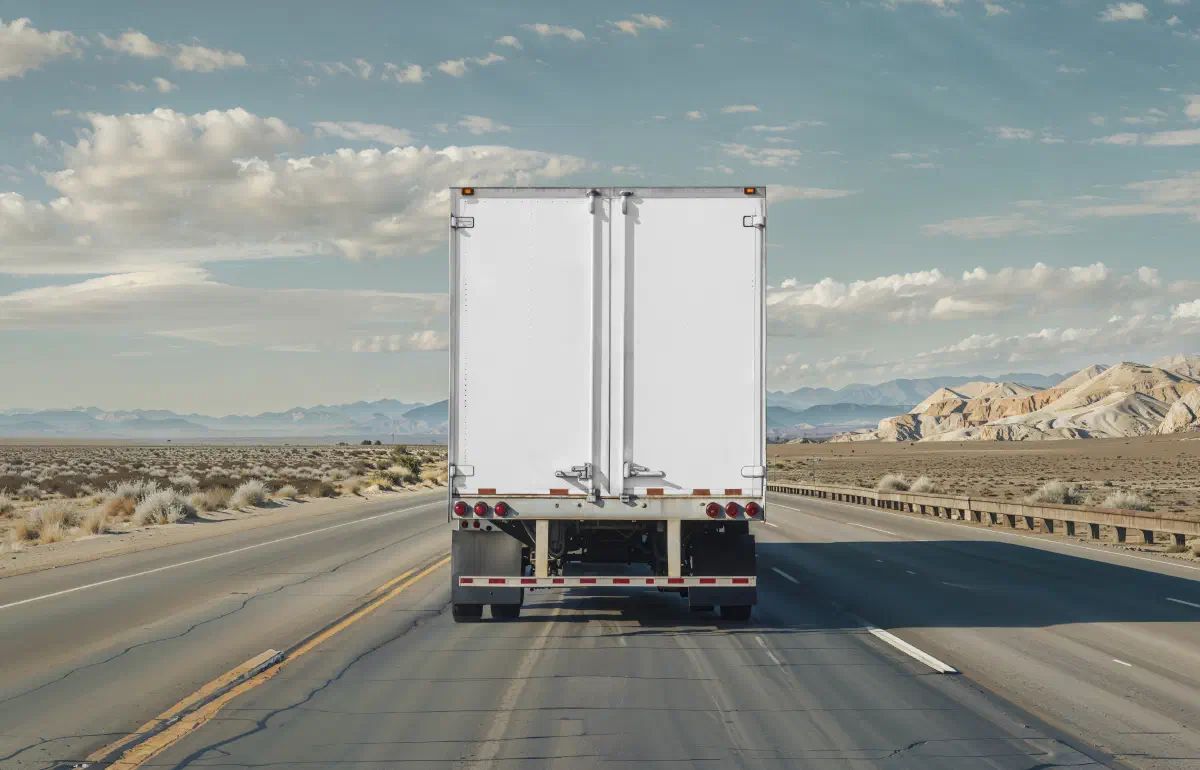
CVSA Brake Safety Week began August 23 and runs through August 29, 2026. Across the United States, Canada, and Mexico, commercial vehicle inspectors are conducting focused brake system inspections on large trucks this week, with particular attention on brake drums and rotors. Trucks that fail inspection are placed out of service immediately and cannot move until repairs are completed. For shippers managing freight right now, that enforcement reality has direct and immediate consequences for capacity, spot rates, and drayage availability.

What Brake Safety Week actually is
The Commercial Vehicle Safety Alliance runs Brake Safety Week every year as a focused enforcement campaign where certified inspectors target one specific safety category across all commercial vehicles. This year’s focus is brake drums and rotors, components that play a critical role in stopping performance and that inspectors found to be among the most common sources of out-of-service violations in recent years.
During one day of the CVSA’s 2026 unannounced brake safety detail earlier this year, inspectors conducted 4,021 inspections of commercial motor vehicles and restricted 574, or 14.3 percent, from travel due to brake-related out-of-service violations throughout North America.
That 14.3 percent out-of-service rate is not a minor operational footnote. Applied across the full week of enforcement activity at scale across three countries, it represents a meaningful temporary reduction in available truck capacity arriving into a freight market that was already running tight before the week began.
Why this matters more right now than in a typical year
Brake Safety Week happens every August, but 2026 is not a typical August for the freight market. Truckload all-in rates remain approximately 50 percent above year-ago levels. Tender rejection rates have eased from their June peak of 17.65 percent to around 14 percent, still well above the 4.75 percent baseline from a year ago. The domestic freight network is absorbing the second half of peak season import volumes while simultaneously managing the downstream disruption from Typhoon Dolphin’s vessel backlogs at Shanghai and Ningbo.
Shippers with inbound container freight should confirm drayage availability now for late August deliveries rather than managing last-minute bookings during enforcement events.
Into this environment, any temporary reduction in truck availability from enforcement activity adds to the capacity pressure that was already building before the week began. Shippers may face potential delays, see reduced transportation capacity, and likely higher spot rates. The increased inspection effort sometimes leads carriers to strategically choose to close their business temporarily for the week to avoid any risk of fines or penalties.
For shippers with time-sensitive freight moving this week, understanding that some carriers are deliberately reducing their activity during Brake Safety Week explains capacity tightness that might otherwise seem like ordinary market conditions.
The drayage exposure is particularly acute
Drayage capacity is the freight category most directly and immediately affected by Brake Safety Week. Port and rail ramp drayage operations depend on a pool of compliant carriers working specific terminal environments with specific equipment. When a meaningful percentage of that pool is placed out of service or voluntarily reduces activity during the enforcement week, the available drayage capacity at ports and rail ramps shrinks in ways that create ripple effects for shippers managing inbound container freight.
This is especially significant this week because the Typhoon Dolphin vessel backlog at Shanghai and Ningbo is still working through the network. Containers that were delayed by the port disruption in early August are arriving at US ports now and over the coming week, competing for the same drayage capacity that is temporarily reduced by enforcement activity. The combination of elevated inbound container volumes and reduced drayage availability is exactly the scenario that produces the demurrage and per diem charges that compound quickly when containers sit on the terminal clock.
At HighQ Logistics, we coordinate drayage services through carriers with strong compliance records, which means our network is less affected by enforcement weeks than operators relying on carriers with deferred maintenance or marginal compliance. If you have containers arriving at US ports this week and want to confirm your drayage coverage, talk to the HighQ team immediately rather than waiting for a notification that your container has missed its pickup window.
What to do right now if you have freight moving this week
Confirm your carrier’s compliance status before your freight moves.
A carrier that receives an out-of-service order during Brake Safety Week cannot move your freight until the violation is resolved. Knowing before pickup rather than after is the difference between a reroute and a missed delivery window.
Build additional lead time into any bookings made this week.
Spot market coverage is more difficult to find during enforcement weeks as some carriers voluntarily reduce their activity. You might find it more difficult to secure reliable carriers for any last-minute shipments, and with the potential for fewer trucks available and delays, spot rates can be heightened during this time.
Confirm drayage availability for any containers arriving at US ports through August 29.
The combination of Typhoon Dolphin cargo catching up through the network and reduced enforcement-week drayage availability makes late August container pickups a genuine risk area. Confirm your pickup appointments and drayage carrier availability before the container arrives on the terminal clock.
If your freight is flexible, consider holding non-urgent loads until after August 29.
Shippers may choose to plan around this week, reroute certain shipments, or even look into alternative modes. For freight without a hard delivery deadline, a brief hold through the end of the enforcement week avoids competing for constrained capacity and elevated spot rates.
What comes after Brake Safety Week
The enforcement week ends August 29 and normal carrier activity resumes for the remaining days of the month. The broader freight market context does not reset alongside the enforcement calendar. The FreightWaves August 2026 State of the Industry white paper published this week confirms that freight demand remains healthy despite seasonal cooling, with spot and rejection rates easing from annual highs but still well above 2025 levels, and truckload capacity remains tight with spot rates still well above contract rates and continued upward pressure on future contract pricing.
September marks the beginning of Q4 inventory movement for most shippers. The period immediately following Brake Safety Week is exactly when Q4 freight planning should be converting from preparation to action. Contracted capacity for Q4, intermodal alternatives on qualifying lanes, and routing guide reviews for lanes with thin backup coverage are all decisions that need to be made before September freight volumes build further pressure into an already elevated market.
At HighQ Logistics, we manage LTL, full truckload, drayage, and intermodal freight through a vetted carrier network with strong compliance records. If you have freight moving this week and want to confirm your carrier coverage, or want to talk through your Q4 freight strategy heading into September, talk to the HighQ team or get a freight quote.
CVSA Brake Safety Week runs through August 29 and is removing a meaningful percentage of truck capacity from service this week across the US, Canada, and Mexico. Combined with elevated spot rates, Typhoon Dolphin cargo still catching up through the network, and drayage capacity that is already stretched heading into the late August period, this is a week where shippers with time-sensitive freight should be proactive rather than reactive. Confirm carrier compliance, build lead time into bookings, verify drayage availability for inbound containers, and use the days immediately after August 29 to finalize Q4 freight planning before September demand removes the remaining flexibility.
FAQ
What is CVSA Brake Safety Week 2026?
CVSA Brake Safety Week is an annual seven-day enforcement campaign run by the Commercial Vehicle Safety Alliance from August 23 to 29, 2026. Certified commercial vehicle inspectors across the United States, Canada, and Mexico focus specifically on brake system violations during the week. Vehicles found with brake-related out-of-service violations are immediately removed from service until repairs are completed. This year’s specific focus is brake drums and rotors.
How does Brake Safety Week affect freight capacity for shippers?
Trucks placed out of service during brake inspections cannot move freight until violations are resolved. In addition, some carriers voluntarily reduce their activity during the enforcement week to avoid inspection risk. The combined effect is a temporary reduction in available truck capacity that can tighten the spot market, reduce booking options for last-minute shipments, and push spot rates higher during the enforcement period.
Why is drayage particularly affected during Brake Safety Week?
Drayage capacity at ports and rail ramps depends on a relatively fixed pool of compliant carriers working specific terminal environments. When enforcement activity temporarily reduces that pool, drayage availability shrinks in ways that directly affect shippers with inbound container freight. This is especially significant in late August 2026 because Typhoon Dolphin cargo delayed in early August is arriving at US ports now, adding inbound container demand at exactly the moment drayage capacity is temporarily constrained.
What is the out-of-service rate for brake inspections?
During an unannounced brake safety detail earlier in 2026, inspectors conducted 4,021 inspections and placed 14.3 percent of vehicles out of service for brake-related violations. Applied across the full week of Brake Safety Week at scale across North America, this rate indicates a meaningful temporary reduction in available truck capacity during the enforcement period.
Should shippers delay non-urgent freight during Brake Safety Week?
For freight without a hard delivery deadline, holding bookings until after August 29 avoids competing for constrained capacity and elevated spot rates during the enforcement week. Shippers may also consider alternative modes including intermodal for qualifying lanes where the extended transit time of holding freight through the enforcement week would be acceptable.
How does Brake Safety Week connect to Q4 freight planning?
Brake Safety Week ends August 29 and September marks the beginning of Q4 inventory movement for most shippers. The days immediately following the enforcement week are the last practical window to finalize Q4 contracted capacity, review routing guides, and confirm intermodal alternatives before September freight volumes add further pressure to an already elevated domestic freight market.
How can I protect my freight during Brake Safety Week?
Confirm your carrier’s compliance status before freight moves, build additional lead time into bookings made this week, verify drayage availability for containers arriving at US ports through August 29, and work with a logistics partner whose carrier network has strong compliance records and is less affected by enforcement activity than operators with marginal compliance.