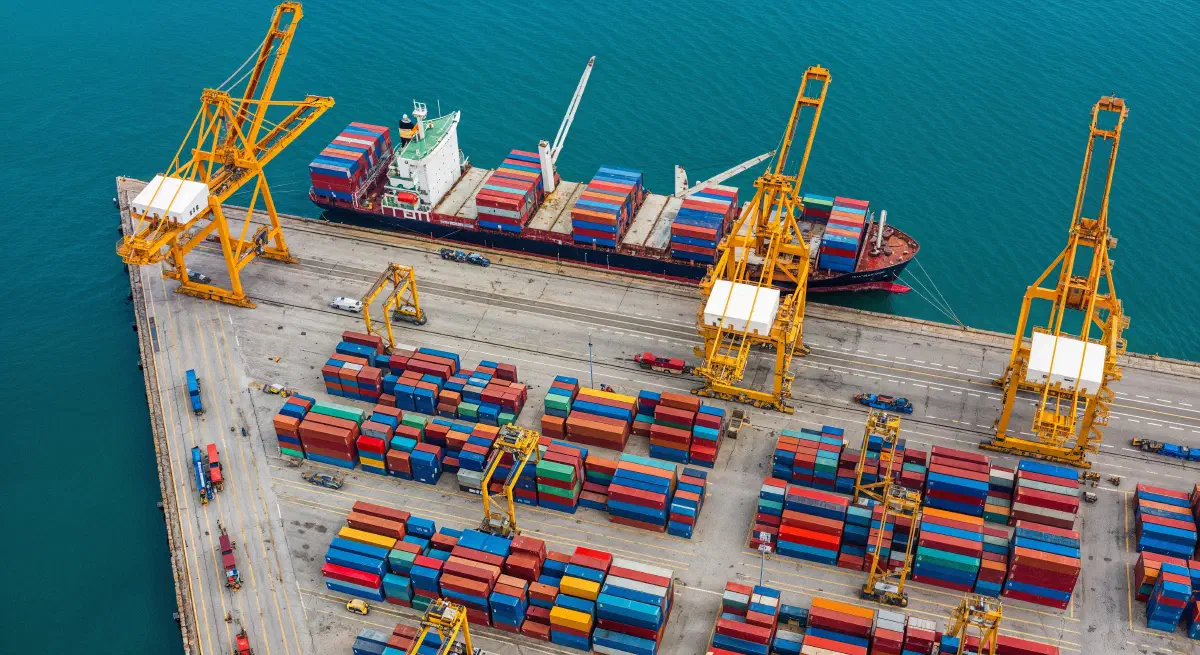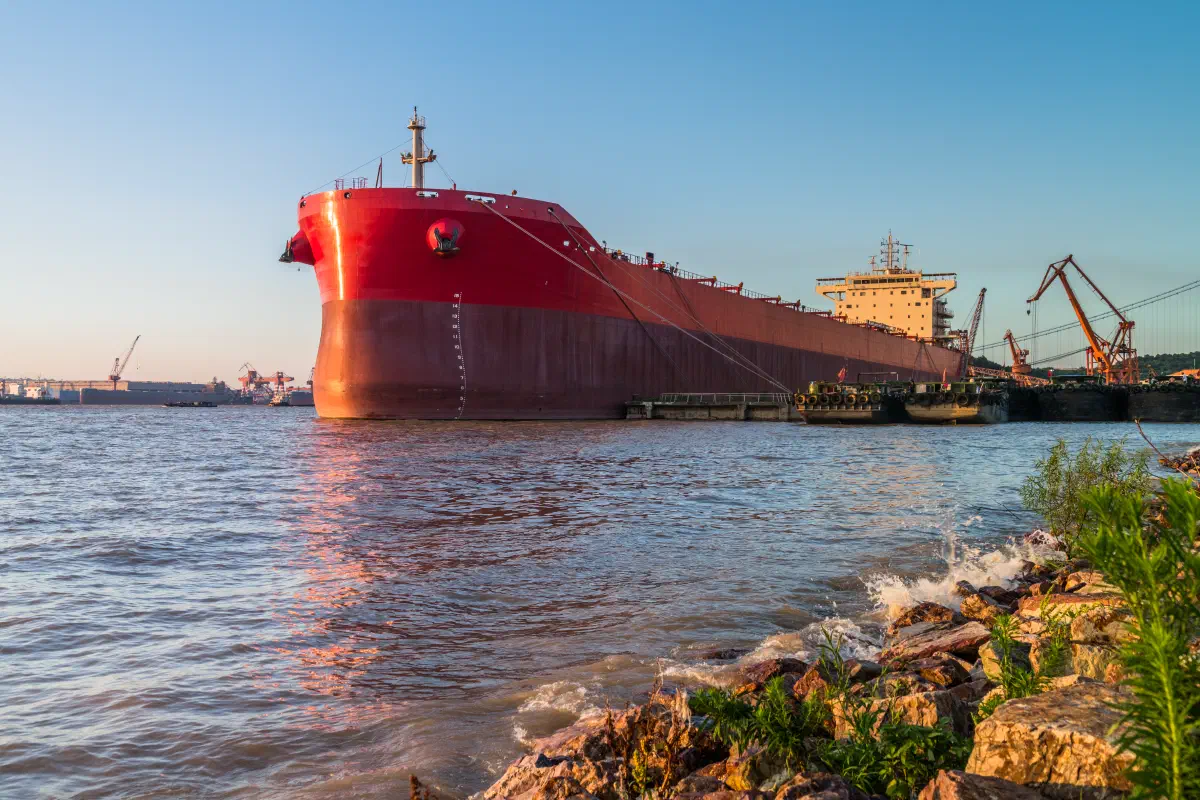
The national diesel average exceeded $6.28 per gallon on September 14, up nearly 69 cents in two weeks. That is not a slow, gradual climb. It is a spike that is already working its way through fuel surcharge tables, carrier cash-flow calculations, and bankruptcy risk across the trucking industry. For shippers who have not reviewed their fuel surcharge exposure since the summer, the numbers on your next freight invoices are going to look different from the ones you approved last month.

What is driving the spike
Two forces are pushing diesel higher simultaneously and neither is resolving quickly.
The first is a severe supertanker shortage that has raised the cost of moving crude from Houston to Asia to approximately $26 per barrel, closing some long-haul trading opportunities and pushing buyers toward nearer supplies and smaller vessels. When crude logistics costs rise, the price pressure transmits through the refinery chain and eventually into diesel pump prices.
The second is ongoing Strait of Hormuz disruption. The strait has been effectively closed to normal commercial traffic since February 2026, with daily transits running at just 3 to 4 crossings against a pre-crisis baseline of more than 60. The energy cost pressure from that closure has been building throughout the year. The recent spike suggests the cumulative effect of restricted crude flows is now transmitting more sharply into refined product prices than it had through the summer months.
The combination of both pressures arriving at the same time is what produced the 69-cent two-week jump rather than the gradual increase that had been the pattern through most of 2026.
How diesel prices translate directly to your freight costs
Fuel surcharges do not move in lockstep with diesel prices on a one-to-one basis. They move according to the fuel surcharge tables in your carrier contracts, which are typically indexed to a published diesel price benchmark and adjusted weekly or monthly depending on your agreement.
When diesel rises 69 cents in two weeks, two things happen at once. Carriers whose surcharge tables are indexed to weekly diesel updates will pass the increase through almost immediately. Carriers with monthly update cycles will hold the previous rate until their next update, then pass through the full accumulated increase in a single adjustment.
For shippers with multiple carriers under different surcharge table structures, the increases may arrive at different times and in different amounts, which makes them easy to miss individually and harder to track as a pattern. The practical result is that your effective all-in freight cost per shipment is rising faster than your base contract rate suggests, and the gap between what you budgeted and what you are paying is widening every week that diesel stays elevated.
This is also where billing errors become more expensive. When fuel surcharge calculations are already complex, a surcharge applied against the wrong diesel index or calculated at an outdated table rate is harder to catch and represents a larger dollar error than it would in a lower-diesel environment. A systematic freight audit process that checks surcharge calculations on every invoice is more valuable at $6.28 diesel than it was at $4.00 diesel.
The carrier bankruptcy risk this creates
Elevated diesel is not just a cost-pass-through problem for shippers. It is an existential pressure for smaller carriers who cannot absorb fuel cost spikes while simultaneously managing high insurance costs, equipment financing, and regulatory compliance requirements.
Truckload executives confirmed this week that the industry’s capacity contraction remains in its early stages, as regulatory enforcement, high diesel prices, insurance costs, and tighter carrier-selection standards continue removing operators from the market. When diesel spikes 69 cents in two weeks, smaller carriers face an immediate cash-flow crunch. Fuel is paid at the pump on every load but fuel surcharge revenue arrives on the payment terms of each freight invoice, typically 30 to 45 days later. That lag is manageable when diesel is stable. When it spikes sharply, the gap between fuel expense and surcharge recovery can create the kind of cash pressure that triggers bankruptcy filings.
The carrier bankruptcies of July and August happened against a backdrop of diesel around $5.35 per gallon. At $6.28 per gallon the cash-flow pressure on marginal carriers is materially higher. Shippers who have not confirmed the financial health of the carriers in their routing guide since the summer are operating with carrier-stability assumptions that may no longer be accurate.
What to do right now
Review your fuel surcharge tables immediately.
If your contracted surcharge tables were set in a period when diesel was materially lower, the rate you are paying under those tables may not reflect current diesel levels accurately. Confirming the specific diesel index your contracts reference and checking the current rate against that index tells you where you stand.
Audit recent invoices for surcharge accuracy.
In a rapidly moving diesel environment, carriers applying surcharges from outdated tables or against incorrect index references create billing errors that compound quickly across high-volume freight programs. Pull the last 30 days of invoices and verify the surcharge calculation methodology.
Confirm the stability of your highest-volume carriers.
If diesel stays above $6.00 per gallon through October, the carrier base will continue to contract as smaller operators face cash-flow pressure. Knowing that the carriers in your routing guide are financially stable, actively operating, and not under compliance scrutiny is more urgent than it was in August.
Build diesel cost variability into your Q4 freight budget.
If Q4 freight budgets were set when diesel was in the $5.00 to $5.50 range, they need to be revised upward. At $6.28 per gallon the effective all-in freight cost is meaningfully above what those budgets assumed. Surfacing that gap now, rather than in November when the variance is already baked into the P&L, gives finance teams more options for managing it.
At HighQ Logistics, we conduct freight auditing as part of how we manage freight programs, checking fuel surcharge calculations against contracted tables on every invoice before payment is made. If you want to understand what current diesel levels are doing to your effective freight cost, talk to the HighQ team or get a freight quote.
Diesel hit $6.28 per gallon on September 14, up nearly 69 cents in two weeks, driven by supertanker shortages and sustained Strait of Hormuz disruption. That spike is already transmitting into freight invoices through fuel surcharge adjustments and is adding to the cash-flow pressure on smaller carriers already stressed by high insurance costs and regulatory enforcement. Shippers who review their surcharge tables, audit recent invoices, confirm carrier stability, and revise Q4 freight budgets now will have fewer surprises than those who absorb the increase passively and discover the cumulative impact at year-end.
Frequently Asked Questions
How high is diesel right now and why does it matter for freight?
The national diesel average exceeded $6.28 per gallon on September 14, 2026, up nearly 69 cents in just two weeks. Diesel is the primary fuel for commercial trucking and flows directly into freight costs through fuel surcharge mechanisms in carrier contracts. When diesel rises sharply in a short period, fuel surcharges increase on every shipment and the carrier cash-flow pressure from the spike can drive further carrier exits from an already contracting market.
What is causing the diesel price spike in September 2026?
Two forces are converging. A severe supertanker shortage has raised the cost of moving crude from Houston to Asia to approximately $26 per barrel, disrupting normal crude logistics and pushing prices higher. Simultaneously, the Strait of Hormuz remains effectively closed to commercial traffic with daily transits down to just 3 to 4 crossings, creating sustained pressure on global energy supply chains that is now transmitting more sharply into refined product prices.
How does a diesel spike translate into higher freight invoices?
Fuel surcharges in freight contracts are indexed to published diesel price benchmarks and adjusted on weekly or monthly cycles depending on the specific agreement. When diesel rises sharply, carriers with weekly adjustment cycles pass the increase through almost immediately, while monthly cycles deliver the accumulated increase in a single larger adjustment. Shippers with multiple carriers under different surcharge structures may see increases arriving at different times and in different amounts, making the total impact harder to track without a systematic audit process.
Why does high diesel increase carrier bankruptcy risk?
Diesel is paid at the pump on every load but fuel surcharge revenue arrives on freight invoice payment terms, typically 30 to 45 days later. When diesel spikes sharply, smaller carriers face an immediate cash-flow gap between fuel expense and surcharge recovery. Combined with high insurance costs, equipment financing, and regulatory compliance requirements, that cash-flow pressure can push marginal carriers into bankruptcy. The carrier bankruptcies of July and August occurred at lower diesel prices than the current $6.28 per gallon level.
What should shippers check on their freight invoices right now?
Review the diesel index your carrier contracts reference and confirm that recent invoices are applying surcharges based on the current diesel price at that index rather than an outdated rate. In a rapidly moving diesel environment, carriers applying surcharges from stale tables create billing errors that compound across high-volume programs. Verifying the surcharge calculation methodology on recent invoices identifies overpayments before they accumulate further.
How should Q4 freight budgets be adjusted for current diesel levels?
If Q4 freight budgets were built when diesel was in the $5.00 to $5.50 range, they are likely understating actual freight cost by a meaningful margin at current $6.28 per gallon levels. The gap between budgeted and actual fuel surcharge costs needs to be quantified against current diesel levels and your specific carrier surcharge table structures. Surfacing that gap now gives finance teams the opportunity to adjust forecasts before the variance accumulates through the quarter.
How does high diesel connect to the broader Q4 freight market outlook?
Elevated diesel adds to the cost pressure on a carrier base that is already contracting due to regulatory enforcement, high insurance costs, and equipment financing challenges. As smaller carriers exit under combined financial pressure, the available capacity pool shrinks further, which adds upward pressure to spot rates on top of the direct fuel surcharge increase. The Q4 freight market is therefore facing both a direct cost increase from diesel and an indirect capacity tightening effect from diesel-driven carrier exits.