Drayage and Intermodal Are Not the Same Thing
These two terms get used interchangeably in freight conversations constantly, and it causes real confusion. A shipper asks for help with intermodal and the broker assumes long-haul rail. Another shipper asks about drayage and the conversation drifts toward port congestion when what they actually needed was a container moved forty miles from a rail ramp to their warehouse. The confusion is understandable because the two concepts are closely related, but they are not the same thing, and mixing them up leads to misquoted shipments, wrong equipment, and cost surprises nobody wants.

Here is where the confusion starts
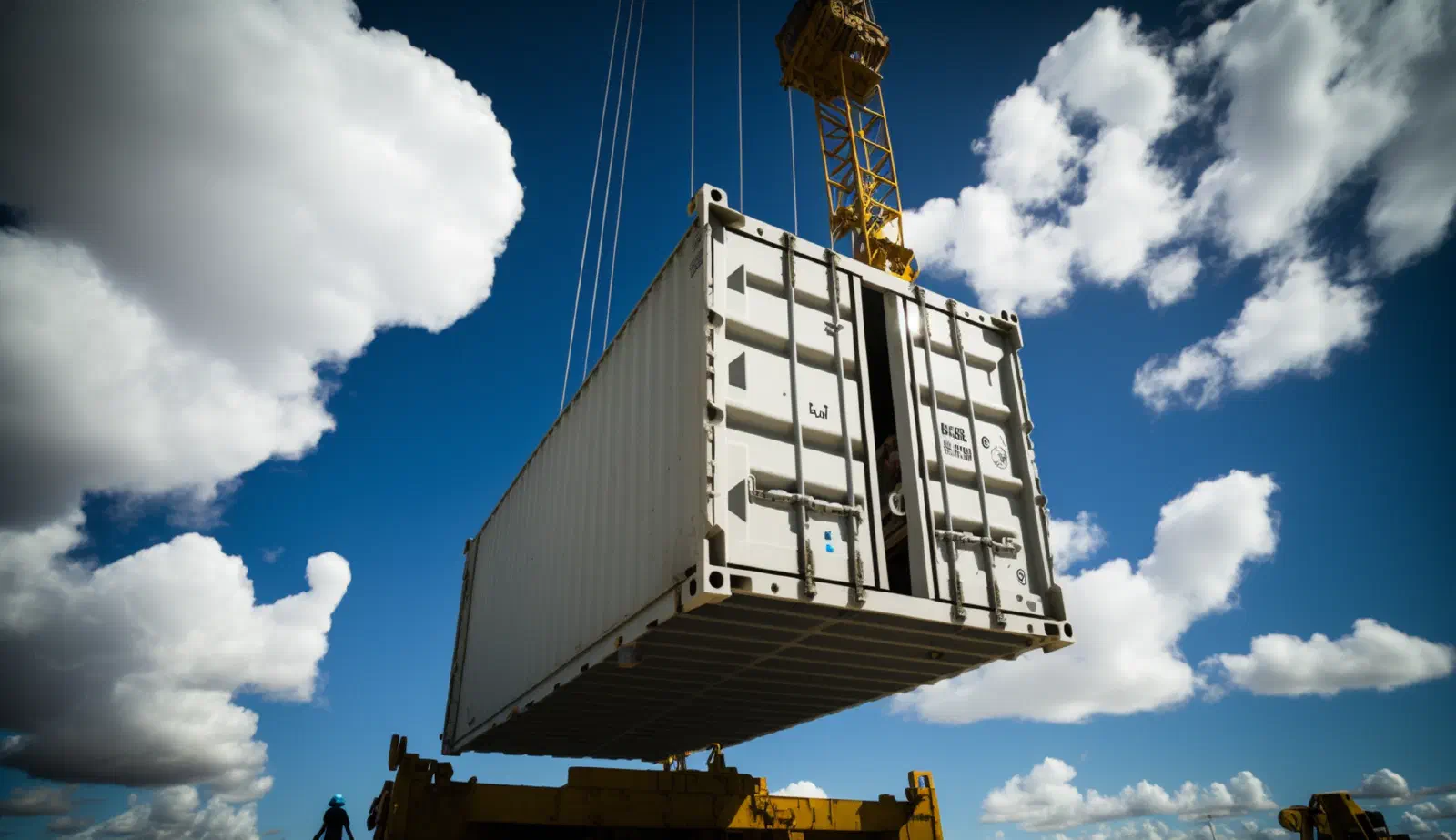
Drayage is a truck move. Specifically, it is a short-distance truck move of a container between two nodes in a supply chain, most commonly a port, a rail ramp, or a distribution center. The container gets picked up at one point and delivered to another point nearby, typically within fifteen to one hundred miles. That is the entire job.
What makes drayage complicated is everything around the move itself. Port appointments, container availability, chassis access, terminal congestion, dwell time limits, demurrage and per diem charges that start accruing the moment a container sits too long. Drayage drivers are specialists who work in and out of specific terminals regularly and know those environments in a way a standard over-the-road carrier does not. The move is short and the coordination around it requires real attention.
Drayage is quoted per move, not per mile. A move from a port terminal to a warehouse ten miles away and a move to a warehouse sixty miles away might cost completely different amounts depending on the terminal, the chassis situation, the appointment window, and what is happening at that port on that particular day.
Intermodal, by contrast, is a transportation strategy. It means your freight travels via more than one mode of transport within the same journey, and in the domestic US context that almost always means a combination of truck and rail. A truck picks up your container from the origin and carries it to a rail terminal. The container loads onto a train and travels the long-haul portion of the journey. At the destination city the container comes off the train at another rail ramp and a truck picks it up for final delivery. The freight stays in the same sealed container throughout without being touched or rehandled.
Take two real scenarios to see how this plays out. A container sitting at the Port of Long Beach that needs to get to a distribution center in Los Angeles is a drayage move. Thirty miles, probably same day, quoted as a flat rate from the terminal to the address. Intermodal is not involved. That same container travelling from Los Angeles to Chicago is a different story. A logistics partner would carry it by drayage truck to the BNSF ramp in Los Angeles, move it by train to Chicago, and deliver it by another drayage truck from the rail ramp to the warehouse. The drayage happens at both ends. The rail move happens in the middle.
When the short move is all you need
Port terminals impose free time limits after which demurrage charges begin accumulating, sometimes at several hundred dollars per day. A drayage carrier who knows the terminal, has the right chassis equipment, and can navigate the appointment system is not a commodity. They are the difference between picking up a container on time and paying several days of demurrage fees while waiting for a carrier unfamiliar with the port. The same applies when a container arrives at a domestic rail ramp. Rail terminals have their own free time limits and their own congestion challenges, and missing that pickup window carries the same cost consequences.
When rail changes the economics entirely
Intermodal makes sense when freight needs to travel a long distance and there is some flexibility on transit time. The cost advantage over direct truckload is real and meaningful, typically ten to forty percent or more on lanes over five hundred miles, and rail service reliability has improved enough in recent years that the transit time gap with truckload has narrowed considerably.
The key variables are distance, transit flexibility, and how close your origin and destination are to rail terminals. The savings from intermodal come from the rail linehaul portion of the move. The closer your facilities are to rail ramps, the shorter the drayage legs at each end, and the better the total economics of the intermodal option look. A shipper in Chicago whose warehouse is six miles from a major BNSF ramp is in an excellent position to capture intermodal savings. A shipper whose facility is eighty miles from the nearest rail terminal has longer drayage moves eating into those savings before the math even gets to the rail portion.
For lanes under three hundred miles, direct trucking is almost always the better choice because there is not enough rail linehaul to offset the time and coordination involved at both ends. On a fifteen-hundred-mile lane the savings are substantial and the case for intermodal is strong.
The transit time trade-off is typically one to two additional days compared to direct truckload. For freight without a hard delivery deadline that is usually a reasonable exchange. For freight going into a retailer with a tight delivery window, or a production facility where a late arrival shuts down a line, the truckload premium is probably worth paying.
What a complete intermodal shipment actually costs
An intermodal rate has three components: origin drayage, rail linehaul, and destination drayage. All three should be included in any quote you are looking at. If the quote only covers the rail portion and leaves the drayage legs for you to arrange separately, you are not looking at a complete solution.
When origin drayage, rail booking, and destination drayage are managed separately by different providers who are not coordinating with each other, the handoffs between them are where delays and unexpected charges happen. A container that arrives at the rail ramp before the drayage carrier can pick it up starts accumulating rail terminal charges. A container sitting at the origin waiting for a drayage carrier misses the rail departure window and adds a day to the transit time. A single coordinated provider manages all three components as one shipment and is accountable for all of it.
How far is the freight moving
Under one hundred miles and you are talking about drayage. Find a carrier who knows the specific terminal your container is coming out of, confirm they have the right chassis equipment, and make sure they understand the appointment requirements at that facility.
Over five hundred miles with some transit flexibility and intermodal is worth comparing against direct truckload. Get both quotes and look at the all-in cost including both drayage legs, not just the rail linehaul rate.
Somewhere in between, or if the freight is time-sensitive regardless of distance, direct trucking is usually the cleaner answer.
At HighQ Logistics we handle both drayage and intermodal and coordinate the full container journey from port or rail ramp through to final delivery. If you have a container move coming up and want to understand which option fits, get a freight quote and we will give you a straight answer based on where your freight is actually going.
Frequently Asked Questions
What is the difference between drayage and intermodal shipping?Drayage is a short truck move of a container between a port, rail terminal, or distribution center. Intermodal is a long-haul strategy combining truck and rail. Drayage handles the first and last mile of every intermodal journey. They are not competing options for the same problem.
Is drayage part of intermodal shipping?Yes. Every domestic intermodal shipment needs two drayage moves, one to get the container to the origin rail ramp and one to deliver it from the destination rail ramp. A complete intermodal quote covers all three components: origin drayage, rail linehaul, and destination drayage.
When does intermodal make more sense than truckload?On lanes over five hundred miles where transit time has some flexibility. The savings are most significant on longer hauls where rail makes up most of the journey. Under three hundred miles, direct trucking is almost always more practical.
Why is drayage more complicated than it looks?The move is short but the terminal environment is not simple. Appointment systems, free time limits, demurrage charges, and chassis availability all require active management. A carrier who works a specific terminal regularly navigates these efficiently. One who does not can cost you several days of demurrage fees on a single container.
How is drayage priced?Per move, not per mile. Rates depend on the terminal, delivery distance, chassis availability, and current port or rail ramp conditions. Drayage rates are more stable than truckload spot rates and typically update annually.
How much longer does intermodal take than truckload?One to two additional days on most lanes. The gap narrows on longer hauls where rail covers most of the distance. For freight without a hard delivery deadline, that trade-off is usually worth the cost savings.
Is it better to use one provider for both drayage and intermodal?Yes. Separate providers managing each leg independently create handoff gaps where delays and unexpected charges accumulate. One provider coordinating the full move is accountable for all of it from start to finish.