Shipping Freight to Hawaii: What Businesses Must Know
Shipping freight to Hawaii is one of the most logistically complex domestic routes in the United States. Hawaii sits approximately 2,400 miles from the California coast, is accessible only by air or ocean, and operates under a unique set of federal maritime regulations that directly affect how cargo moves, who can carry it, and what it costs. For businesses that need to move commercial freight to the islands, understanding how this lane works before your first shipment leaves the dock will save you from significant and avoidable surprises.
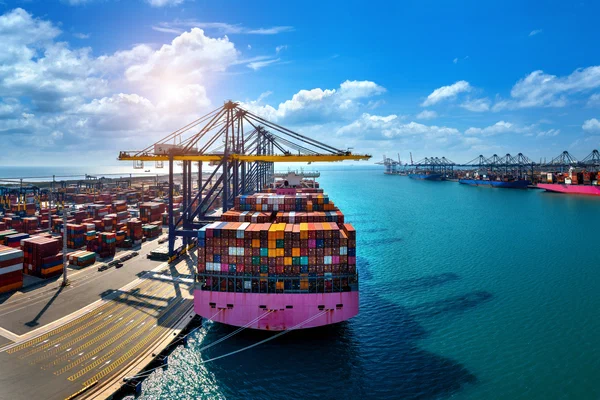
Why Hawaii Freight Is Different From Any Other Domestic Route
Most domestic freight moves on a continuous network of roads and rail. Hawaii does not work that way.
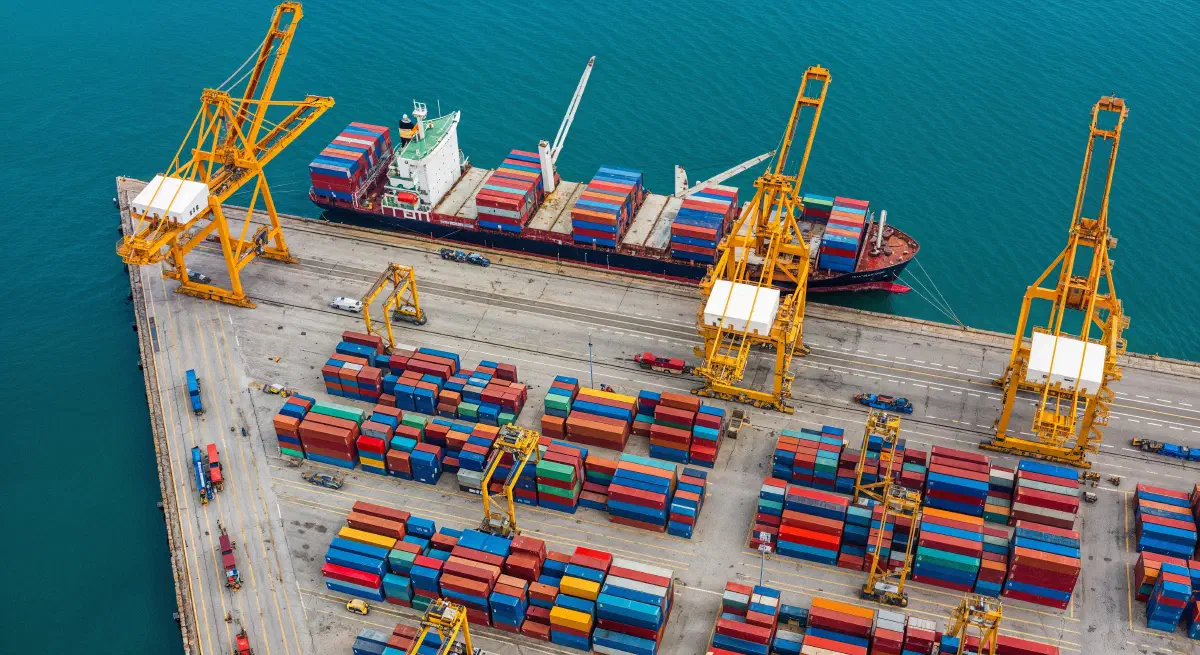
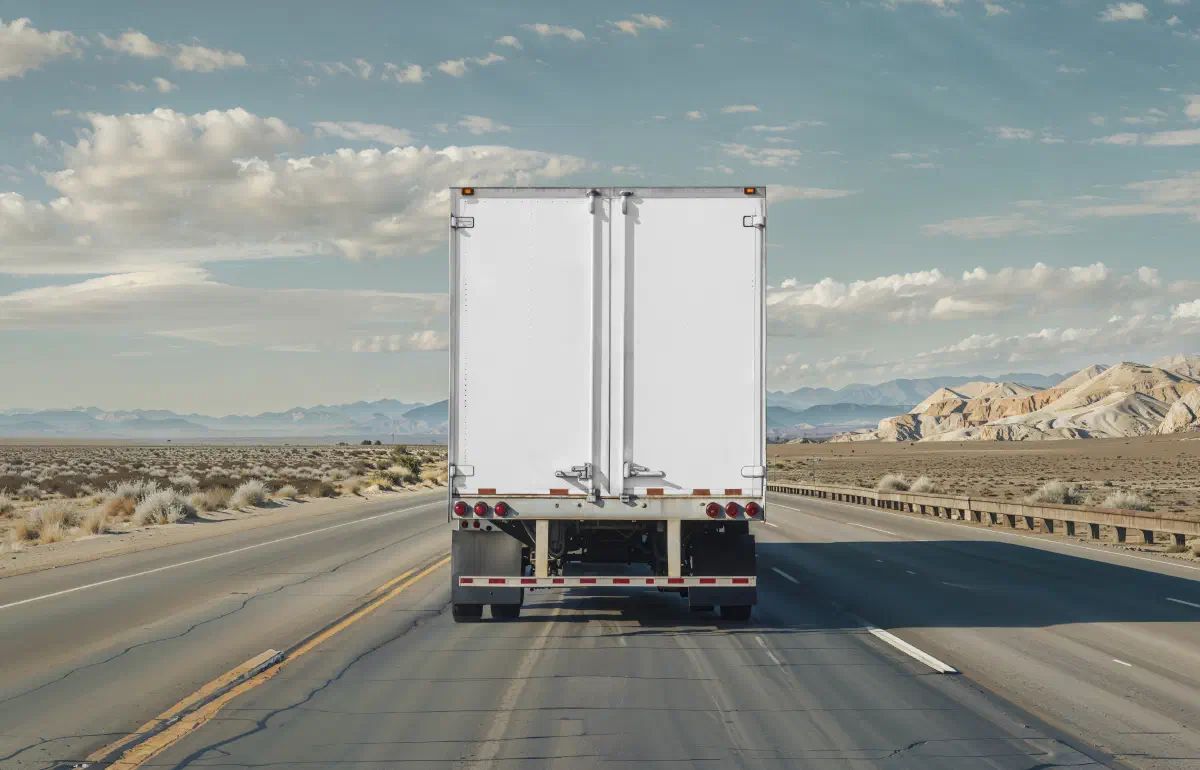
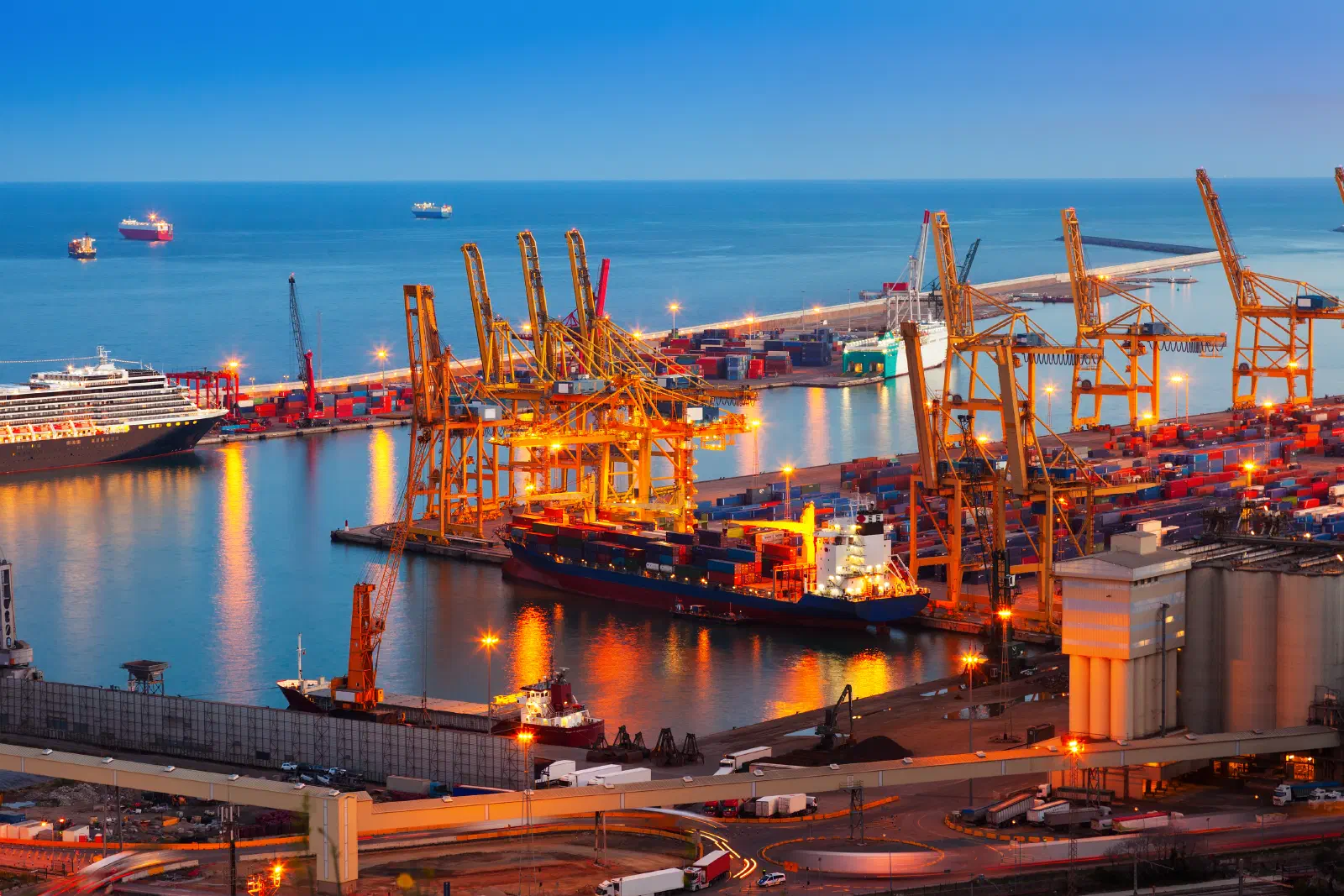
Shipping to Hawaii means dealing with a state composed of various islands where population centers are separated by water, necessitating multi-modal deliveries of cargo and materials. Every commercial shipment from the mainland to Hawaii requires at minimum two separate legs: an overland trucking move to a West Coast port, and an ocean crossing to one of Hawaii’s ports of entry. That multi-modal structure adds cost, coordination complexity, and transit time to every shipment.
The Jones Act and What It Means for Your Costs
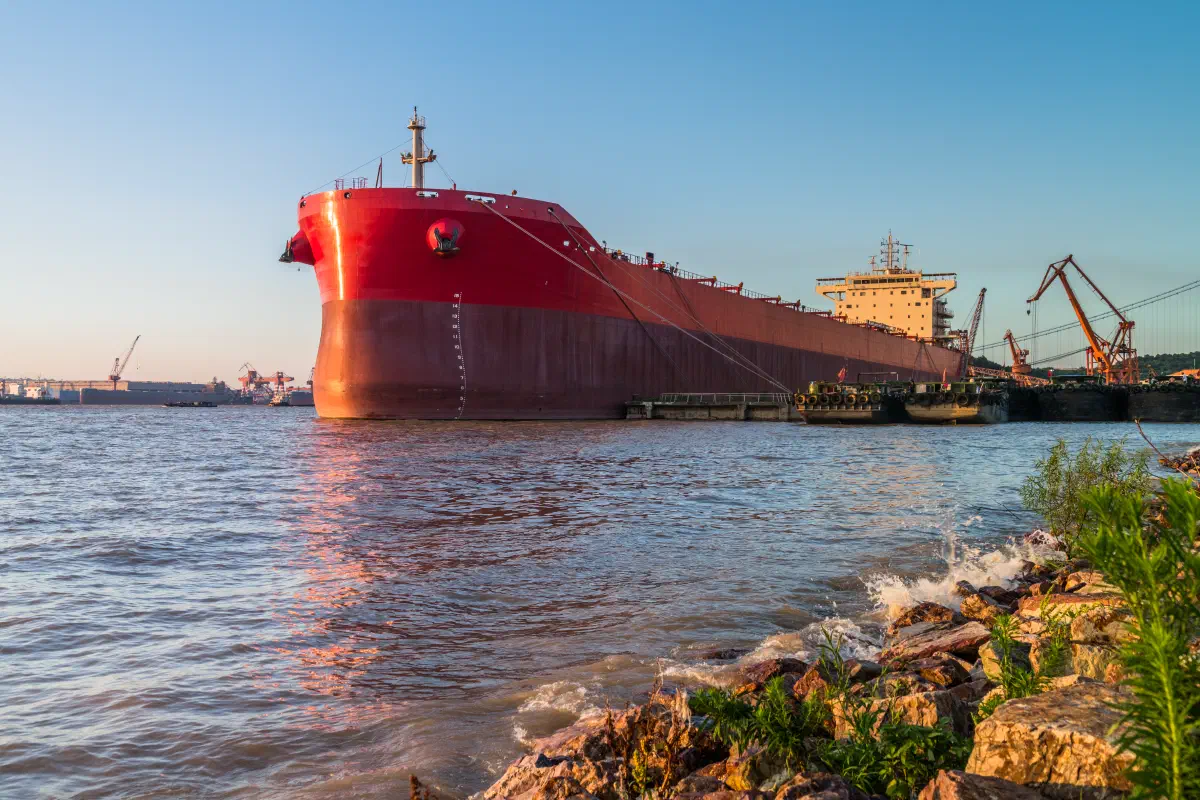
The single most important factor shaping Hawaii freight costs is the Merchant Marine Act of 1920, known as the Jones Act. The Jones Act requires that all vessels shipping goods between two U.S. ports be built, owned, registered, and crewed in the United States. This limits the number of ocean carriers qualified to serve the mainland-to-Hawaii route, reducing competition and resulting in higher shipping costs than you would see on a comparable international lane.
The two primary carriers serving the mainland-to-Hawaii trade lane are Matson Navigation and Pasha Hawaii. Both operate Jones Act-compliant vessels on regular weekly sailings from West Coast ports to Honolulu. This is not a workaround situation. It is the structure of the market, and planning around it accurately from the start is the difference between a smooth shipment and a costly one.
Jones Act companies are required to comply with all U.S. laws including tax, immigration, and labor standards. As a shipper, this means any carrier moving your freight operates under a consistent and regulated framework, which matters for reliability and accountability across a route this long.
How Hawaii Ocean Freight Is Actually Priced
Unlike standard domestic LTL freight which is priced by weight and freight class, Hawaii ocean freight is priced primarily by cubic volume. Published ocean freight rates from Los Angeles or Oakland to Honolulu include mainland and Hawaii wharfage charges, terminal handling charges, Hawaii invasive species fees, and fuel surcharges. Freight moving to neighbor islands including Maui, Hilo, Kona, and Kauai carries a higher rate than Honolulu, with a separate inter-island leg added from there.
What this means in practice is that two shipments with identical weights can price very differently depending on how much space they occupy in the container. Shippers who understand this distinction budget more accurately and avoid the most common invoice surprise on this lane.
What Drives the Cost of Your Hawaii Shipment
Hawaii freight costs vary significantly depending on your origin, shipment volume, destination island, and service requirements. Rather than quoting a number that may not reflect your specific freight, it is more useful to understand what drives the cost so you can plan accurately.
Origin point. Freight originating on the East Coast or in the Midwest requires a full cross-country trucking move to a West Coast port before ocean transit begins. That inland leg is a meaningful cost component that shippers in those regions need to factor in from the start.
Cubic volume. Because Hawaii ocean freight is priced by cubic foot rather than weight, the physical size of your packaged freight matters as much as how heavy it is. Efficient packaging that reduces unnecessary void space can have a direct impact on what you pay.
Destination island. Oahu is the most cost-effective destination because it receives direct vessel calls. Freight destined for Maui, the Big Island, Kauai, or the smaller islands requires an additional interisland barge leg through Young Brothers, which adds both cost and transit time. Inter-island freight rates increased significantly effective January 1, 2026, making this a factor worth understanding before you quote delivery costs to Hawaii customers outside Honolulu.
Service level and accessorials. Residential delivery, liftgate requirements, inside delivery, and hazardous material handling all add to the total. These accessorial categories apply across multiple legs on a Hawaii shipment, not just one, which means they compound in a way that standard domestic freight does not.
Consolidation vs. dedicated container. Smaller shipments that consolidate with others into a shared container are priced differently from full container load bookings. The right model depends on your volume and how time-sensitive your delivery window is.
The 2026 Rate Increases Already in Effect
Effective January 4, 2026, the ocean carriers servicing Hawaii announced their annual pricing adjustments. Hawaii ocean freight rates increased per westbound container. The Terminal Handling Charge increased for westbound containers to Oahu and by a higher amount per container to neighbor islands. The Hazardous Ocean Surcharge and Stop-in-Transit Surcharge also increased. These adjustments apply to every commercial shipper moving freight to Hawaii in 2026 and sit on top of base rate calculations.
How the Hawaii Freight Process Works
Whether you choose door to door or port to door service, every commercial Hawaii freight shipment follows the same core sequence.
Origin pickup. Your freight is collected from your facility and moved to a West Coast port. The primary departure ports for Hawaii-bound cargo are Los Angeles and Oakland.
Port receiving and container loading. Your cargo is received at the port, verified, and loaded into an ocean container. Full container load and less-than-container-load options are both available depending on your volume.
Ocean transit to Hawaii. The container ships from the West Coast port to Honolulu. Ocean transit typically takes five to seven days. Freight destined for neighbor islands requires an additional interisland barge leg handled by Young Brothers after arrival in Honolulu.
Port clearance and delivery. Once the container arrives in Hawaii it clears port and moves to the final destination. For door to door shipments, HighQ coordinates the final-mile delivery to your Hawaii address. For port to door arrangements, freight is released to your designated receiver at the port of arrival.
Door to Door vs. Port to Door
HighQ Logistics offers both service models and the right choice depends on your operational setup on the Hawaii side.
Door to door means HighQ manages the entire journey from your mainland facility to the final delivery address in Hawaii. We coordinate the inland trucking to the West Coast port, book the ocean carrier, manage port receiving and container loading, track the shipment across the ocean, handle Hawaii port clearance, and coordinate the final delivery to your recipient. One point of contact for the entire move, regardless of how many handoffs happen behind the scenes.
Port to door means HighQ manages the mainland-to-port leg and the ocean crossing, and releases the freight to your designated receiver at the Honolulu port of arrival. This works well for businesses that already have distribution or drayage relationships established in Hawaii and want to handle the final leg themselves.
For most businesses shipping to Hawaii for the first time, door to door removes the most uncertainty. You do not need to build Hawaii-side relationships, manage port clearance documentation, or coordinate separately with local delivery carriers. HighQ handles all of it.
What Makes Hawaii Freight Coordination Complex
Several factors make this lane more technically demanding than standard domestic shipping.
Agricultural inspection requirements. Hawaii’s Department of Agriculture requires every container to be opened and inspected at the port of arrival. Fresh fruits, certain plants, soil, and live animals without permits cannot be shipped. Accurate commodity description on your bill of lading is essential. Errors result in additional charges or delays that are difficult to recover from once freight is already in transit.
Ocean carrier sailing schedules. Hawaii-bound freight operates on fixed weekly sailing schedules, not on-demand trucking. Missing a cutoff means waiting for the next sailing, which can add five to seven days to your delivery timeline. Planning with adequate lead time is not optional on this lane.
Bill of lading accuracy. A bill of lading is a legal contract that must indicate the exact commodity class, weight, and mainland destination accurately. Failure to do so can result in additional charges, and the final determination of commodity class will be made by the ocean freight provider. Getting this right at booking protects you from corrections that appear on the invoice after the freight has moved.
Neighbor island complexity. Freight destined for Maui, Kauai, the Big Island, or the smaller islands requires a separate Young Brothers inter-island barge booking beyond the Honolulu port arrival. HighQ coordinates this leg for door to door shipments, removing a coordination burden that is genuinely difficult for mainland shippers to manage independently.
Final Takeaway
Shipping freight to Hawaii requires multi-modal coordination, accurate documentation, and precise scheduling around ocean carrier sailings. The costs are real, the complexity is real, and the consequences of getting either wrong are expensive. The right logistics partner manages every leg of the journey transparently and builds a complete picture of your total cost before the freight moves, not after.
At HighQ Logistics, we manage Hawaii freight door to door and port to door for commercial shippers across the United States. If you want to know exactly what your Hawaii shipment will cost before it moves, request a freight quote and we will build it out component by component. Or reach out to the HighQ Logistics team directly to talk through your requirements.
Frequently Asked Questions
Can you ship commercial freight from the mainland to Hawaii?
Yes. Commercial freight moves regularly between the U.S. mainland and Hawaii by ocean via Jones Act-compliant carriers. The process involves an inland trucking leg to a West Coast port, an ocean crossing of five to seven days, and a final delivery leg on the Hawaii side. HighQ Logistics manages the entire process door to door or port to door depending on your needs.
How is Hawaii ocean freight priced differently from standard domestic freight?
Standard domestic LTL freight is priced by weight and freight class. Hawaii ocean freight is priced primarily by cubic volume, meaning the physical size of your packaged shipment determines the cost as much as its weight. Two shipments with identical weights can price very differently depending on how much container space they occupy.
What is the Jones Act and why does it affect Hawaii shipping costs?
The Jones Act requires that all cargo shipped between two U.S. ports travel on vessels that are built, owned, registered, and crewed in the United States. This limits the number of ocean carriers qualified to serve the mainland-to-Hawaii route, reducing competition and resulting in higher freight rates than comparable international lanes.
How long does it take to ship freight from the mainland to Hawaii?
Total transit time typically runs ten to twenty-one days depending on your origin point and destination island. Ocean transit from a West Coast port to Honolulu takes approximately five to seven days. The inland trucking leg from your origin to the departure port and the final delivery in Hawaii add to that timeline. Freight destined for neighbor islands requires an additional inter-island barge leg through Young Brothers.
What is the difference between door to door and port to door Hawaii freight service? Door to door service means HighQ manages the entire journey from your mainland facility to the final delivery address in Hawaii, coordinating every handoff along the way. Port to door means HighQ manages the mainland and ocean legs and releases the freight to your designated receiver at the Hawaii port of arrival, with you handling final delivery from the port.
Are there restrictions on what can be shipped to Hawaii?
Yes. Hawaii has strict agricultural inspection requirements and every container is now opened and inspected at the port of arrival. Fresh fruits, certain plants, soil, and live animals without permits cannot be shipped. Hazardous materials and certain chemicals carry additional surcharges and documentation requirements. Accurate commodity description on your bill of lading is essential to avoid reclassification fees or inspection delays.
Why does shipping to neighbor islands cost more than shipping to Honolulu?
Freight arriving in Honolulu destined for Maui, the Big Island, Kauai, or the smaller islands requires a separate inter-island barge booking through Young Brothers after it clears the Honolulu port. This is an additional leg with its own scheduling, documentation, and cost. Inter-island freight rates increased significantly effective January 1, 2026, making this an important factor for any shipper distributing across multiple Hawaii islands.