Peak Shipping Season 2026: How to Prepare Now
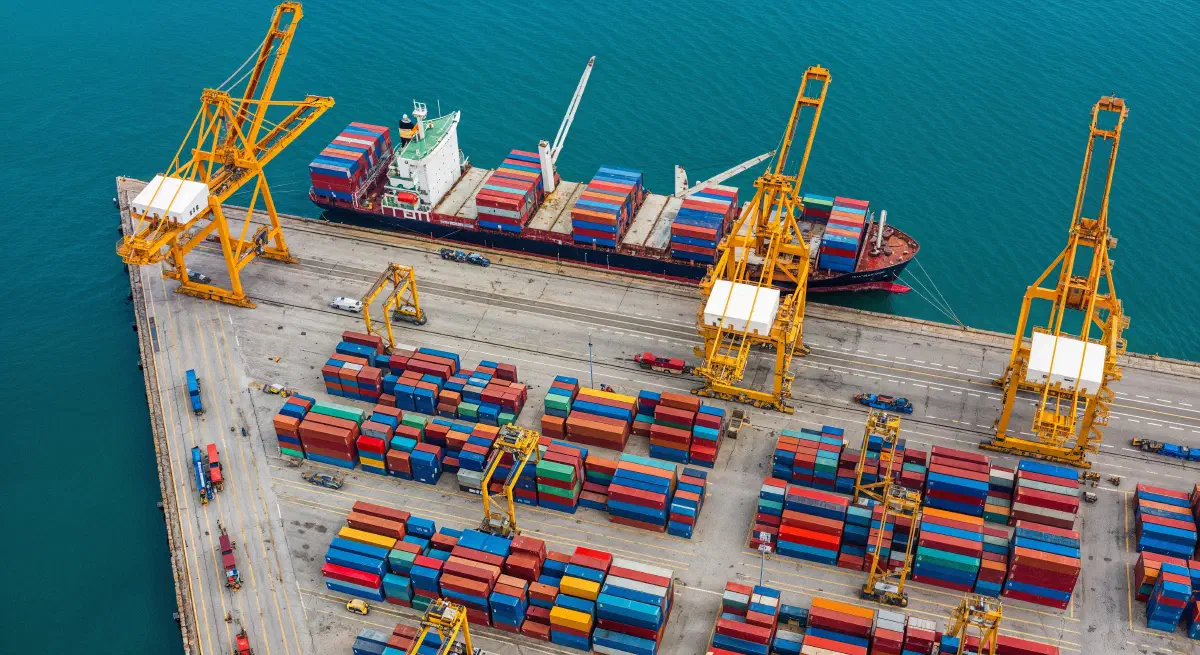
If you are waiting for the traditional late-summer signal to start planning your peak season freight, you have already missed the window. Peak shipping season 2026 is not following the seasonal calendar that most shippers built their plans around. It arrived early, stacked on top of a freight market that was already historically tight, and is now running at a pace the industry has not seen in years.

Why Peak Season 2026 Is Different
Every year, freight demand builds through the summer, peaks in Q4, and eases in early January. That pattern has held for decades and most freight budgets, carrier contracts, and inventory plans are built around it. In 2026, that pattern has broken.
Spot rates out of Asia have climbed as much as 192 percent since late February, an early peak season is pulling freight forward, and vessels are booked solid into July. C.H. Robinson warned the market will likely get worse for shippers before it improves, noting that peak season has started early and is shrinking the window to secure preferred sailings.
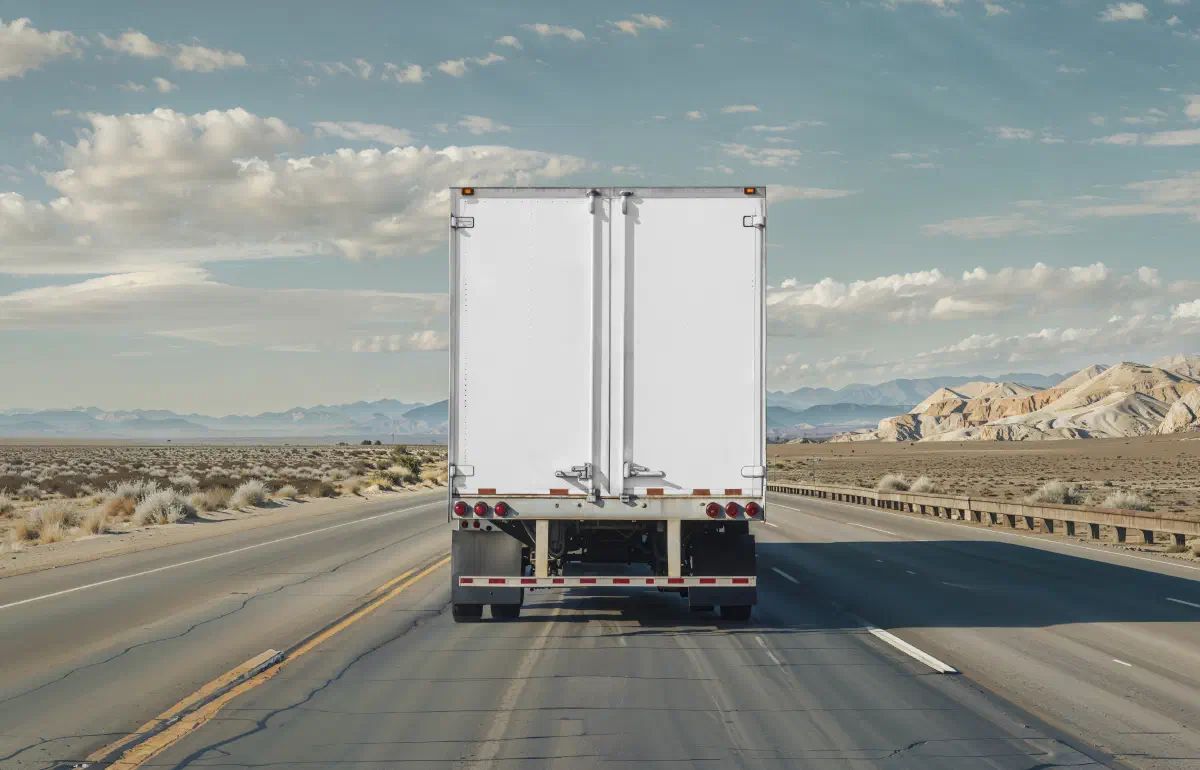
On the domestic side, the picture is equally compressed. Spring and summer are not a single surge. They are a series of overlapping freight drivers that tighten capacity, push rates up, and compete for the same trucks across multiple industries at the same time. Produce season absorbs reefer capacity fast from April through August. Construction pulls flatbed tight nationwide. Retailers restock for summer goods and back-to-school simultaneously.
All of these pressures were already in place before the broader market tightened. Now they are compounding on top of record spot rates, historically elevated tender rejections, and a carrier capacity pool that has been shrinking for months.
What Is Driving the Early Peak
Several forces converged in 2026 to pull peak season demand forward by weeks, and understanding them helps shippers plan the second half of the year more accurately.
Frontloading Ahead of Tariffs and Price Increases
An early peak season is driving container rates up as shippers frontload orders ahead of fuel surcharges, tariff changes, and July manufacturer price hikes. US retail inventories-to-sales ratios fell in April to their lowest level in more than three years, a signal that retailers are running thin and now need to refill, adding further momentum to the early surge.
The combination of tariff uncertainty and low inventory levels is pushing importers to move freight now rather than risk higher costs or stock-outs later. That behavior is self-reinforcing. The more shippers frontload, the tighter capacity gets, which encourages even more shippers to move early before options disappear.
The Strait of Hormuz Disruption
The US and Iran signed a memorandum of understanding to reopen the Strait of Hormuz, but ocean networks are not expected to fully recover until mid-September 2026. More than 500 ships are waiting to transit a strait that is no more than 21 miles wide at its narrowest point, meaning ships will have to clear one by one once traffic resumes. Shipping lines have been candid that they will wait a long time without problems before returning to ordinary transits.
The disruption has forced rerouting around the Cape of Good Hope, adding weeks of transit time to affected voyages and reducing effective fleet capacity globally. Even with a ceasefire agreement signed, the practical recovery of ocean schedules will take months, not days.
Record Domestic Capacity Tightness
Peak season is arriving into a domestic freight market that was already at historically tight levels before seasonal demand added any further pressure. Truckload spot rates hit all-time records in early June 2026, as covered in HighQ’s post on truckload rates 2026, with tender rejections exceeding 17 percent. The 2026 peak shipping season is already shaping up to be one of the most complex in recent years, with continued pressure on capacity and evolving supply chain patterns requiring shippers to start preparing immediately to avoid higher costs and service disruptions later in the year.
What Shippers Should Expect Through Q3 and Q4
Understanding the shape of this peak season helps shippers plan rather than react.
July and August will be the most pressured months of the summer period. The Summer and Back-to-School Rush running from July 1 through August 31 marks a massive surge in retail, apparel, and consumer electronics imports as brands stock up for the late-summer shopping season, consistently resulting in exceptionally high demand and upward pressure on spot rates. On the domestic side, reefer, flatbed, and dry van capacity will all remain constrained as produce, construction, and retail freight compete for the same trucks.
September brings some relief from summer peak drivers but bridges directly into Q4 preparation. Many brands begin holiday preparations earlier than ever. As early as September, fulfillment centers see spikes in inbound shipments for Q4, overlapping with the tail end of summer restocking activity.
October through December is the traditional Q4 peak, but 2026 will enter it from an elevated baseline rather than the softer conditions of recent years. The End-of-Year Holiday Rush running from October through mid-December represents the highest concentrated shipping volumes of the entire calendar year, with capacity historically at its tightest during this Q4 push. In 2026, that Q4 compression will stack on top of a market that has not had a meaningful capacity respite since early in the year.
The Modes Most Affected Right Now
Full Truckload and LTL
Domestic full truckload capacity is the most immediately affected mode. Managing freight costs in 2026 will be less about pushing rates lower and more about eliminating inefficiencies. Spot market volatility has become commonplace, and businesses that blend contract freight with on-demand capacity, including smaller fleets and owner-operators, recover faster when disruptions hit.
LTL freight is experiencing additional pressure as truckload capacity tightens and shippers shift volumes between modes. Carrier networks that were already running lean going into summer now face further demand as shippers look for alternatives to spot truckload.
Temperature Controlled
Reefer capacity is the tightest segment of the entire truckload market, as covered in HighQ’s post on the reefer capacity shortage 2026. Produce season runs April through August, absorbing reefer capacity fast as fresh goods move out of growing regions across the country. Shippers with temperature controlled freight should treat every reefer booking this summer as a high-priority capacity event requiring advance planning and contracted coverage.
Intermodal
Intermodal volumes are rising above historical averages as shippers shift freight from truckload due to higher fuel costs and structural pricing pressure. Stable rail service and widening cost gaps are accelerating modal conversion, especially on mid-length-of-haul lanes between 550 and 1,500 miles. For shippers with qualifying lanes and flexible transit windows, intermodal shipping is one of the most effective ways to reduce truckload exposure during peak season without sacrificing reliability.
Six Things Shippers Should Do Right Now
1. Book capacity earlier than you planned.
Last-minute shipments carry higher risk of delays or limited availability, especially on busy corridors. Booking freight earlier allows carriers to plan routes more efficiently, allocate equipment properly, and avoid unnecessary disruptions. The window to secure preferred coverage for July and August is closing faster than normal this year.
2. Review your routing guide before it fails.
With tender rejection rates above 17 percent nationally, contracted carriers are declining loads at historically high rates. Review which lanes carry the most rejection risk and identify backup carrier options before those lanes fail, not after.
3. Lock in contracted rates where possible.
Working with an asset-based carrier or securing contracted capacity early can help protect against seasonal disruptions. Spot market exposure is the most expensive position in a peak season this compressed. Even if contracted rates have increased from earlier in the year, locking them in now provides more predictability than the spot market will offer through Q3 and Q4.
4. Evaluate intermodal on your long-haul lanes.
For freight moving over 750 miles on lanes where transit time flexibility exists, intermodal offers meaningful cost savings against peak-season truckload rates. Run the comparison now while you still have time to transition lanes before the July surge peaks.
5. Build warehousing flexibility into your plan.
Warehouse overflow and inventory management are pushed to their limits as companies stockpile goods in anticipation of demand, leading to storage shortages, increased holding costs, and added pressure to move inventory out quickly. Shippers with access to flexible warehousing and distribution capacity through a 3PL partner can absorb inbound surges more effectively than those relying on fixed owned or leased space.
6. Tighten your freight audit process.
Peak season freight comes with more billing errors, more accessorial surprises, and more reclassification charges as networks strain under volume. A disciplined freight audit process catches those errors before they compound across hundreds of shipments during the busiest months of the year.
What a Good Logistics Partner Does During Peak Season
How common is cargo theft in 2026?Cargo theft has reached record levels in 2026. Estimated supply chain crime losses surged to nearly $725 million in 2025, a 60 percent increase from 2024, and the first quarter of 2026 alone recorded 767 supply chain crime events across the United States and Canada. The problem is growing in both frequency and sophistication.
What is strategic cargo theft and how is it different from physical theft?Strategic cargo theft uses deception rather than force. Criminals impersonate legitimate carriers, brokers, or shippers using stolen credentials, spoofed emails, fake documents, and compromised systems to convince shippers or brokers to voluntarily hand over freight. The load often leaves the dock on what looks like a legitimate truck before anyone realizes something is wrong.
What is double brokering in freight?Double brokering happens when a criminal poses as a legitimate carrier, accepts a load from a broker, and then re-brokers it to an unsuspecting real carrier while keeping the payment. The freight may or may not arrive, and the shipper is left dealing with two parties who both have legitimate-looking claims on the load.
How do criminals use carrier identity theft to steal freight?Criminal groups acquire or compromise the FMCSA operating credentials of legitimate carriers, including MC numbers, DOT numbers, and insurance filings. They then use those credentials to accept loads through normal channels. Standard verification checks confirm the authority is active but cannot confirm who is actually controlling it, which is how the fraud gets through.
Which types of freight are most targeted by cargo thieves?Electronics, pharmaceuticals, food products, consumer goods, and temperature-controlled freight are the most frequently targeted categories because they have high resale value and can be quickly moved through secondary markets. California and Texas account for more than half of reported cargo thefts nationally.
What should shippers do before releasing a load to a carrier?Shippers should verify driver identity, truck number, trailer number, and license plate at pickup and compare them to the details on file. Use a secure pickup code for every load, call the carrier’s verified phone number directly rather than relying on contact information provided in booking communications, and treat any last-minute change to pickup details as a flag requiring re-verification.
How does a good freight broker protect shippers from cargo theft?A responsible freight broker vets carriers before onboarding, monitors credentials continuously rather than just at initial approval, provides real-time shipment visibility, and treats any deviation from expected shipment behavior as an exception to investigate. Brokers who check credentials once and move on leave shippers exposed to carriers whose identities may have been compromised since that initial check.
Final Takeaway
Peak shipping season 2026 is not a future event to prepare for. It is happening right now, and the shippers who are already acting are in a fundamentally better position than those still waiting for the traditional signals. Early booking, contracted coverage, mode flexibility, carrier relationship quality, and active freight management are not nice-to-haves this year. They are the difference between a supply chain that performs and one that spends the second half of the year recovering from decisions made too late.
Frequently Asked Questions
When does peak shipping season 2026 start?Peak shipping season 2026 started earlier than usual. Ocean spot rates began surging in late February and domestic truckload rates hit all-time record highs in early June. The traditional summer back-to-school surge running July through August is arriving into a market that was already at historically tight capacity levels, making this one of the most compressed peak seasons in recent years.
Why are freight rates so high heading into summer 2026?Several forces converged simultaneously: truckload capacity has been shrinking due to carrier exits and regulatory enforcement removing drivers from the pool, the Strait of Hormuz disruption has constrained global ocean networks and pulled import volumes forward, shippers are frontloading orders ahead of tariff changes and price increases, and seasonal demand from produce, construction, and retail restocking are all competing for the same trucks at the same time.
What is tender rejection and why does it matter during peak season?A tender rejection happens when a contracted carrier declines a load. Rejection rates above 17 percent nationally mean more than one in six contracted loads is being turned down, forcing shippers onto the more expensive spot market. During peak season, rejection rates typically rise further as carriers prioritize their most profitable freight, making contracted capacity with reliable carriers more valuable than ever.
What can shippers do right now to protect their freight program for peak season?The most effective steps are booking capacity earlier than planned, reviewing routing guides to identify lanes at risk of carrier rejection, locking in contracted rates before spot market exposure increases further, evaluating intermodal on long-haul lanes where transit time flexibility exists, building warehousing flexibility into the inventory plan, and tightening freight invoice auditing to catch billing errors that increase during high-volume periods.
Is intermodal a good option during peak shipping season?For lanes over 550 miles where one to two additional transit days is acceptable, intermodal offers meaningful cost savings compared to peak-season truckload rates. Rail service reliability has improved significantly, widening the cost gap with truckload and making intermodal an increasingly attractive option for shippers with qualifying freight and flexible delivery windows.
How long will peak season 2026 last?The summer surge is expected to remain elevated through July and August before blending into Q4 holiday preparations starting in September. The Q4 peak running from October through mid-December will arrive from an elevated baseline rather than the softer conditions shippers experienced in recent years, meaning there is likely no meaningful capacity respite until early 2027.
How does a managed transportation partner help during peak season?A managed transportation partner monitors market conditions daily, maintains carrier relationships that hold up when capacity tightens, provides real-time shipment visibility, audits freight invoices during high-error periods, and identifies routing guide failures before they force you onto the spot market. In a soft market, this level of active management is a cost control tool. In a peak market, it is essential coverage.