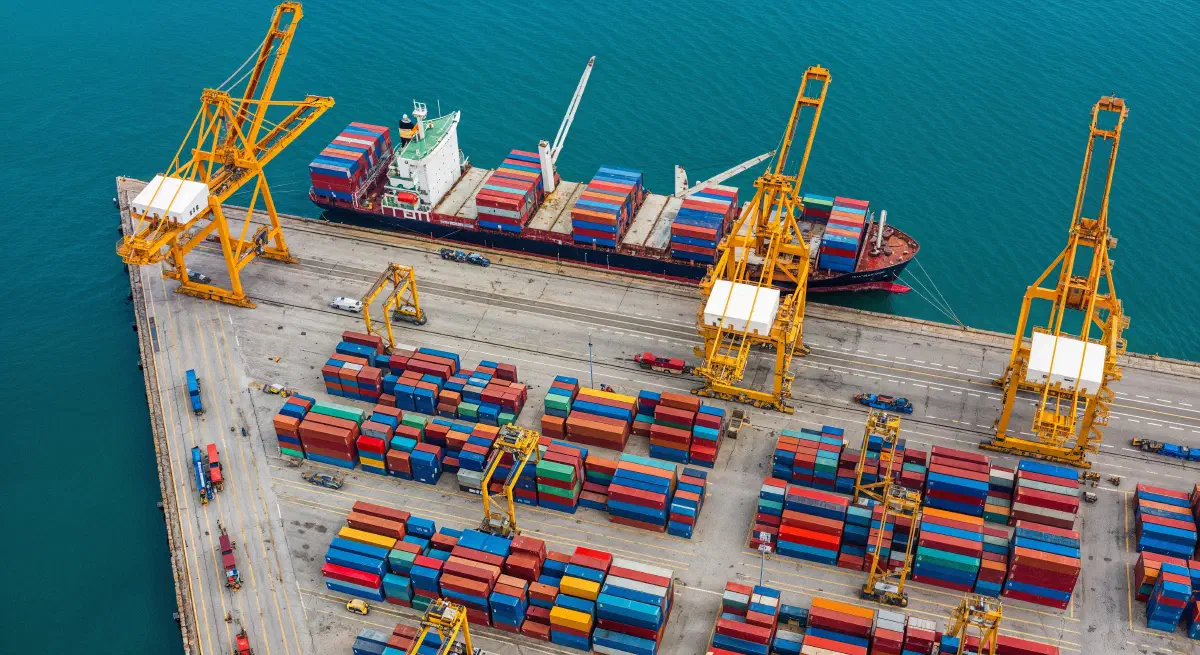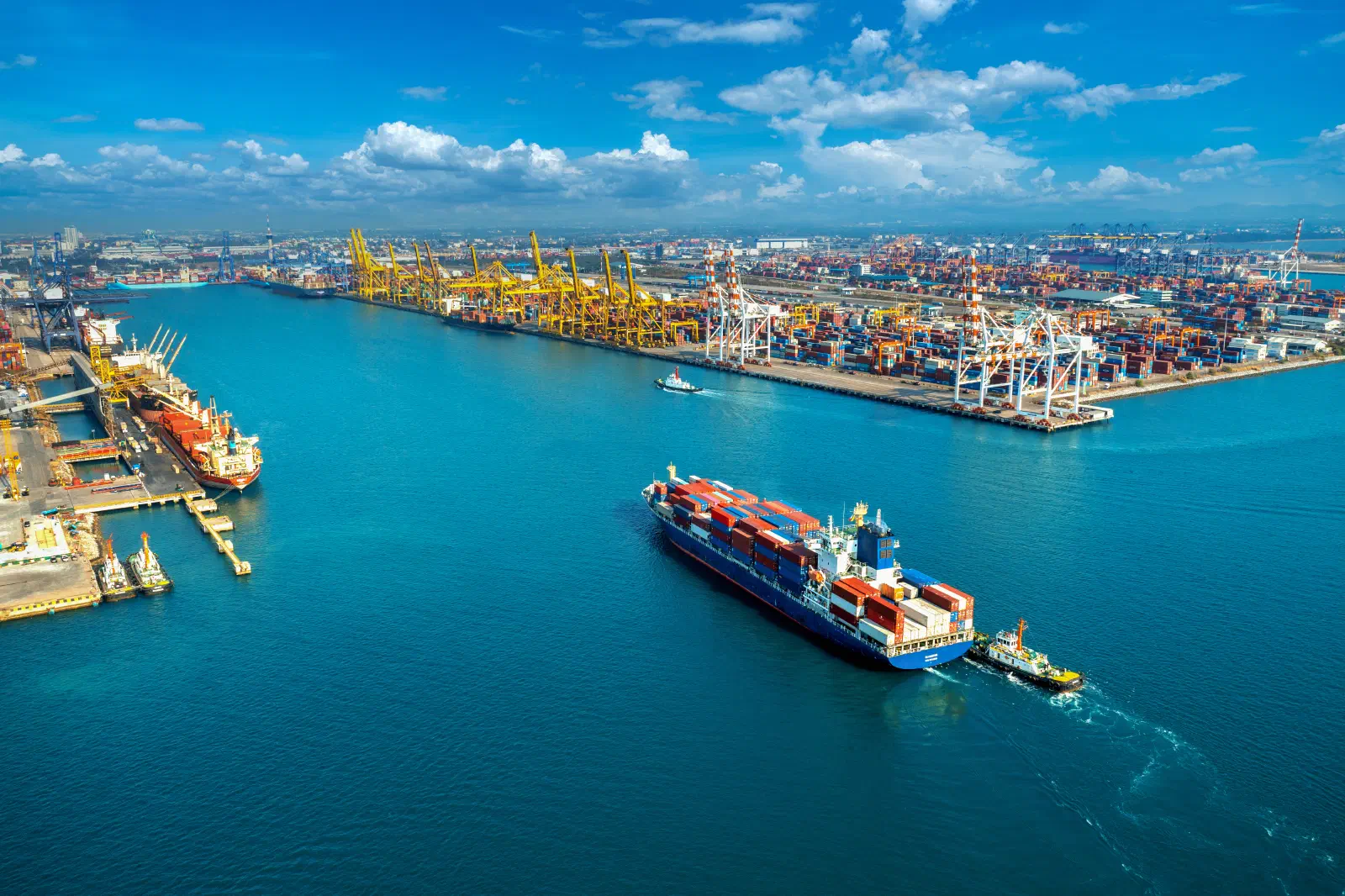
Most shipping forecasts heading into September predicted that the peak season surge would begin fading by now. Importers who frontloaded heavily in May and June were expected to pull back, demand was expected to moderate, and the freight market was expected to find some relief before Q4 holiday inventory began arriving in earnest. That is not what happened. The National Retail Federation and Hackett Associates confirmed this week that shipments may crest in September despite those expectations, and the Port of Long Beach announced record traffic volume for the most recent month. The peak has not faded. It has extended, and it is heading directly into the Q4 freight season without the recovery window the market expected.

What the data is showing this week
The Port of Long Beach traffic volume record announced September 21 is a concrete data point that tells you the import surge is still running. Long Beach is the second busiest container port in the United States and a direct indicator of Transpacific import activity. A monthly traffic record in what was supposed to be a post-peak moderation period is the market telling you that demand has not followed the seasonal script.
The National Retail Federation and Hackett Associates data points in the same direction. Shipments crest in September when retailers and distributors are still pulling inventory forward rather than drawing down frontloaded stock. The expectation had been that the May and June frontloading surge would satisfy enough demand to create a booking lull through August and September. Instead, import demand has remained more even and elevated than the seasonal models suggested, partly because retailers who successfully frontloaded earlier inventory are now replenishing faster than expected as consumer demand has held up better than feared.
Separately, Transpacific spot rates as of the September freight update confirm the picture. Shanghai to Los Angeles rates climbed to $7,185 per 40-foot container, with approximately 20 percent of capacity pulled through blank sailings by carriers actively managing supply to support pricing. East Coast rates remain firmer than West Coast as Panama Canal restrictions continue to limit effective capacity on routes through the canal.
Why an extended peak creates specific problems for Q4
The extended peak is not just a data point about how busy ports are right now. It has specific and direct implications for how Q4 plays out for shippers.
The first problem is warehouse compression. The expectation of a mid-summer peak followed by a September lull was built into the inventory planning of a significant number of importers. Those who planned to use August and September to work through frontloaded stock and free up warehouse space for Q4 inventory are instead sitting on elevated stock levels with less available space than they planned for. In a warehouse market already at 95.5 percent occupancy, that additional pressure on inventory holdings makes the Q4 receiving challenge harder rather than easier.
The second problem is carrier capacity concentration. When peak season extends beyond its expected window, carriers who were planning capacity redeployment for Q4 on an assumption of a September moderation have not had that recovery period. The carrier network entering Q4 is absorbing elevated demand with less scheduling flexibility than it would have had coming off a genuine moderation. That adds to the upward rate pressure heading into October.
The third problem is the China National Day holiday. China’s National Day holiday runs from October 1 through 7, during which Chinese factories and shipping operations scale back significantly. Shippers who need goods arriving before the holiday window need them shipped before late September. Those who are still navigating the extended peak and the backlog from back-to-back typhoon disruptions at Shanghai and Ningbo may find that National Day creates an additional gap in their supply chain at exactly the moment they were hoping to use the holiday period to catch up.
What Long Beach’s record volume means specifically
Port of Long Beach record traffic is significant for shippers on several levels beyond the headline number.
Record inbound volume means port drayage demand is elevated at exactly the port where West Coast routing alternatives have been directing freight away from Panama Canal routing. The shippers who shifted to West Coast routing to avoid Panama Canal slot restrictions are adding their container volumes to a port already processing record traffic.
The port also sits at the front end of the inland intermodal network that moves freight from the West Coast to Midwest and East Coast distribution centres. Record port traffic at Long Beach puts pressure on the rail network connections, drayage pool, and chassis availability that support that inland movement. Inland congestion from West Coast port volume does not show up on Transpacific rate charts but shows up on domestic delivery schedules.
For shippers routing Q4 inventory through Long Beach or Los Angeles, confirming drayage coverage and inland transportation arrangements before the October National Day volume adds to the existing record level is a practical and urgent step.
What shippers should do with this information
Do not assume September will be quieter than August.
The NRF and Hackett Associates data says shipments may crest in September, not that they will begin falling. September may be the busiest month of the import year, not the beginning of the relief window that many shippers have been waiting for.
Confirm your Q4 inventory arrival timeline against the extended peak.
If your Q4 replenishment shipments were scheduled to depart China in late September or early October, review those plans against the National Day holiday window, the ongoing typhoon backlog still clearing from Shanghai and Ningbo, and the Panama Canal slot restrictions that took effect September 3. The combination of those factors means late September departures carry more schedule risk than standard transit time assumptions would suggest.
Lock in drayage coverage at West Coast ports before National Day volumes add to record traffic.
If you are routing Q4 inventory through Long Beach or Los Angeles, confirm your drayage carrier relationships at those terminals before October. A record-traffic port entering the National Day volume addition with an unconfirmed drayage arrangement is an expensive place to be when a container’s clock starts running.
Reassess your Q4 domestic freight coverage against an extended peak.
If Q4 domestic carrier coverage was planned on the assumption of a September moderation that has not materialized, the contracted capacity you have lined up may not be adequate for the volume that is actually arriving. Review your routing guide and contracted capacity against the extended peak scenario rather than the moderation scenario that the original plan assumed.
At HighQ Logistics, we coordinate drayage, intermodal, full truckload, and managed transportation alongside the market intelligence that connects port volume data and seasonal freight patterns to practical decisions for your specific freight program. If you want to understand what an extended peak season means for your Q4 freight program, talk to the HighQ team or get a freight quote.
Peak season was supposed to be winding down in September. The Port of Long Beach just set a monthly traffic record and the National Retail Federation confirmed shipments may crest in September rather than falling. An extended peak arriving directly into Q4 without the expected moderation window creates warehouse compression, reduces carrier scheduling flexibility, and means the China National Day holiday in early October will create a supply gap for shippers who were relying on late September departures to catch up on inventory arrivals. The Q4 freight environment is more complex than the original seasonal forecast suggested, and it requires active management rather than the planning assumptions that were valid six weeks ago.
Frequently Asked Questions
Why has peak shipping season extended into September 2026?
Import demand has remained more even and elevated than seasonal models predicted. Retailers who successfully frontloaded inventory in May and June are replenishing faster than expected as consumer demand has held up. Combined with back-to-back typhoon disruptions at Shanghai and Ningbo creating delayed shipments arriving later than planned, September is absorbing both new demand and deferred volume from August disruptions simultaneously.
What did the Port of Long Beach record volume announcement mean?
The Port of Long Beach announced record traffic volume for the most recent month, confirmed September 21, 2026. Long Beach is the second busiest container port in the United States and a direct indicator of Transpacific import activity. A monthly record during what was expected to be a post-peak moderation period confirms that import volumes have not followed the seasonal script and that the extended peak is landing directly into the Q4 freight preparation window.
What are current Transpacific freight rates?
Shanghai to Los Angeles rates are at $7,185 per 40-foot container as of the September freight market update, with carriers pulling approximately 20 percent of capacity through blank sailings to support pricing. East Coast rates remain firmer than West Coast as Panama Canal slot restrictions from September 3 continue to limit effective capacity on routes through the canal.
How does an extended peak affect Q4 warehouse planning?
Shippers who planned to use a September moderation to work through frontloaded stock and free up space for Q4 inventory are instead sitting on elevated stock levels in a warehouse market already at 95.5 percent occupancy. The Q4 receiving challenge is more compressed than planned, and warehouse capacity for incoming holiday inventory will be harder to secure than seasonal models built on a September moderation would have predicted.
What is the China National Day holiday and why does it matter for Q4 freight?
China’s National Day holiday runs from October 1 through 7, during which Chinese factories and shipping operations scale back significantly. Shippers who need goods arriving before the holiday window must ensure shipments depart China before late September. For shippers already navigating the extended peak and typhoon backlog, the National Day window creates an additional supply gap at exactly the moment they were hoping to use the holiday period to catch up on delayed inventory.
Why does Long Beach record volume affect inland freight and drayage?
Long Beach sits at the front end of the inland intermodal network moving freight from the West Coast to Midwest and East Coast distribution centers. Record port traffic puts pressure on rail connections, drayage capacity, and chassis availability that support inland movement. Shippers routing Q4 inventory through Long Beach or Los Angeles should confirm drayage coverage and inland transportation arrangements before October National Day volumes add to the existing record level.
How should shippers adjust their Q4 plans given the extended peak?
Reassess Q4 domestic carrier coverage against an extended peak scenario rather than the moderation scenario the original plan assumed. Confirm drayage coverage at West Coast ports before National Day volumes add to record traffic. Review late September departure schedules against typhoon backlog, National Day holiday timing, and Panama Canal slot restrictions. Do not treat September as a relief window that it has not been.