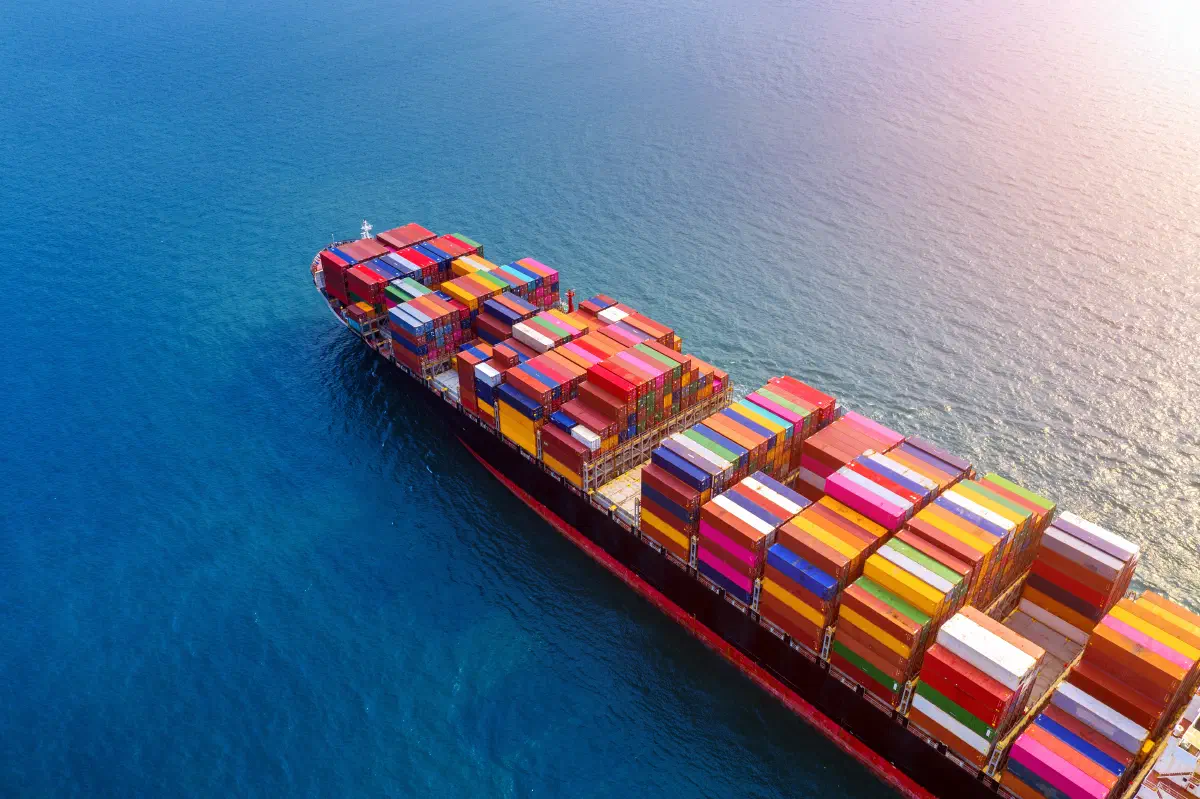
China’s east coast ports have not had time to recover from one typhoon before the next one arrives. Typhoon Saudel closed Shanghai and Ningbo for several days last week, disrupted operations as far north as Busan, and sent disruption as far south as Shenzhen across multiple regional hubs. Berthing delays at Shanghai and Ningbo reached 10 days as of September 1, the worst congestion since the pandemic, with carriers skipping calls at backed-up ports and pushing increased transhipment volumes to other regional hubs. This is the second major typhoon disruption to hit China’s two busiest ports in less than a month, and the ports have not fully cleared the Typhoon Dolphin backlog from early August before Saudel arrived. The congestion is compounding, and the consequences for shippers are compounding with it.
What happened and where things stand now
Typhoon Saudel made landfall along China’s east coast, forcing Shanghai and Ningbo to close container terminal operations for several days. Ningbo was closed for approximately 78 hours. Shanghai’s Yangshan terminals were closed for 54 hours and Waigaoqiao for 48 hours. The storm disrupted operations across a wide geographic range, affecting ports as far north as Busan, South Korea’s largest container hub, and sending disruption through multiple hubs as far south as Shenzhen. Typhoon Saudel made three separate landfalls, the third in Fujian on September 3, an occurrence meteorologically unprecedented in China’s recorded history.
The timing is the critical detail. When Typhoon Dolphin hit in early August it stranded more than 2.4 million TEUs and created a backlog that analysts estimated would take several weeks to clear. As of last week, that clearance was still underway when Saudel arrived. The succession of storms has prevented impacted ports from completely clearing backlogs before new shutdowns hit.
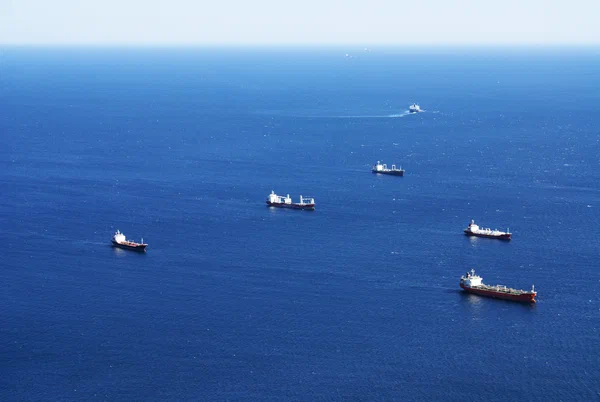
The result is a port system operating in sustained disruption mode rather than recovering from a discrete event. Berthing delays at Shanghai and Ningbo reached 10 days as of September 1, the worst congestion since the pandemic. North Asia now accounts for 54 percent of global port congestion, with approximately 2.5 million TEUs of vessel capacity waiting to berth in the region. Carriers are skipping calls at backed-up ports, which reduces service reliability and pushes cargo to alternative transhipment hubs that are themselves absorbing elevated volumes. This is not a situation where one port’s disruption is being absorbed cleanly by the broader network. The broader network is already strained.
What it means for Transpacific rates right now
The congestion from successive typhoon disruptions is one of the factors keeping Transpacific rates at levels that have surprised most market observers. East Coast rates climbed to approximately $9,800 per 40-foot container this week, new peak season highs. West Coast rates passed $7,600 per 40-foot container. Both figures represent new high points for the peak season despite the fact that the season started earlier than usual back in May, and most forecasters had expected rates to be easing by now.
Earlier this summer import volume projections pointed to a sharp July peak followed by a significant drop in August and into September. That drop has not materialized. Import demand has remained more even and elevated than the seasonal models suggested, partly because shippers who had been frontloading ahead of the July tariff deadline extended their ordering once a sharp duty increase did not follow. The combination of sustained import demand and persistent port congestion from successive typhoon disruptions has kept rates above where anyone expected them to be at this point in the season.
For shippers who locked in Q4 ocean freight arrangements expecting some seasonal rate relief by September, the current data suggests that relief is arriving later and more modestly than anticipated. For shippers who have not yet locked in Q4 arrangements, the market they are negotiating into this week is materially tighter than the one they were watching a month ago.
The compounding problem of sequential typhoon disruptions
Single typhoon disruptions are difficult enough. A port closure for three days creates a backlog that takes one to two weeks to clear as vessels bunch up, appointments compress, and chassis availability fluctuates. Sequential disruptions on a port system that has not recovered from the previous event create a fundamentally different problem.
When Typhoon Saudel’s backlog began building on top of Typhoon Dolphin’s uncleared congestion, the effective delay compounds rather than adds. Cargo that was already running late from the Dolphin disruption is now competing for terminal capacity with cargo that has been freshly delayed by Saudel. Appointment windows that terminals were beginning to open up after Dolphin are now being re-compressed. Chassis that were slowly returning to circulation are being pulled back into extended dwell situations as containers wait longer for pickup appointments.
The practical consequence for shippers is that transit time estimates that might have been cautiously optimistic two weeks ago, based on the expectation that Dolphin’s backlog was clearing, need to be revisited. The sequential disruption has extended the recovery timeline beyond what a single-event analysis would have suggested.
What shippers should do right now
Treat all August and September sailings from China as schedule-uncertain until confirmed.
The combination of two typhoon disruptions, ongoing carrier schedule volatility, and port congestion across multiple hubs means that any sailing schedule published before Saudel hit should be treated as a starting point for confirmation rather than a reliable delivery estimate.
Confirm your inbound container status immediately if you have freight at Shanghai or Ningbo.
Containers that were in transit or awaiting pickup at those terminals during the Saudel closure need to be specifically traced. The disruption and subsequent queuing may have shifted your container’s status in ways that affect demurrage exposure and delivery scheduling.
Build a minimum two to three week buffer into any Q4 delivery commitment that depends on China-origin ocean freight.
The combination of Typhoon Dolphin backlog, Typhoon Saudel disruption, Panama Canal capacity reductions from September 3, and Transpacific rate levels that have not softened as expected all point to a Q4 import environment where standard transit time assumptions are not reliable planning inputs.
Review your Q4 ocean freight arrangements with your logistics partner this week.
If your Q4 sailings on Transpacific routes were booked before the Saudel disruption and you have not confirmed slot allocations and revised transit estimates, that confirmation is overdue.
At HighQ Logistics, we monitor port conditions and vessel schedule developments daily across all major trade lanes. If you have China-origin freight affected by the Typhoon Saudel disruption or need to review your Q4 import schedule against the current congestion picture, talk to the HighQ team or get a freight quote .
Typhoon Saudel has added a second major port disruption to a China port system that had not finished recovering from Typhoon Dolphin. With berthing delays hitting 10 days at Shanghai and Ningbo, the worst congestion since the pandemic, carriers skipping calls at congested ports, and East Coast Transpacific rates at new peak season highs of $9,800 per 40-foot container, the shipping disruption environment heading into Q4 is more severe than seasonal models had projected. Shippers with China-origin freight need to verify container status, rebuild transit time assumptions, and confirm Q4 sailing arrangements against a market that is not softening on the timeline most had expected.
Frequently Asked Questions
What did Typhoon Saudel do to China’s ports?
Typhoon Saudel closed Shanghai and Ningbo container terminal operations for several days in late August and early September. Ningbo was closed for approximately 78 hours and Shanghai’s terminals were closed for between 48 and 54 hours. The storm made three separate landfalls, an unprecedented occurrence in China’s recorded history, and disrupted port operations from Busan in South Korea through multiple hubs to Shenzhen. Berthing delays reached 10 days at Shanghai and Ningbo as of September 1, the worst congestion since the pandemic.
How does Typhoon Saudel differ from Typhoon Dolphin’s disruption?
Typhoon Dolphin struck in early August, stranding more than 2.4 million TEUs and creating a backlog analysts estimated would take several weeks to clear. Typhoon Saudel arrived before that clearance was complete, meaning the new disruption is compounding on top of an existing backlog rather than hitting a recovered network. Sequential disruptions extend recovery timelines beyond what either event alone would have produced.
What are Transpacific ocean freight rates right now?
East Coast Transpacific rates climbed to approximately $9,800 per 40-foot container this week, new peak season highs. West Coast rates reached approximately $7,600 per 40-foot container. Both figures have surprised market observers who expected rates to be softening by this point in the season given the early start to peak demand in May.
Why have Transpacific rates stayed high when peak season started so early?
Import demand has remained more even and elevated than seasonal models predicted. Shippers who were frontloading ahead of the July tariff deadline extended their ordering once a sharp duty increase did not follow, sustaining demand into August and September. Sequential typhoon disruptions have added persistent congestion that supports rates by reducing effective capacity on the Transpacific even as import volumes remain strong.
What should shippers do with Q4 delivery commitments that depend on China-origin freight?
Build a minimum two to three week buffer into any Q4 delivery commitment that depends on China-origin ocean freight. Transit time estimates made before the Saudel disruption need to be revisited. Slot allocations on Q4 sailings should be confirmed directly rather than assumed. Container status for any freight at Shanghai or Ningbo during the Saudel closure should be specifically traced.
How does the Typhoon Saudel disruption interact with Panama Canal capacity reductions?
The Panama Canal began reducing daily transit slots on September 3, cutting total daily transits from 34 toward 32 with a further reduction on September 15. Vessels delayed by Typhoon Saudel congestion in China are arriving at Panama Canal approaches into a slot allocation that is already tighter than it was before the reduction. Shippers routing through both regions face compounding delays from both disruptions simultaneously.
Should shippers consider alternative routing for Q4 China-origin freight?
For freight not already committed to Transpacific routings, evaluating West Coast plus intermodal inland delivery as an alternative to East Coast via Panama provides routing diversification that reduces dependence on any single disrupted corridor. The current congestion profile and rate levels on both routes should be compared against your specific delivery requirements before committing Q4 volume to either routing.