Intermodal Shipping Explained: Is It Right for You?
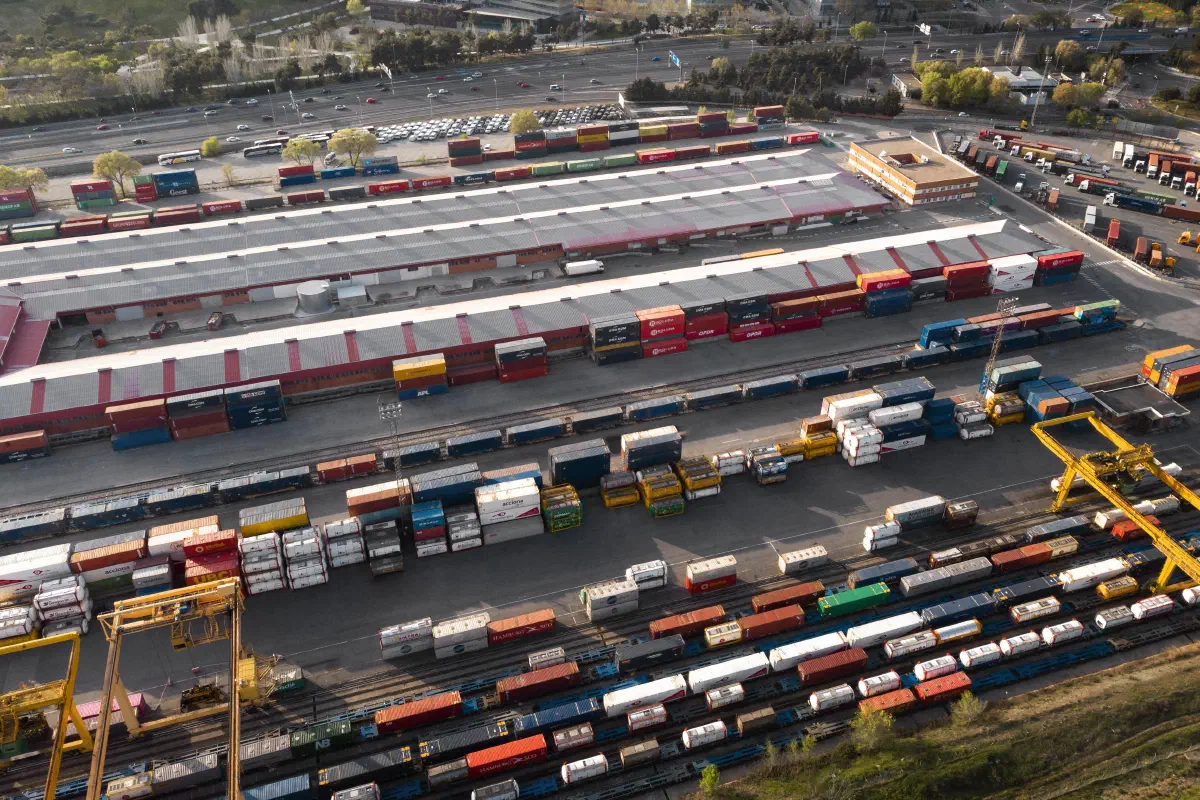
- Intermodal shipping combines truck and rail so freight can stay in the same container for the full move.
- It is often most attractive on longer lanes where truckload costs and fuel pressure make rail savings more meaningful.
- In 2026, more shippers are revisiting intermodal because truckload rates remain elevated and diesel prices are still putting pressure on freight budgets.
- If your freight regularly moves long distances, intermodal shipping may be worth a closer look.
If your freight moves on lanes longer than 500 miles and you are still shipping everything by truck, you may be leaving real money on the table. Intermodal shipping explained simply is this: it is a way of moving freight using more than one mode of transport, most commonly truck and rail, inside the same container without ever unloading the cargo. In 2026, with truckload rates climbing and diesel prices elevated, more shippers are taking a serious look at intermodal for the first time.
How Intermodal Shipping Works
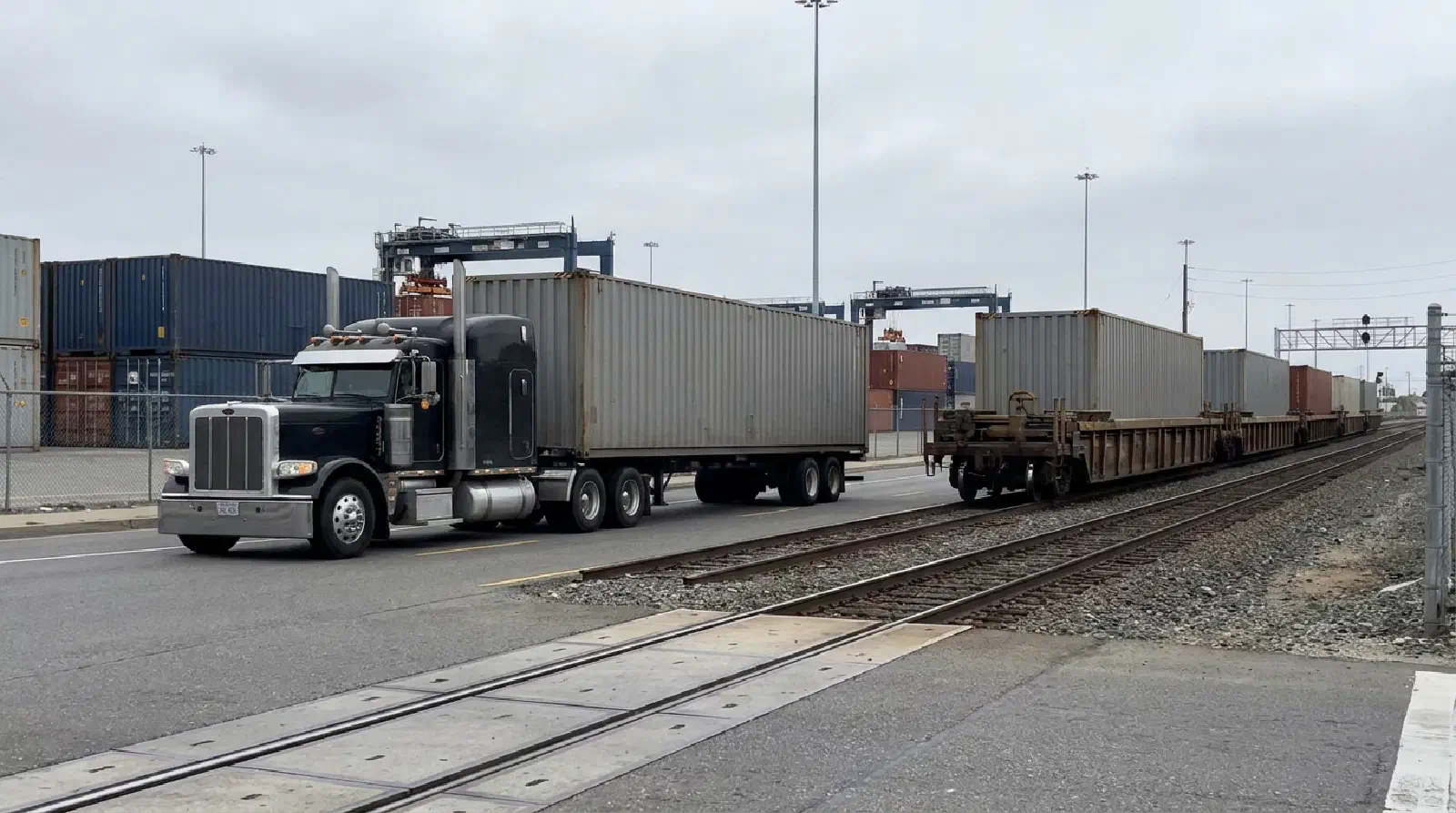
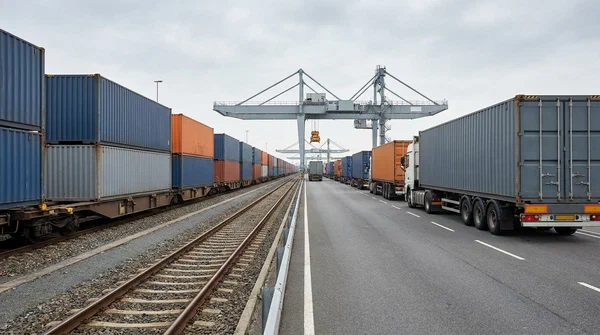
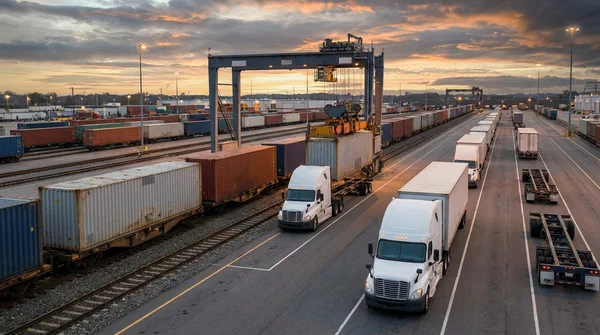
The process is more straightforward than most shippers expect. Your freight is loaded into a standardized container at the origin. A drayage truck picks it up and carries it to the nearest rail ramp. From there, the container moves by rail across the long-haul portion of the journey. At the destination rail ramp, another drayage truck picks it up and delivers it to its final destination.
The cargo never gets touched or rehandled between those two points. The same container that leaves your dock arrives at the destination. That is the efficiency that makes intermodal work.
A single locomotive can haul hundreds of standard 53-foot intermodal containers simultaneously, which massively consolidates freight and lowers the operational cost per container compared to moving each one on a separate truck. That scale advantage is what creates the cost savings that shippers are after.
When Intermodal Is Worth Considering
Intermodal is usually strongest when shippers have long, predictable lanes and enough lead time to trade a bit of speed for better economics. It is not the right fit for every shipment, but it can be a strong option when the freight profile lines up with rail-friendly distances and service expectations.
For shippers comparing long-haul full truckload against intermodal, the real question is not just price. It is whether the lane, service window, and freight profile create room for rail to improve cost efficiency without creating downstream operational problems.
Why More Shippers Are Reconsidering It In 2026
In 2026, many shippers are taking a more serious look at intermodal because truckload rates remain under pressure and diesel costs are still affecting transportation budgets. When linehaul costs stay elevated, intermodal becomes harder to ignore on qualifying lanes.
That does not mean every shipper should shift freight immediately. It means intermodal deserves a more careful evaluation than it often gets when transportation teams default to truck-only planning.
Final Takeaway
Intermodal shipping combines truck and rail to cut costs on long hauls while keeping freight in the same container from origin to destination. For shippers moving freight over longer distances, it can be a practical way to lower transportation costs and reduce exposure to truckload volatility. If your team is reviewing long-haul lane strategy this year, now is a good time to take a closer look at whether intermodal shipping belongs in the mix.