Intermodal Shipping: Compare Rail and Truck
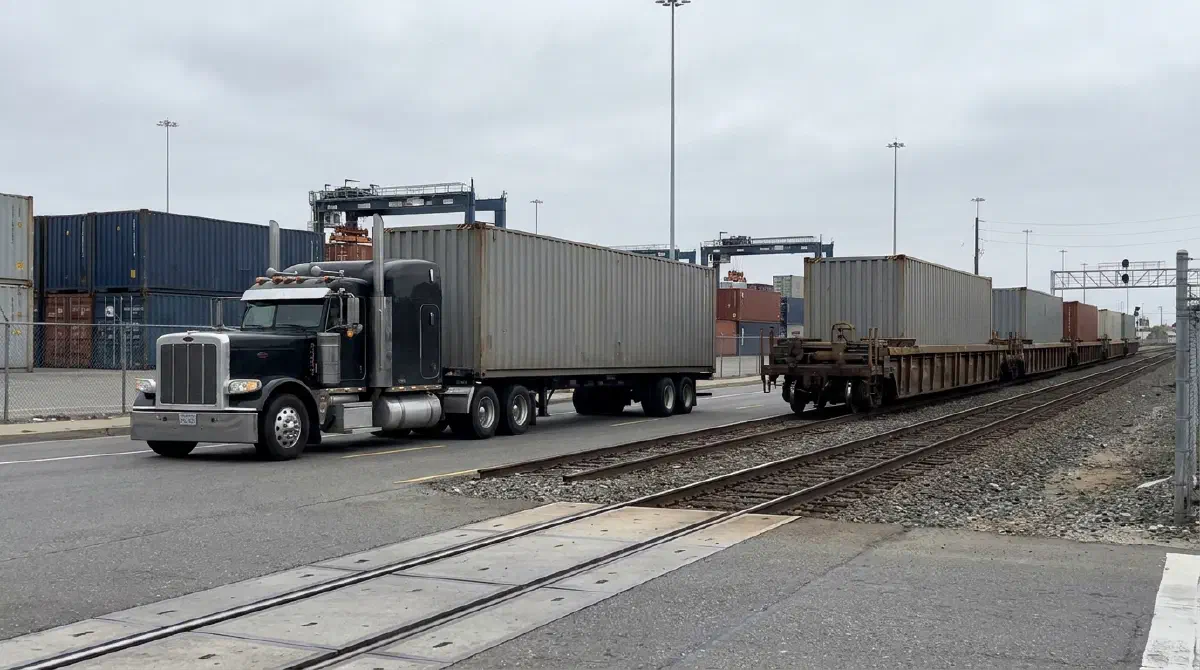
When an all-truck move is costly or capacity is difficult to secure, intermodal shipping may provide another option by combining truck and rail transportation. Check the full door-to-door plan, including terminal access, drayage, and delivery flexibility. A rail segment only works if the surrounding handoffs fit your shipment.
Evaluate the entire route
Intermodal suitability depends on the lane and the shipment’s requirements. Consider how the freight reaches the rail terminal, travels between terminals, and moves to the receiver. Compare that complete route with an all-truck option using realistic delivery windows.
Start with these intermodal guides
- Intermodal shipping explained: is it right for you? introduces the service and the questions that determine fit.
- Drayage vs. intermodal explains the role of local truck moves.
- HighQ intermodal shipping services provides a service overview for your planning discussion.
What to confirm before choosing intermodal
- Terminal locations, first and last truck moves, and receiving appointments.
- Freight compatibility, loading requirements, and the available transit window.
- Total charges, shipment visibility, and the response to a missed connection or delay.
Is intermodal always less expensive than truckload?
No. The lane, drayage distance, equipment, service requirements, and additional charges all influence the comparison. Ask for complete options for the same shipment instead of comparing a rail price with a door-to-door truckload quote.
Related topics: Drayage · Shipping modes · Freight costs.
Articles in this collection
Read the related HighQ articles below. Publication dates provide context for market conditions discussed in each article.