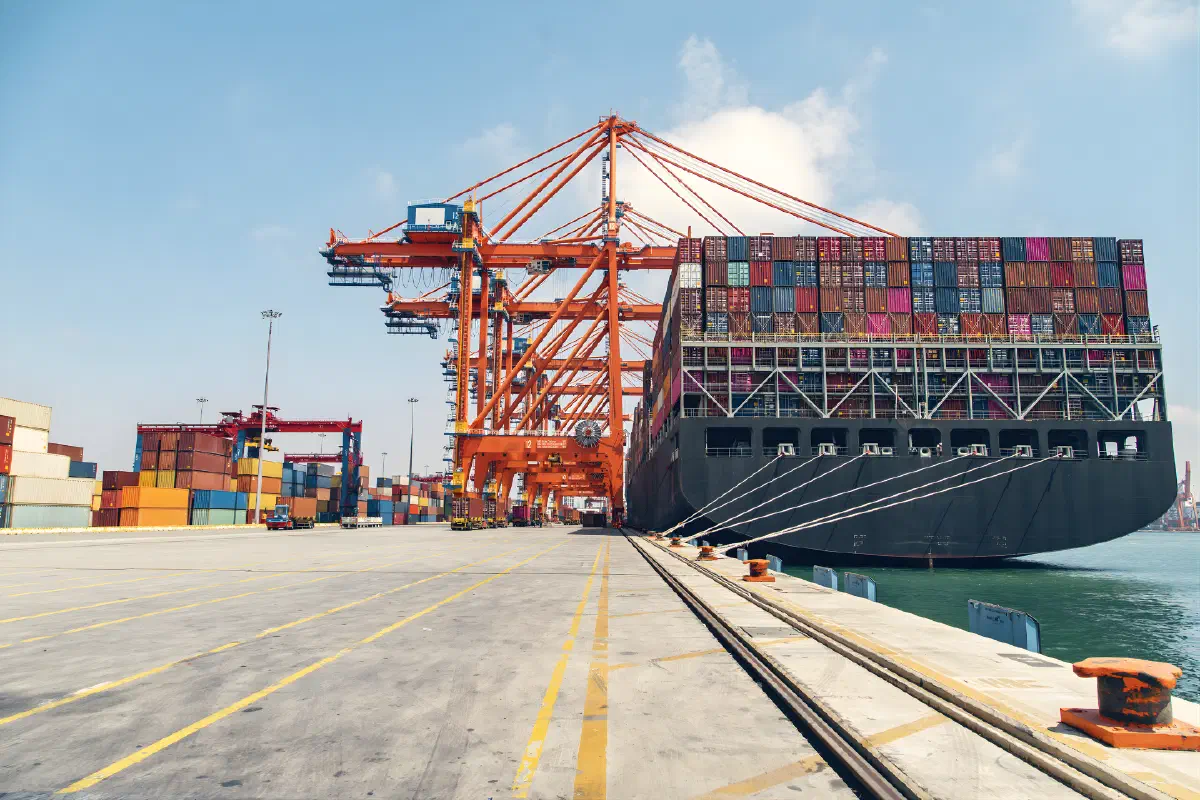
Drayage Shipping: Plan Container Moves
A container can reach the port or rail terminal and still miss its delivery if release status, equipment, and pickup appointments are not coordinated. Drayage is the truck move connecting that terminal with a warehouse or another nearby facility. Plan the pickup, delivery, and empty return together to reduce avoidable waiting and missed handoffs.
Coordinate the entire container handoff
Drayage planning starts before dispatch. Confirm where the container will become available, who can authorize its release, what equipment the move requires, and when the receiving facility can unload it. A vessel arrival date alone is not a confirmed truck pickup appointment.
Start with these drayage resources
- What is drayage? A simple guide for shippers explains the role of the terminal-to-facility move.
- Drayage vs. intermodal clarifies how a local container move fits into a longer transportation plan.
- HighQ drayage services provides a starting point for discussing your container requirements.
What to confirm before pickup
- Container availability, release status, terminal location, and appointment requirements.
- Chassis and truck arrangements, receiving hours, and unloading responsibilities.
- The applicable free-time dates, empty-return location, and owner of each exception.
Is drayage the same as the whole intermodal shipment?
No. Drayage is a truck portion of the movement. An intermodal shipment combines transportation modes, often truck and rail. The first and last truck moves need their own appointments and coordination even when they are part of one larger shipment.
Related topics: Ports and container planning · Intermodal shipping · Freight costs.
Articles in this collection
Read the related HighQ articles below. Publication dates provide context for market conditions discussed in each article.