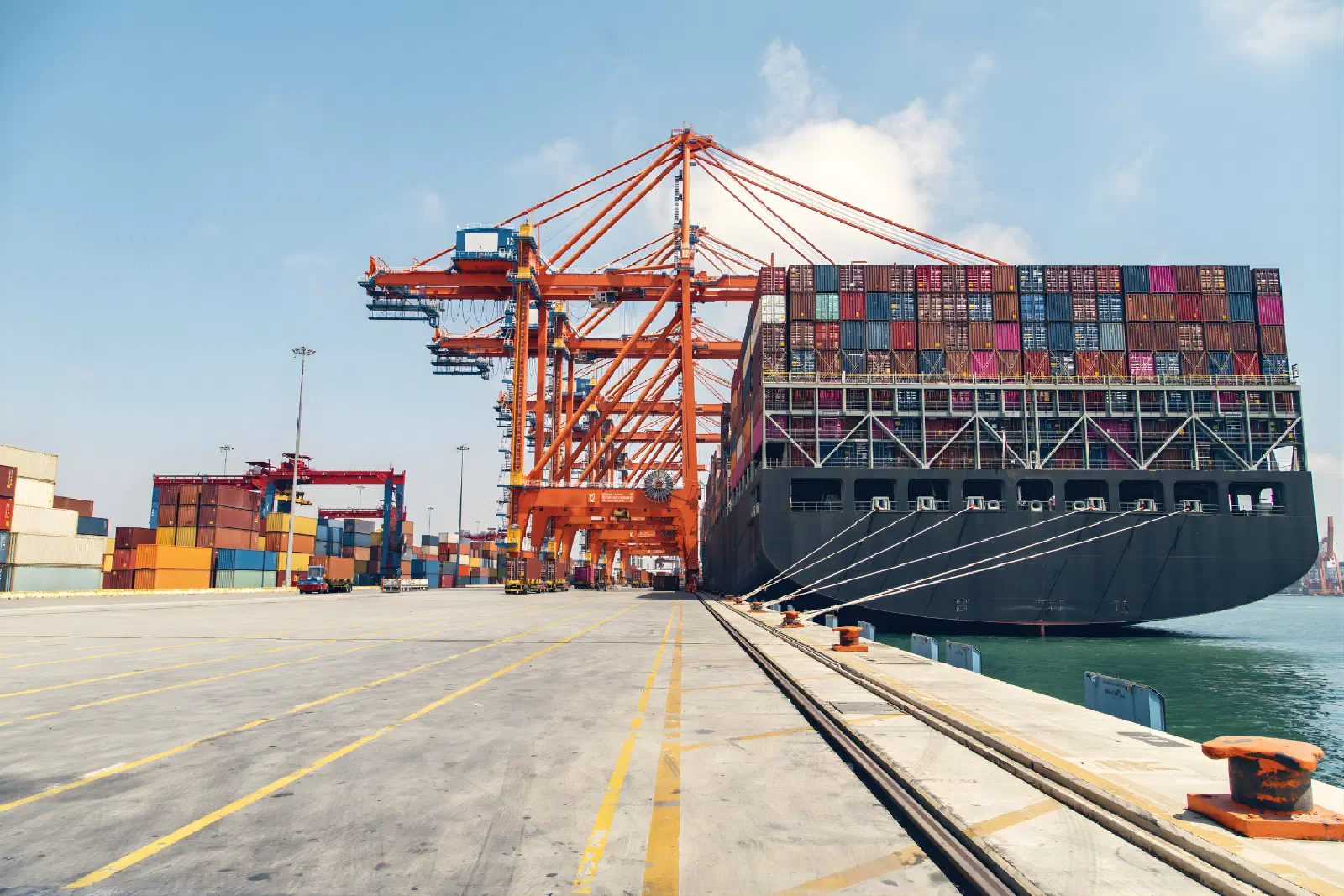
Drayage is a short-haul transportation service used to move containers between ports, rail yards, warehouses, and nearby facilities. It is often one part of a larger shipment, but it plays a much bigger role than many shippers expect.
In simple terms, drayage handles the local movement that connects containerized freight to the rest of the transportation plan. That may mean picking up an ocean container at a port and delivering it to a warehouse. It may mean moving a rail container from an intermodal ramp to the consignee. It may also mean repositioning freight so it can move into intermodal service or into storage through warehousing support .
Why drayage matters
Because drayage is short-haul, it can look minor compared with the longer transportation legs in a shipment. In reality, it is often one of the most operationally sensitive parts of the move.
If drayage is poorly coordinated, the shipper can face:
- Port or rail delays
- Missed appointments
- Extra storage or detention exposure
- Communication gaps around container status
- Disruption to the next leg of the shipment
That is why drayage should not be treated as an afterthought. It is often the handoff point that determines whether freight moves smoothly into the next stage of the plan.
Where drayage shows up in a shipment
Drayage is common in several scenarios:
- Import freight moving from the port to a warehouse or distribution point
- Export freight moving from an inland location to the port
- Rail-connected freight moving into or out of an intermodal network
- Freight that needs transloading before moving by truckload or another mode
Even though the mileage may be limited, the operational coordination around these moves can be complex. Timing, container availability, appointments, and local conditions all matter.
How drayage connects to intermodal shipping
Drayage and intermodal freight are closely linked. Intermodal service often depends on drayage to move containers into and out of the rail environment. Without dependable drayage execution, even a well-structured intermodal plan can break down.
That is one reason shippers evaluating drayage services should also think about the broader transportation flow. The local move has to fit the whole network, not just the local pickup or delivery.
What should a shipper watch closely in drayage?
The biggest drayage risks are usually not about linehaul pricing. They are about coordination. A shipper should pay close attention to:
- Appointment timing
- Container handoff expectations
- Communication around delays or exceptions
- How drayage fits into warehouse timing or onward transportation
If those points are not handled clearly, local moves can create avoidable cost and service issues very quickly.
Final takeaway
Drayage is the short-haul container movement that connects port and rail freight to the rest of the transportation plan. It may be local in distance, but it is critical in operational impact.
For shippers working with import, export, or rail-connected freight, drayage should be treated as a key part of transportation planning rather than a minor last step. If your team needs help evaluating port or rail-connected freight flows, HighQ Logistics can help. Start with a freight quote request or explore our drayage services and intermodal freight services .