3PL Services: Plan Outside Logistics Support
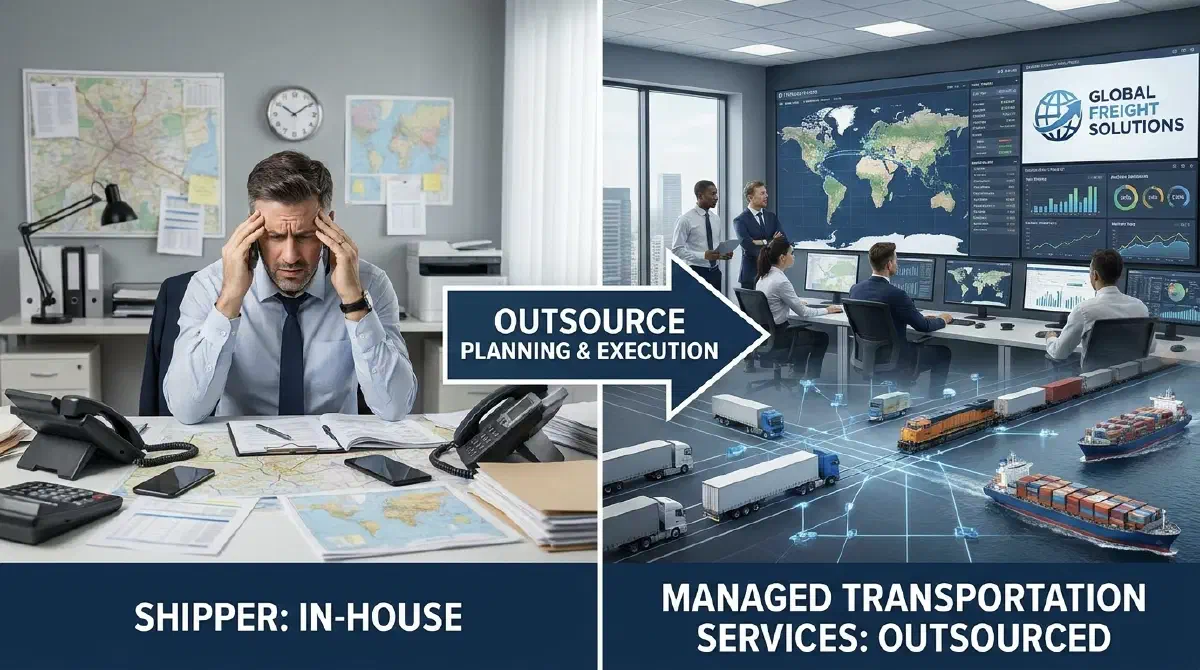
When booking freight, chasing updates, and resolving delivery problems consume your team’s day, a third-party logistics provider (3PL) can take on defined transportation and logistics work. Start by identifying the handoffs you need help managing, then compare the provider’s responsibilities, communication, and reporting with those needs.
Decide which logistics work needs support
A 3PL relationship can cover individual shipments or a broader operating process. The useful distinction is who owns carrier coordination, exceptions, billing review, and performance reporting. Adding a provider helps only if those responsibilities are clear to both teams.
Start with these 3PL guides
- What is a 3PL, and when does a business need one? explains the role and the signs that outside support may be useful.
- What are managed transportation services? covers a more structured approach to daily freight execution.
- HighQ’s 3PL solutions outlines the service options to discuss for your operation.
What to review before choosing a 3PL
- Which freight modes, lanes, and facilities need support?
- Who will handle shipment updates, missed appointments, and other exceptions?
- What shipment data and service measures will your team review together?
Does a business need to outsource all its logistics?
No. A shipper can define a narrower scope, such as difficult lanes, freight auditing, or warehousing coordination. Document what remains with your internal team so issues do not fall between the two organizations.
Related topics: Managed transportation · Guidance for shippers · Freight strategy.
Articles in this collection
Read the related HighQ articles below. Publication dates provide context for market conditions discussed in each article.