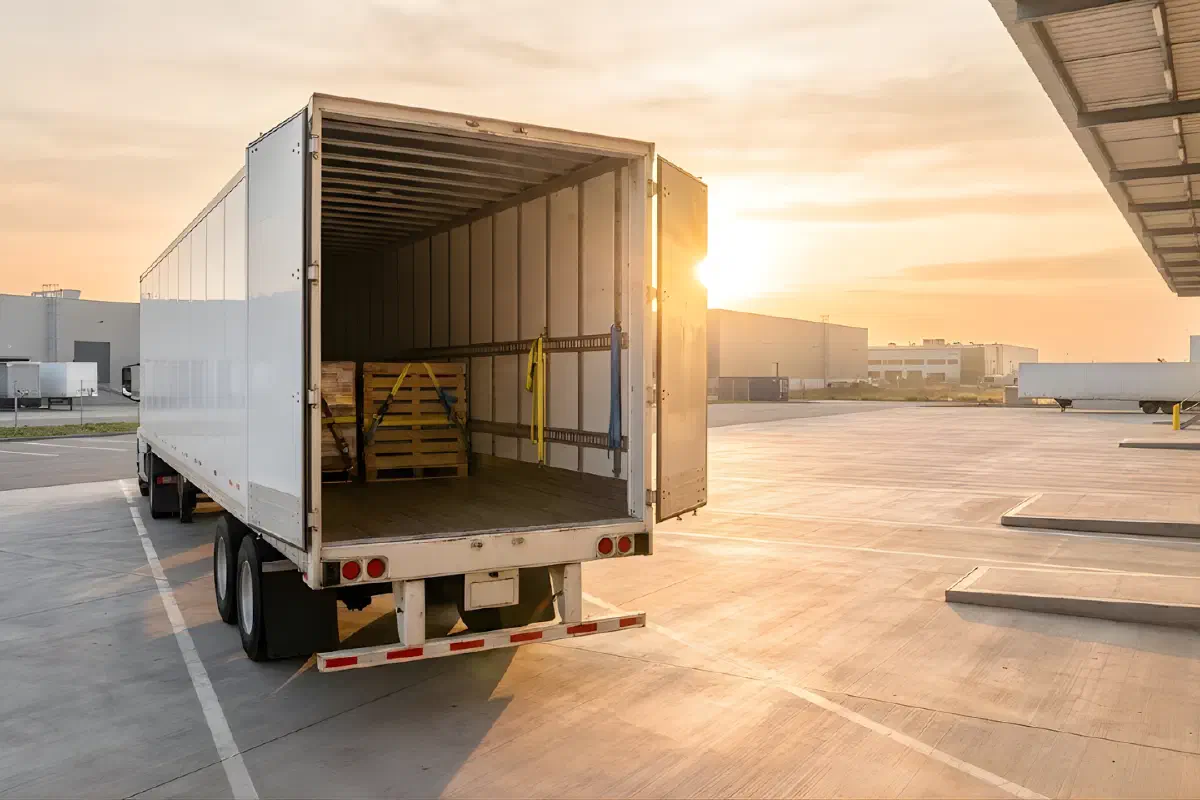
Full Truckload Shipping: Is FTL Right?
When freight needs dedicated trailer space, specific equipment, or fewer handling transfers, full truckload (FTL) may fit better than a shared LTL move. FTL reserves a truck’s capacity for your shipment. Compare the shipment’s size, handling needs, delivery schedule, and total cost before choosing the mode.
Match the truck to the freight
Trailer utilization is one part of the decision. A lighter shipment can still need dedicated equipment because of dimensions, handling restrictions, or delivery requirements. Describe those constraints before requesting a quote so the carrier and equipment match the actual move.
Start with truckload planning
- LTL vs. FTL: which is right for your freight? compares shared and dedicated capacity.
- How to reduce freight costs without sacrificing service explains why the lowest quoted rate is only one consideration.
- HighQ full truckload services outlines a service path for dedicated freight.
What to review before booking an FTL shipment
- Weight, dimensions, pallet count, loading method, and required trailer type.
- Pickup and delivery appointments, dock access, and facility restrictions.
- The agreed rate, possible extra charges, tracking expectations, and backup plan.
Must a shipment fill the trailer to use FTL?
No. A shipper may choose dedicated capacity for handling or service reasons even if space remains. Compare that benefit with the full transportation cost and the receiving facility’s requirements.
Related topics: LTL shipping · Shipping modes · Freight costs.
Articles in this collection
Read the related HighQ articles below. Publication dates provide context for market conditions discussed in each article.