LTL Shipping: Plan Costs and Delivery
Shipping a few pallets does not always justify a dedicated truck. Less-than-truckload (LTL) shipping shares trailer capacity with other shipments, but accurate dimensions, freight class, packaging, and delivery requirements are essential to a useful quote. Review those details first to reduce avoidable reclassification and service surprises.
Build an accurate LTL shipment profile
Describe the packaged freight as it will travel, including pallet dimensions, total weight, commodity, and handling needs. Add the pickup and delivery services the facilities require. Missing details can change both the charge and the carrier’s ability to complete the move.
Start with LTL shipping guides
- LTL vs. FTL: which is right for your freight? helps compare shared and dedicated capacity.
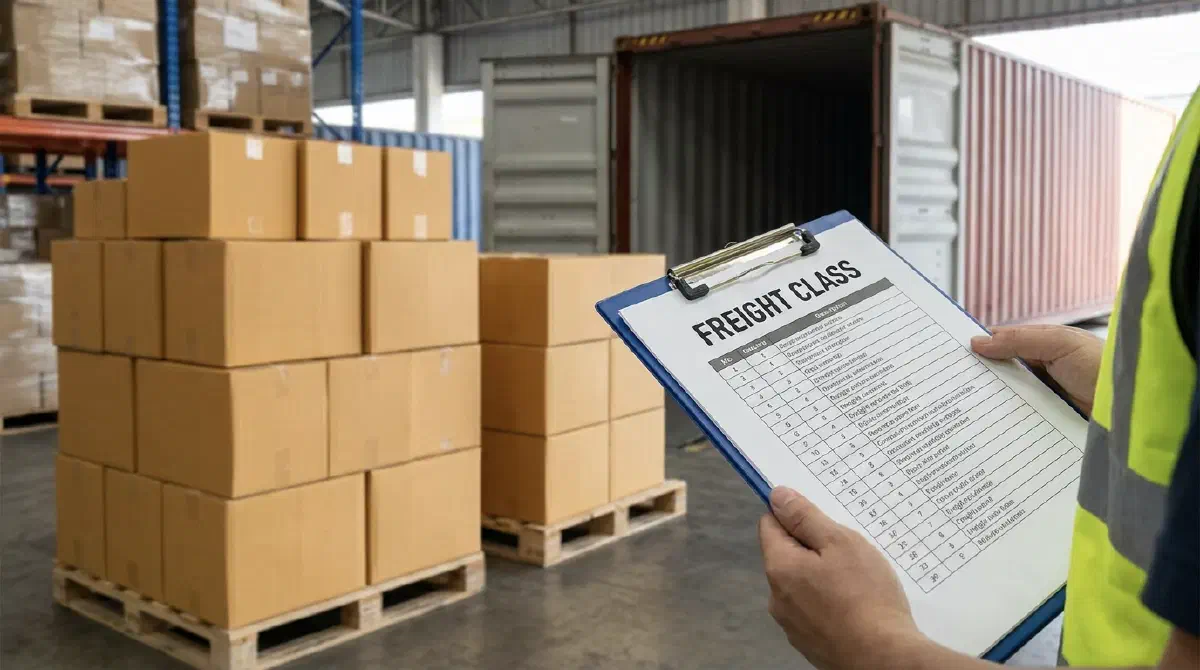
- Freight class explained introduces classification and shipment information.
- HighQ LTL freight services provides a starting point for discussing your freight.
What to confirm before requesting an LTL quote
- Pallet count, packaged dimensions, weight, commodity, and applicable freight class.
- Dock or liftgate access, appointments, limited-access locations, and receiving hours.
- Packaging, handling restrictions, transit expectations, and tracking requirements.
When should a shipper compare LTL with FTL?
Compare the modes when trailer space, handling sensitivity, or delivery requirements make a shared move less suitable. The decision depends on the whole shipment and its service needs; there is no single pallet count that fits every lane and carrier.
Related topics: Full truckload · Freight costs · Shipping modes.
Articles in this collection
Read the related HighQ articles below. Publication dates provide context for market conditions discussed in each article.