One of the most common shipping questions a business faces is whether a load should move as LTL or FTL. The answer is not only about size. Cost, speed, handling requirements, timing, and freight risk all play a role.
At a high level, LTL freight shipping is used when a shipment does not need a full trailer. Full truckload freight services are used when a shipment needs dedicated trailer space or tighter control over the move. The best option depends on what matters most for the shipment and for your business.
What is LTL shipping?
LTL stands for less-than-truckload. In an LTL move, multiple shipments from different shippers share trailer space. Because the trailer is shared, the cost is also shared. That makes LTL a practical choice for palletized freight that does not require an entire trailer.
LTL is often a good fit when:
- Freight volume is relatively small
- Cost control is a higher priority than dedicated trailer space
- The shipment can tolerate additional handling
- Transit time does not need to be as direct as truckload service
LTL can be efficient and cost-effective, but it usually involves more terminal touches and more handling along the way. That is one reason freight class, packaging, and accessorial requirements matter so much in the LTL environment.
What is FTL shipping?
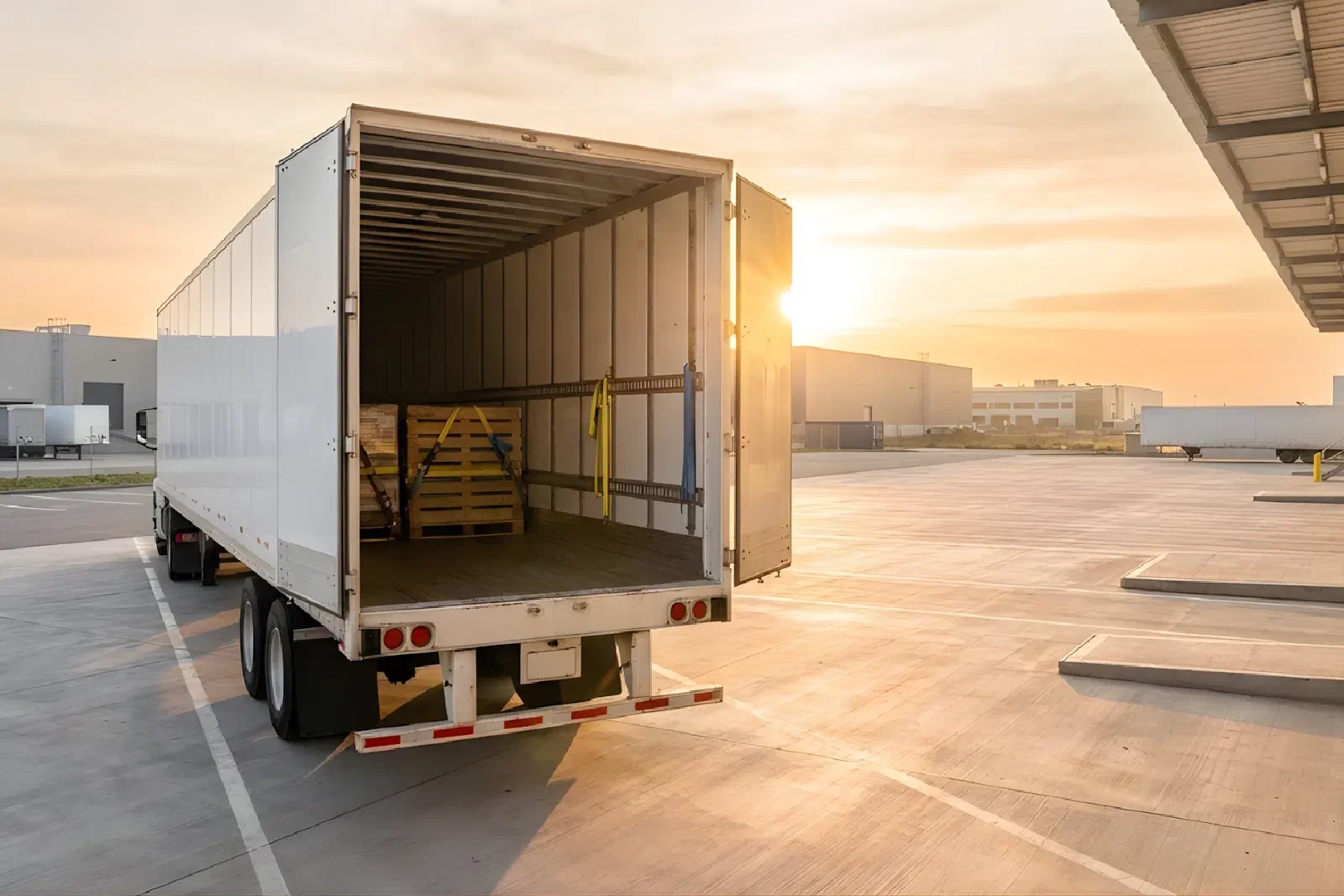
FTL stands for full truckload. In an FTL move, one shipper uses the trailer capacity for the shipment. That does not always mean the trailer is physically full, but it does mean the truck is dedicated to that move rather than being shared with multiple shipments.
FTL is often the better choice when:
- The freight is large enough to justify a dedicated trailer
- Transit speed matters
- Handling needs to be minimized
- Service consistency is important
- The shipment is high-value, fragile, or time-sensitive
Truckload service usually gives the shipper more direct movement and more control over how the freight is handled. That can make it especially valuable for recurring lanes, large replenishment moves, or shipments where delay is costly.
How should a shipper choose between LTL and FTL?
The first question is volume. If the shipment clearly needs a dedicated trailer, the decision is simple. But many shipments sit in the gray area where both modes are technically possible. In that situation, the shipper has to weigh tradeoffs.
Ask:
- How sensitive is the freight to handling?
- How urgent is the delivery?
- How much does service consistency matter?
- Is cost the top concern, or is operational risk the bigger issue?
- Would a dedicated trailer simplify the move enough to justify the added spend?
If the freight is small, durable, and relatively flexible on timing, LTL may be the right answer. If the freight is larger, more sensitive, or operationally important, FTL may be worth the added investment.
Cost is important, but it is not the only factor
Many shippers start with cost comparison, and that makes sense. LTL often looks more attractive when the load is small enough to share trailer space economically. But the lowest line-item rate is not always the lowest total operating cost.
If a shipment moves via LTL but arrives late, is handled too many times, or creates downstream service issues, the savings can disappear quickly. The same is true when freight should really move as truckload but is forced into an LTL structure because of price pressure.
The better question is not only “Which option is cheaper?” It is “Which option fits the business risk of this shipment?”
What about shipments that do not fit neatly into either option?
Some shipments fall between standard LTL and standard truckload. In those cases, a shipper may need help evaluating whether:
- LTL is still the best fit
- Dedicated truckload is the safer option
- Expedited support is necessary
- Specialized service such as temperature-controlled freight is involved
That is why mode selection should be treated as an operating decision, not just a pricing exercise. The right answer depends on the freight itself, the lane, and what a service failure would mean for the shipper.
Final takeaway
LTL is usually the better option for smaller palletized freight where cost efficiency matters and additional handling is acceptable. FTL is usually the better option when a shipment needs dedicated capacity, faster transit, reduced handling, or stronger service control.
If your team is comparing options lane by lane and wants guidance on how a specific shipment should move, HighQ Logistics can help. Start with a freight quote request or review our shipper services to see how different freight needs are supported.