Freight Basics: Services and Shipping Terms
Unfamiliar freight terms make it harder to compare services or explain what a shipment needs. Start with the basics: what each freight mode does, how the shipment is described, and who coordinates each handoff. These HighQ guides explain the terms in plain language and connect them with practical shipping decisions.
Find the explanation that matches your question
- Choosing outside support: What is a 3PL? and managed transportation explained clarify different scopes of logistics help.
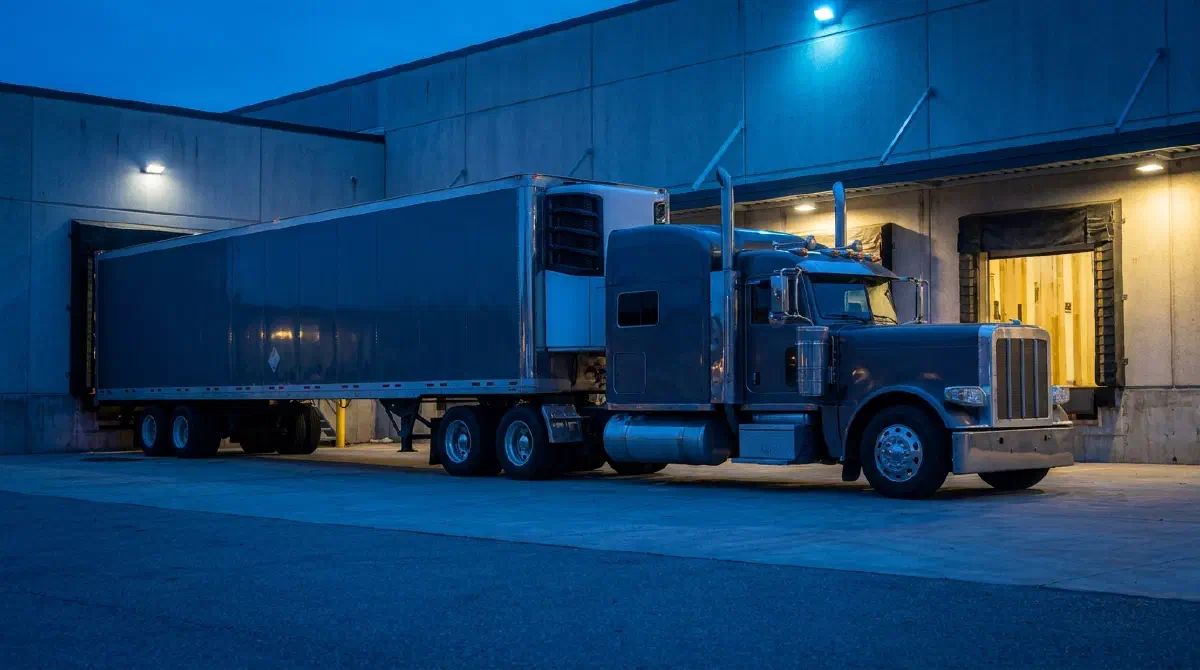
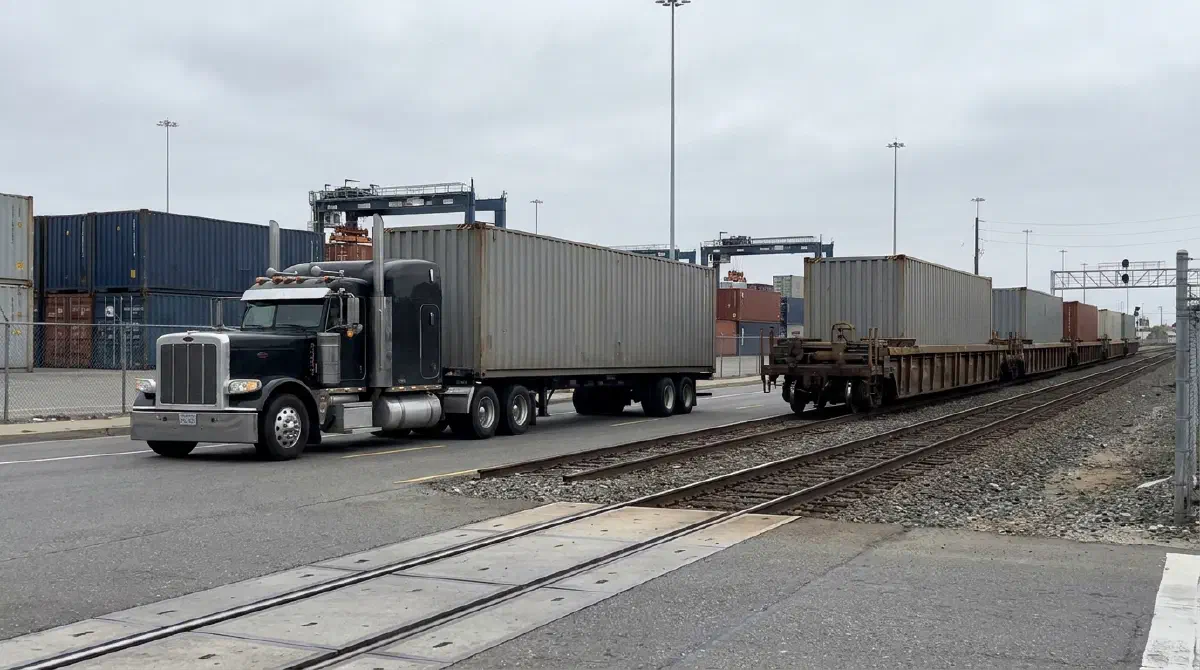
- Choosing a mode: LTL vs. FTL compares shared and dedicated capacity; intermodal shipping introduces truck-and-rail transportation.
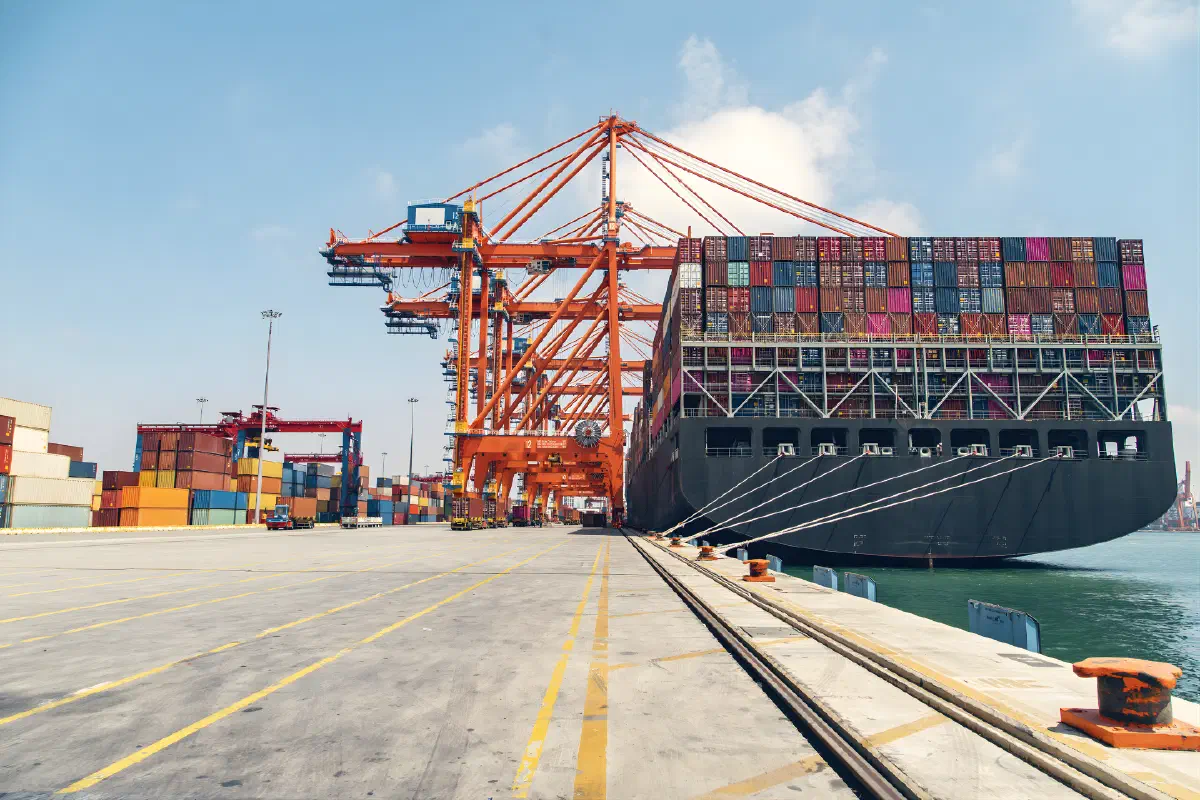
- Understanding the handoff: What is drayage? explains container trucking between terminals and nearby facilities.
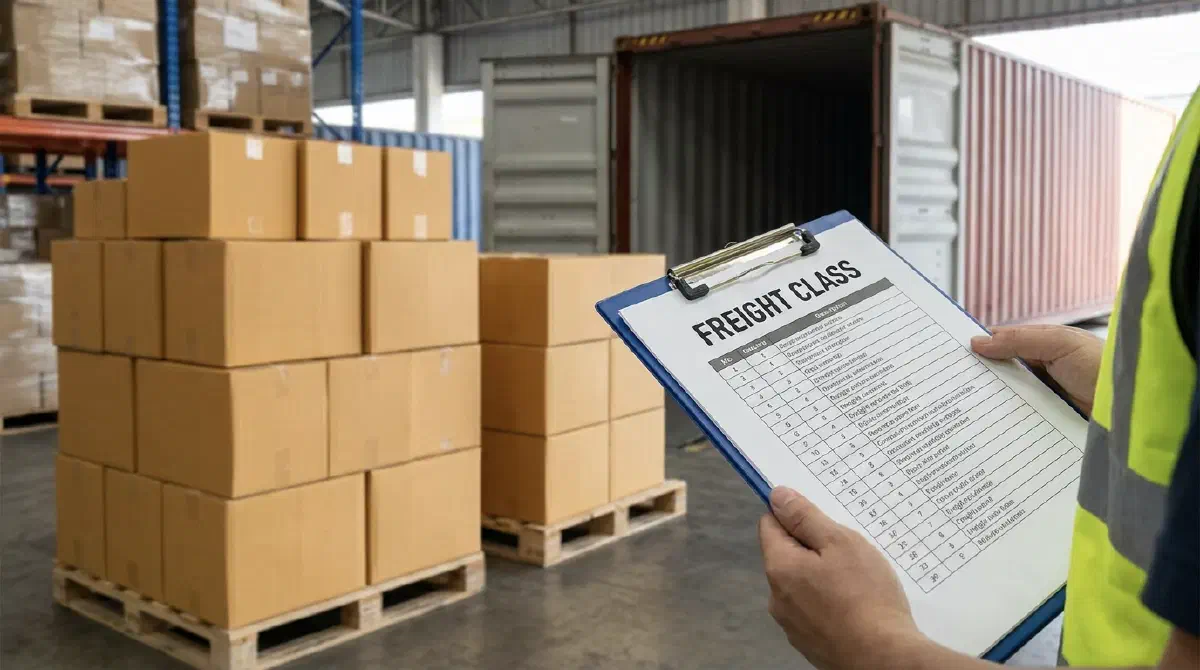
- Describing the freight: Freight class explained introduces a key part of an LTL shipment profile.
Turn the definition into a shipment requirement
After reading a guide, write down what your provider needs to know: commodity, packaged dimensions, weight, pickup and delivery windows, and any special handling. Those details make a quote request more useful than a service label alone.
Do I need to know every freight term before asking for help?
No. Describe what is moving and the constraints the shipment must meet. The right discussion should explain the available services and why they fit. The shipping modes topic can help you prepare that comparison.
Where can I compare HighQ’s freight services?
Use the shipper services directory for LTL, FTL, intermodal, drayage, and other service information. For a specific move, share the shipment details through the freight quote form.
Related collections: Freight Costs and Pricing · Shipping Strategy.
Articles in this collection
Read the related HighQ articles below. Publication dates provide context for market conditions discussed in each article.